





The Dream vs. The Downpour
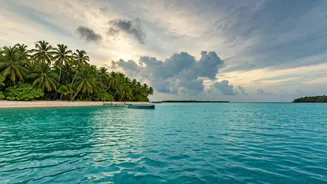
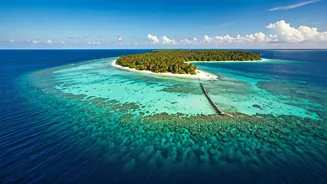
Imagine a remote archipelago of 36 islands, with shimmering white sands, breathtaking coral reefs, and water so clear you can see straight to the bottom. This is the promise of Lakshadweep, an Indian Union Territory off the coast of Kerala that has recently
captured the imagination of travelers worldwide. For Americans seeking an alternative to the Maldives or the Caribbean, it presents an unspoiled frontier. However, this tropical paradise operates on a strict schedule dictated by Mother Nature. From roughly late May through September, the Southwest Monsoon transforms the region. While the idea of a rainy-season getaway can sound romantic, in Lakshadweep it’s a force that redefines the entire travel experience, shutting down much of the infrastructure that makes a visit possible.
Understanding the Lakshadweep Monsoon
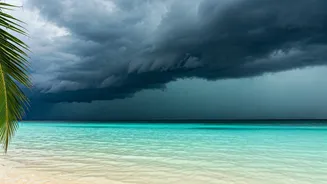
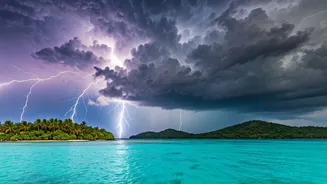
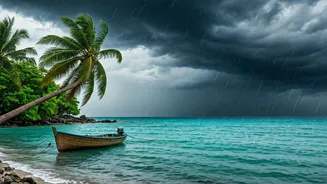
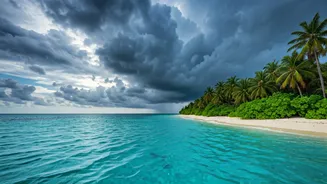
The monsoon in Lakshadweep isn’t just a few afternoon showers. It’s a period of intense, often relentless rainfall, high humidity, and powerful winds. The primary season runs from June to September, with shoulder months like May and October experiencing unpredictable transitions. The most significant impact is on the Arabian Sea, which becomes extremely rough and choppy. This isn't merely an inconvenience; it’s a fundamental disruption. The islands are connected by small passenger ferries and, for a select few, flights to the main airstrip on Agatti Island. During the peak monsoon, these sea and air links become unreliable at best and are frequently canceled for days or weeks at a time. Getting stranded isn't a remote possibility; it's a genuine risk.
What Really Closes Down?
The core appeal of Lakshadweep for most visitors lies in its aquatic activities: world-class scuba diving, snorkeling, kayaking, and glass-bottom boat tours. All of these are suspended during the monsoon. Rough seas and poor visibility make diving and snorkeling impossible and dangerous. Most private resorts and water sports operators on islands like Bangaram and Thinnakara close entirely. While some government-run accommodations on islands like Kavaratti might remain open for official or essential travel, they operate on a skeleton-staff basis with limited amenities. Essentially, the tourist-facing version of Lakshadweep goes into hibernation. Expecting to find the vibrant beach-centric activities you see in photos during this period will only lead to disappointment.
Smarter Planning: Your Monsoon-Proof Strategy
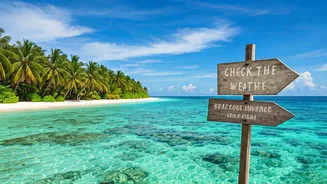
If your heart is set on Lakshadweep, “smarter planning” means shifting your expectations and timeline. The best strategy is to avoid the peak monsoon months (June-August) altogether. Instead, aim for the sweet spot: from October to mid-May. This period offers the calm seas, sunny skies, and operational infrastructure that define the classic Lakshadweep experience. If you must travel during the shoulder months (May or late September), build extreme flexibility into your itinerary. Book fully refundable flights and accommodations, and have a backup plan in mainland India in case your trip to the islands is canceled. For a monsoon trip, your packing list changes from swimsuits and sunscreen to rain gear, insect repellent, a good book, and a patient mindset. Your goal shifts from adventure to seclusion—enjoying the lush greenery and the dramatic, rain-swept seas from the comfort of your (hopefully operational) lodging.
The Non-Negotiable: Permits for Foreigners
Perhaps the most critical piece of planning for any American traveler, regardless of season, is securing the right permits. Foreign tourists cannot simply book a flight and show up. You must obtain a permit from the Lakshadweep administration. This process is typically handled through an authorized travel agent in India who books a complete tour package for you. Independent travel is generally not permitted for foreigners. The package usually includes accommodations, transport between islands, and the permit itself. During the monsoon, many agents won't even offer packages because of the logistical uncertainties. It is essential to confirm with your agent that all necessary permits are secured well in advance and to understand their policy on monsoon-related cancellations.