
Redefining 'High-End'
The concept of 'quiet luxury' has dominated fashion and travel, prioritizing understated quality over loud logos. Now, that same ethos is reshaping our homes. While high-end materials are still desirable, a growing number of Americans are defining luxury not
by what they can see, but by what they don’t have to do. The true prize is a frictionless existence—a home that actively works to give you back your most precious resource: time. This shift is a direct response to modern life, where burnout is common and daily schedules are packed. The ultimate luxury is no longer a kitchen that looks like it belongs in a magazine; it’s a kitchen that makes a hectic Tuesday morning feel effortless. It’s the absence of small, nagging inconveniences that, when added up, drain our mental and emotional energy. This new standard measures a home's value in minutes saved and decisions avoided.
Technology as the Silent Butler
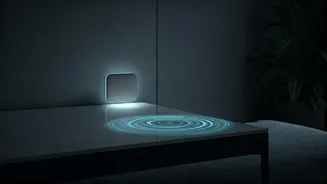
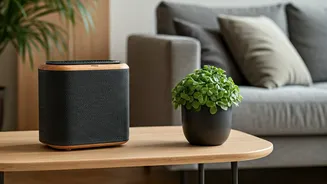
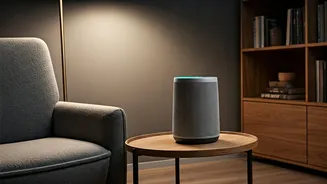
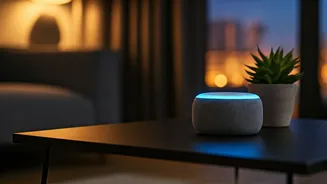
Nowhere is this trend more apparent than in the rise of integrated smart home technology. This isn't about the novelty of asking a speaker to tell you the weather. It’s about creating an environment that anticipates your needs. Think automated blinds that rise with the sun, allowing you to wake up naturally without touching a cord. Consider smart thermostats that learn your schedule, ensuring the temperature is perfect when you walk in the door, saving both energy and mental effort.
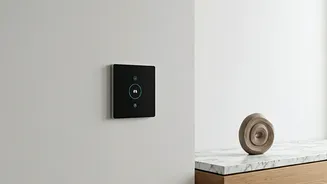
High-end systems can now integrate lighting, security, and entertainment into a single, seamless interface. A 'goodbye' button can turn off all the lights, lock the doors, and lower the thermostat as you leave. The goal isn't gadgetry for its own sake; it’s automation that eliminates a dozen tiny tasks from your daily checklist. A built-in coffee system that has your latte ready when you wake up isn't just a machine—it's 15 extra minutes of peace. This is technology not as a toy, but as a silent, efficient butler.
The Amenity of Not Worrying
Beyond personal tech, the very structure of where we live is being redesigned for convenience. In multifamily buildings, the amenity race has moved past the standard gym and pool. The most coveted features are those that solve modern logistical headaches. Secure, oversized package rooms are now essential for handling the deluge of online shopping. Some new developments even offer refrigerated storage for grocery deliveries, meaning you don't have to rush home when your order arrives.
These amenities extend the home's function, outsourcing life's tedious logistics. On-site dog walking services, dry-cleaning lockers, and dedicated ride-share pickup zones are no longer rare perks but key selling points. They acknowledge that a resident's life doesn't end at their front door. By building convenience into the foundation of a community, developers are selling a lifestyle of ease—a powerful promise in an increasingly complex world.
Location, Location, Liberation
Perhaps the most significant—and often most expensive—form of convenience is simply being in the right place. The 15-minute city concept, where daily necessities are a short walk or bike ride away, is the ultimate expression of this luxury. The ability to walk to the grocery store, a coffee shop, your child's school, or a park isn't just pleasant; it's a radical act of time reclamation. It eliminates the stress of traffic, the hunt for parking, and the dead time spent in a car.
For many, a smaller home in a highly walkable neighborhood is a better value proposition than a larger house in a remote suburb. This re-prioritization is changing real estate markets across the country, placing a premium on proximity. It frames location not just as a matter of geography, but as a fundamental tool for crafting a better, less hurried life.