


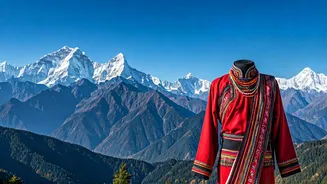


A City Wrapped in Clouds
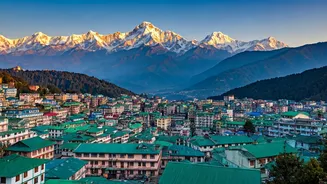
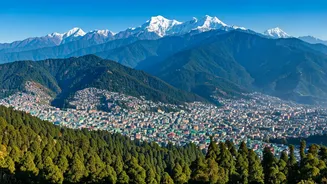
Getting to Gangtok, the capital of India’s northeastern state of Sikkim, feels like an ascent into another world. The roads wind ever upward, leaving the plains behind for a realm of terraced hillsides, plunging valleys, and air that grows crisp and clean.
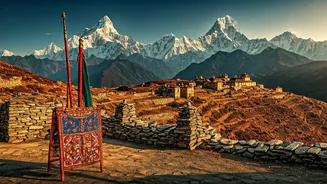
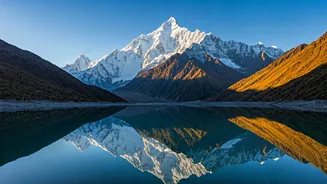
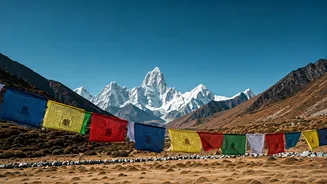
The city itself clings to a mountain ridge, a modern settlement deeply rooted in ancient traditions. For much of the year, it’s a place of quiet contemplation, where the sight of the snow-capped Kanchenjunga, the world's third-highest peak, commands a daily sense of awe. But during the Tibetan lunar month of Saga Dawa, which often falls in June, Gangtok transforms. The usual calm isn't shattered; instead, it’s layered with a vibrant, spiritual energy that draws you in.
The River of Saffron and Maroon
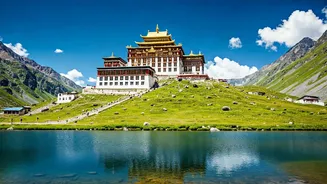
The centerpiece of the Saga Dawa festival is the procession. It's not a parade in the Western sense, but a flowing river of faith. From the Tsuklakhang Palace Monastery, a stream of monks in saffron and maroon robes emerges, their colors a startling slash against the greens and greys of the mountain landscape. They carry sacred texts—heavy, silk-wrapped scriptures known as the Kangyur—on their heads, a symbolic act of reverence. They are joined by hundreds of local devotees, young and old, dressed in their finest traditional attire. The air fills with the low hum of chanting and the rhythmic clang of cymbals. This is the “colour” of the festival in its most literal form: a slow, deliberate, and deeply moving spectacle of devotion winding through the city's main thoroughfares.
Dances of Gods and Demons
In the courtyards of Gangtok's famous monasteries, like Rumtek, another kind of colour explodes: the Chaam dances. These are no mere performances; they are sacred, masked rituals that tell the story of the triumph of good over evil. Dancers, who are specially trained monks, don elaborate, sometimes fearsome, masks depicting deities, demons, and animals. They move in slow, stylized steps to the resonant sounds of long horns, drums, and chanting. Watching a Chaam dance is a hypnotic experience. The intricate costumes, the exaggerated features of the masks, and the disciplined, powerful movements create a spectacle that feels both ancient and otherworldly. It's a vivid reminder of the rich mythology and complex philosophy that underpins Tibetan Buddhism.
The Whispers of Stillness
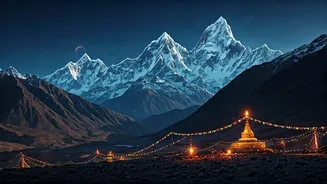
For all its vibrant pageantry, the true heart of the festival is its “calm.” Saga Dawa commemorates the birth, enlightenment, and passing of the Buddha, and the pervading mood is one of respectful remembrance. Away from the main procession, you find pockets of profound stillness. Devotees circle stupas, spinning prayer wheels that send blessings out into the mountain air. Inside the monasteries, the air is thick with the scent of juniper incense and the soft glow of hundreds of butter lamps, each one lit as an offering and a prayer. This is a time for accumulating merit, and acts of generosity are everywhere. People refrain from eating meat, and many make offerings to the monasteries or give alms to the needy. It's a collective, community-wide act of mindfulness that you can feel, even as a visitor.