
1. Matcha: The Calm, Caffeinated Ritual
Not long ago, matcha was a niche product you’d find in a specialty health food store, praised for its antioxidant properties. Today, it’s a full-blown cultural phenomenon. Starbucks sells it, local cafes offer it in a dozen forms, and its photogenic jade-green
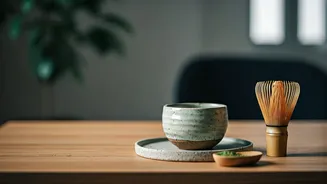
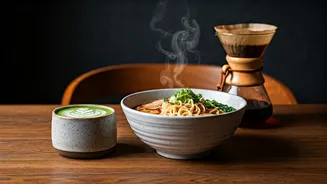
hue has made it an Instagram superstar. But the current “rave” isn’t just about a pretty drink; it’s about a shift in what we want from our caffeine. Unlike the jittery rush of an espresso shot, matcha contains L-theanine, an amino acid that promotes a feeling of “calm alertness.” This aligns perfectly with a generation grappling with burnout and seeking wellness in their daily routines. The trend also taps into a desire for authenticity and ritual. The traditional Japanese tea ceremony, with its specific tools and mindful preparation, has given matcha a backstory of craft and intention. Even if you’re just grabbing a quick latte, you’re participating in something that feels more deliberate and cultured than a standard cup of tea. It's a small dose of mindful luxury.
2. Noodles: From Instant Staple to Artisanal Star
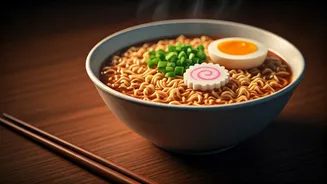
For decades, noodles in America largely meant two things: spaghetti or instant ramen. That era is definitively over. The new noodle rave is about craft, complexity, and regional specificity. Leading the charge is ramen. Cities across the country now boast ramen-yas where chefs obsess over the perfect broth—a process that can take days—and diners eagerly debate the merits of tonkotsu (pork bone) versus shio (salt-based). It’s an edible art form, and people are willing to wait in line for the best bowl. Beyond ramen, social media has fueled a fascination with the sheer craft of noodle-making itself. Mesmerizing videos of chefs hand-pulling lamian noodles have gone viral on TikTok and Instagram, turning a simple dough into a theatrical performance. This isn't just about eating; it’s about appreciating the skill, tradition, and labor behind the food. We’ve moved from viewing noodles as cheap fuel to celebrating them as a centerpiece of culinary expression, a journey into another culture served in a single, steaming bowl.
3. Coffee: The Third Wave Hits Home
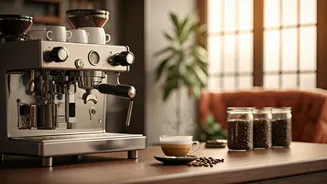
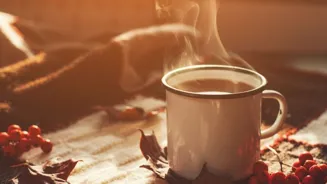
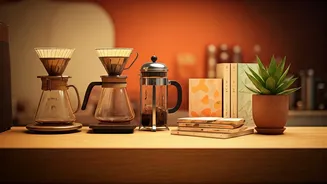
Coffee has been a daily staple for centuries, so how can it be a “new rave”? The answer lies in the so-called “third wave” of coffee culture finally going mainstream. The first wave was mass-market coffee (think Folgers). The second was the rise of cafe culture and espresso drinks (think Starbucks). This third wave treats coffee like wine, emphasizing origin, flavor notes, and brewing methods. It’s no longer just “dark roast” or “light roast.” It’s about tasting the fruity notes of a single-origin Ethiopian bean or the chocolatey finish of a Guatemalan one. The pandemic supercharged this trend, as millions of people, stuck at home, transformed their morning cup from a mindless habit into a deliberate ritual. They invested in grinders, pour-over drippers, and scales, turning their kitchens into mini-cafes. This movement is a rejection of coffee as a mere commodity. It’s about curiosity, process, and the simple pleasure of making and enjoying a genuinely exceptional cup. It’s a small, accessible way to engage in a craft and elevate a daily routine into a moment of sensory discovery.