




Build a Flavorful Scrap Stock
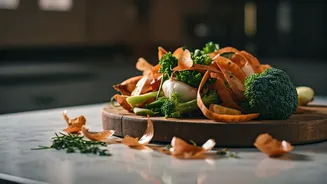
This is the classic, foundational move for any resourceful kitchen. Keep a large freezer-safe bag or container in your freezer labeled "Stock Scraps." Throughout the week, add clean vegetable trimmings: onion and shallot skins (they add beautiful color),
carrot peels and ends, celery butts and leaves, mushroom stems, and parsley stalks. Avoid brassicas like broccoli or cabbage, as they can make the stock bitter. Once the bag is full, simply empty it into a large pot, cover with water, add a bay leaf and some peppercorns, and simmer for at least an hour (or longer for a richer flavor). Strain it, and you have a free, deeply flavorful vegetable stock for soups, risottos, and sauces that beats anything from a carton.
Regrow Scallions and Leeks Endlessly
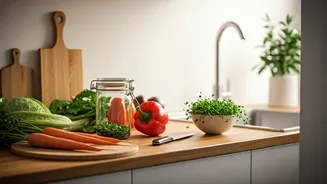
This trick is so simple it feels like magic. The next time you use scallions (or green onions), don't throw away the white root ends. Instead, place them in a small glass with just enough water to cover the roots. Set the glass on a sunny windowsill, change the water every couple of days, and within a week, you'll have a fresh set of green shoots ready to be snipped and used. This works for leeks and spring onions, too. It’s a rewarding, zero-cost way to have fresh garnishes on hand at all times, dramatically extending the life of a single bunch.
Turn Leafy Tops into Pesto
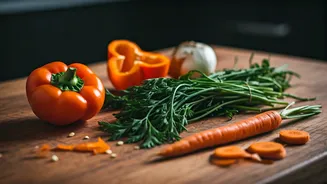
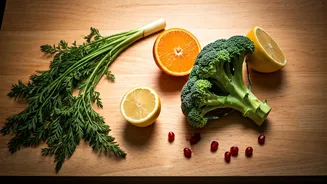
Those feathery green tops on your carrots and radishes are not only edible but also delicious. They have an earthy, slightly peppery flavor that makes for a fantastic pesto. Simply substitute them for basil in your favorite pesto recipe. Blend a few big handfuls of clean carrot or radish tops with garlic, pine nuts (or walnuts), Parmesan cheese, olive oil, and a squeeze of lemon juice. The result is a vibrant, nutrient-dense sauce that's perfect on pasta, spread on sandwiches, or swirled into roasted vegetables. It’s a brilliant way to use the entire vegetable while creating a gourmet condiment.
Roast Your Broccoli Stems
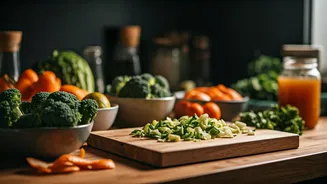
Many people discard broccoli and cauliflower stems, thinking they're too tough. But with a little prep, they become just as delicious as the florets. Peel the tough outer layer of the stalk with a vegetable peeler to reveal the tender, pale green core. From there, you can slice the stems into coins or sticks. Toss them with olive oil, salt, and pepper, and roast them at 400°F until tender and caramelized. They have a sweet, nutty flavor and a satisfyingly firm texture. You can also grate them raw into slaws or pickle them for a crunchy, tangy snack.
Infuse Flavor with Citrus Peels
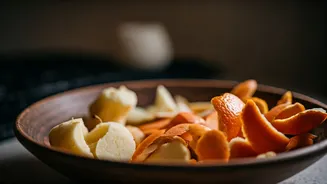
Before you squeeze a lemon, lime, or orange, use a vegetable peeler or microplane to remove the zest. Be sure to only get the colored part, not the bitter white pith beneath. These peels are packed with aromatic oils. You can dry them to make citrus powder for seasoning, or drop them into a bottle of olive oil or vinegar for a custom infusion. Another popular use is making oleo-saccharum, a classic cocktail ingredient: just muddle the peels with sugar and let them sit for a few hours. The sugar will pull out the oils, creating a intensely fragrant citrus syrup perfect for drinks or drizzling over dessert.
Make Snacks from Potato Skins
When making mashed potatoes, don't throw the peels in the compost just yet. If you've scrubbed your potatoes well, the skins can be turned into a crispy, addictive snack. Toss them with a little olive oil, salt, smoked paprika, or any other spices you like. Spread them in a single layer on a baking sheet and roast at 400°F for about 15-20 minutes, or until golden and crunchy. They taste like a gourmet, ultra-crispy potato chip. It's a simple, delicious way to honor the humble potato and eliminate waste.