





Beyond the Neon-Soaked Stereotype
For years, the pitch for visiting South Korea, particularly Seoul, was built on an exhilarating sense of perpetual motion. It was a city of endless shopping, sizzling barbecue available at 3 a.m., and a pop culture engine that never slept. The ideal itinerary
involved packing every moment with activity, from palace-hopping by day to diving into the vibrant nightlife of Hongdae or Gangnam after dark. The goal was to see, do, and consume as much as possible. But a subtle and powerful counter-movement is reshaping the country’s travel identity. Responding to a global yearning for slower, more meaningful experiences—and a domestic culture grappling with the pressures of its famous “ppalli-ppalli” (hurry, hurry) mindset—Korea is now marketing tranquility. The new luxury isn't a frantic schedule; it's the permission to do very little. This shift invites visitors to experience the country not as a whirlwind of sights, but as a place for genuine restoration.
The Cultural Roots of Calm
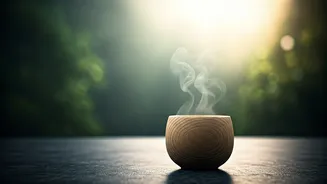
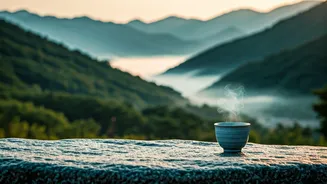
This trend isn't just a marketing gimmick; it’s deeply rooted in Korean cultural concepts that are gaining mainstream prominence. Central to this is “meong” (멍), the art of spacing out. Hitting “meong” is the act of staring blankly into space, letting your mind go gloriously empty. It’s a deliberate rebellion against the constant stimulation of modern life. You might see people practicing it by a river, in a quiet cafe, or even at organized “spacing out” competitions. Related to this is the idea of “healing” (힐링). In the Korean context, “healing” is a broad term for any activity that provides mental and emotional relief from the stresses of daily life. It could be a walk in the forest, a quiet cup of tea, or a stay in the mountains. By embracing quiet mornings, the Korean travel industry is tapping into this deep-seated desire for a psychic reset, offering tourists a chance to participate in a cultural practice that locals themselves are increasingly valuing.
What a Quiet Morning Looks Like
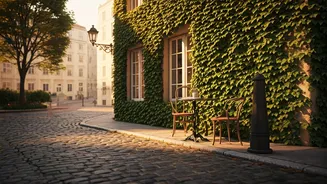
So what does this look like for a traveler? It can be as structured or as spontaneous as you wish. The classic example is a temple stay, where visitors live alongside monks for a day or two. Mornings begin before dawn with quiet meditation, followed by a simple vegetarian breakfast and contemplative chores. It’s an immersive experience in mindfulness, far from the noise of the city. But you don’t need to commit to a monastic lifestyle. It can be as simple as waking early to wander through the quiet alleys of Seoul’s Bukchon Hanok Village before the tour buses arrive, watching the morning light hit the traditional tiled roofs. It could be visiting a traditional tea house in Insadong, where the ritual of preparing and pouring tea becomes a form of meditation. Or it might mean finding a cafe with a view of the Han River, ordering a coffee, and simply practicing the art of “meong” for an hour as the city slowly wakes up around you.
A Nationwide State of Mind
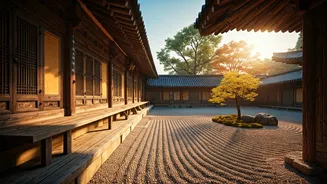
While Seoul offers pockets of peace, the quiet morning philosophy extends across the country. On the volcanic island of Jeju, known as Korea’s wellness retreat, travelers hike the “oreum” (volcanic cones) at sunrise or walk the serene coastal paths. In cities like Gyeongju, the ancient capital of the Silla Dynasty, the landscape is dotted with grassy royal tombs that inspire a sense of timeless calm. You can stay in a beautifully restored “hanok” (traditional Korean house) where the day is structured around the sounds of nature rather than traffic. This approach encourages visitors to see the country through a new lens. It’s a move away from ticking off a checklist of landmarks and toward appreciating the atmosphere and pace of a place. It suggests that the true essence of Korea might not be found in its loudest moments, but in its quietest.