
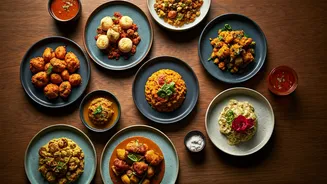
Beyond the Curry House Playbook
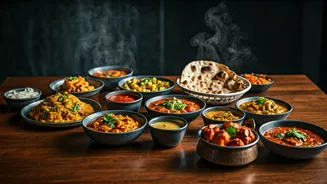
For many Americans, the experience of “Indian food” has long been a monolith. It was largely defined by a handful of North Indian, Punjabi-style dishes that were palatable, predictable, and, crucially, toned down for a Western audience. Restaurants often
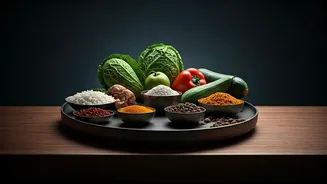
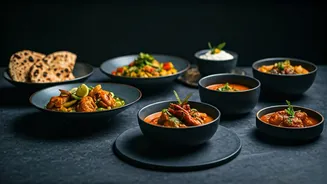
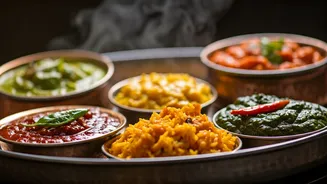
relied on a familiar playbook: a deep-fried samosa appetizer, a creamy main course like saag paneer or butter chicken, and a mango lassi to wash it all down. While delicious, this template flattened the staggering diversity of South Asian cuisine, a subcontinent with dozens of distinct regional food cultures, each with its own unique spices, ingredients, and cooking methods. This first wave of restaurants served an essential purpose. It was a foothold, an introduction for a country largely unfamiliar with the complexities of Desi flavors. These restaurateurs, many of them first-generation immigrants, created a successful business model by offering a safe and consistent entry point. But in doing so, they often had to compromise, sanding down the spiky, pungent, and funky notes that define so much of the subcontinent’s cooking. The food became an ambassador, but a polite, diplomatic one that rarely spoke in its native tongue.
The Unapologetic Generation
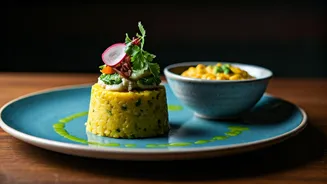
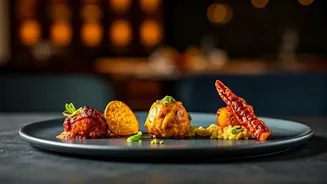
The “comeback” isn’t a return of something that left; it’s the confident arrival of what was always there, just waiting for its moment. A new generation of chefs, many of them second-generation South Asian Americans or immigrants with a new vision, are leading the charge. They are unapologetically themselves, and so is their food. Take, for instance, the explosive popularity of restaurants like Dhamaka in New York City. Chef and partner Chintan Pandya built a menu around what he calls “the other side of India”—provincial, lesser-known dishes that sizzle with personality. You won’t find chicken tikka masala here. Instead, you’ll find Gurda Kapoora (goat kidney and testicles), Champaran Mutton, and other dishes that prioritize authentic, high-impact flavor over familiarity. Similarly, restaurants like Semma focus on the distinct cuisine of Southern India, earning Michelin stars for dishes that celebrate heritage ingredients and regional specificity. This isn’t about fusion; it’s about focus. It’s a declaration that the food of a specific village in Rajasthan or a coastal town in Tamil Nadu is worthy of a spotlight, on its own terms.
Why Now? Culture, Confidence, and Cravings
This culinary movement didn't happen in a vacuum. It’s the product of a perfect storm of cultural shifts. Firstly, there’s a growing confidence among the South Asian diaspora in America. Younger generations, more integrated into American life but fiercely proud of their heritage, are less willing to accept a diluted version of their culture. They want the food their grandmothers made, not the Anglicized version from a strip-mall buffet. Secondly, the American palate has evolved. Decades of food television, travel shows, and the internet have created a more adventurous diner. The same person who seeks out authentic Sichuan peppercorns or knows the difference between various regional Mexican moles is now ready—and eager—to explore the difference between Bengali and Goan food. Social media has become a powerful educational tool, with chefs and food writers like Priya Krishna (author of *Indian-ish*) using platforms like Instagram to demystify ingredients and celebrate home cooking in a way that feels modern and accessible. Finally, the chefs themselves are storytellers. They aren't just serving dinner; they're curating an experience that is deeply personal and educational. They are connecting their family histories and travels to the plates they serve, inviting diners into a conversation about identity, place, and flavor.
What 'Smart' Really Looks Like
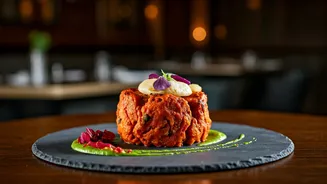
The “smart” in this comeback refers to the intelligence and intentionality behind the movement. It’s smart business to tap into the demand for authenticity. It’s smart cooking that respects tradition while using modern techniques and high-quality sourcing. But most of all, it’s smart storytelling. These new restaurants are designed to be immersive. The menus often come with explanations of a dish’s origin. The decor might evoke a specific region without resorting to clichés. The service staff is trained to be an guide, helping diners navigate unfamiliar flavors and textures. It’s a holistic approach that understands that a meal is more than just sustenance; it’s a cultural exchange. This savvy approach elevates the cuisine from a cheap eat to a dining destination, reframing it as a vital and dynamic part of America’s culinary landscape, worthy of the same respect and excitement as French, Italian, or Japanese food.