



First, Let’s Decode the Headline
Unless you’re a frequent traveler to India, the acronym “NCR” probably doesn’t mean much to you. It stands for the National Capital Region, a sprawling urban area centered on New Delhi. Think of it as India’s equivalent to the D.C. metro area or Greater
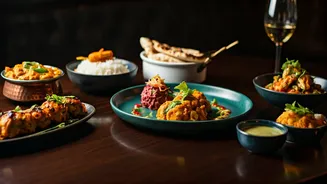
London—a massive, multicultural hub of politics, business, and, most importantly for our purposes, food. For decades, the restaurant scene in the NCR was dominated by rich, hearty North Indian classics like butter chicken and creamy paneer dishes. But a culinary shift is underway. Diners, especially younger, globally-connected ones, are looking for something different: food that’s lighter, more regional, and incredibly photogenic. That’s where “tropical veg plates” come in.
So, What Are Tropical Veg Plates?
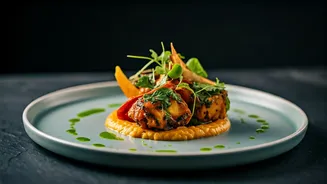
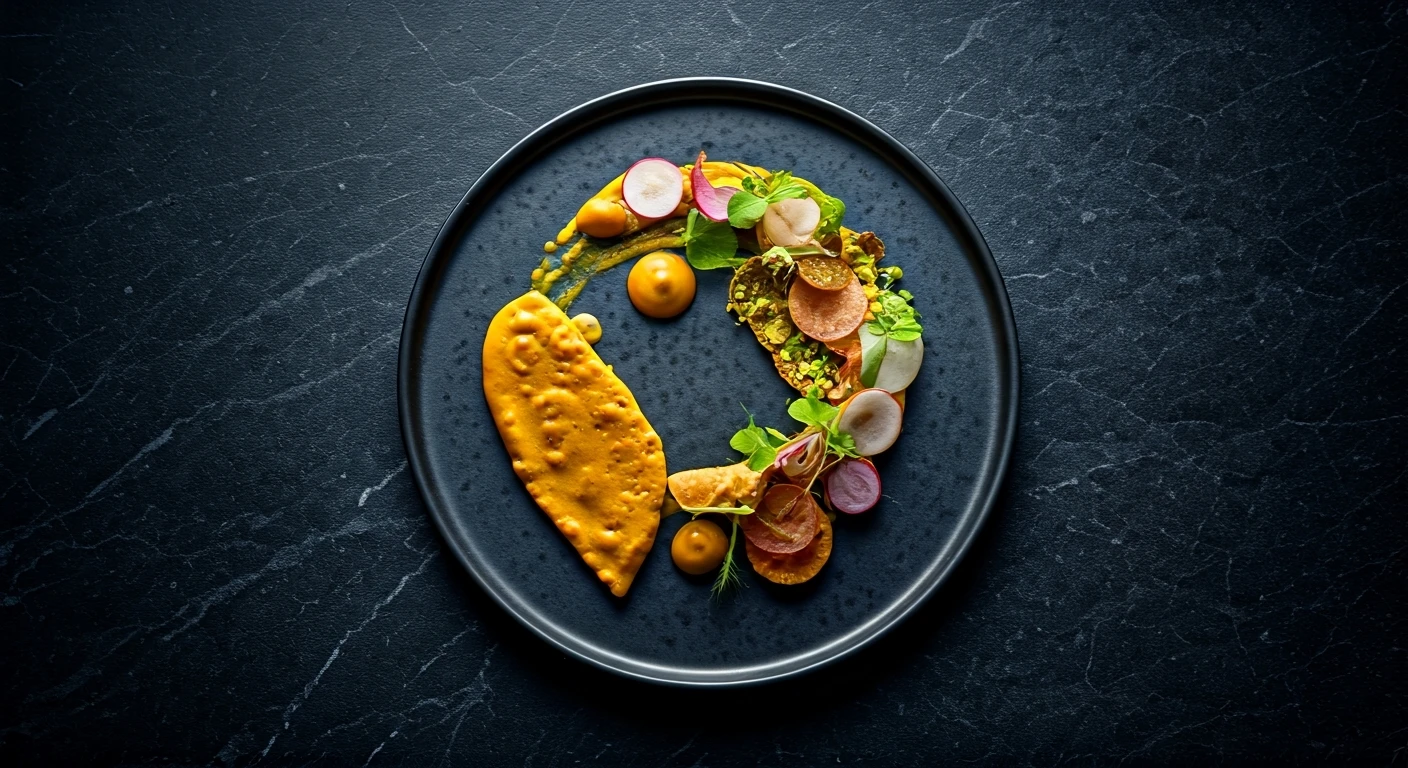
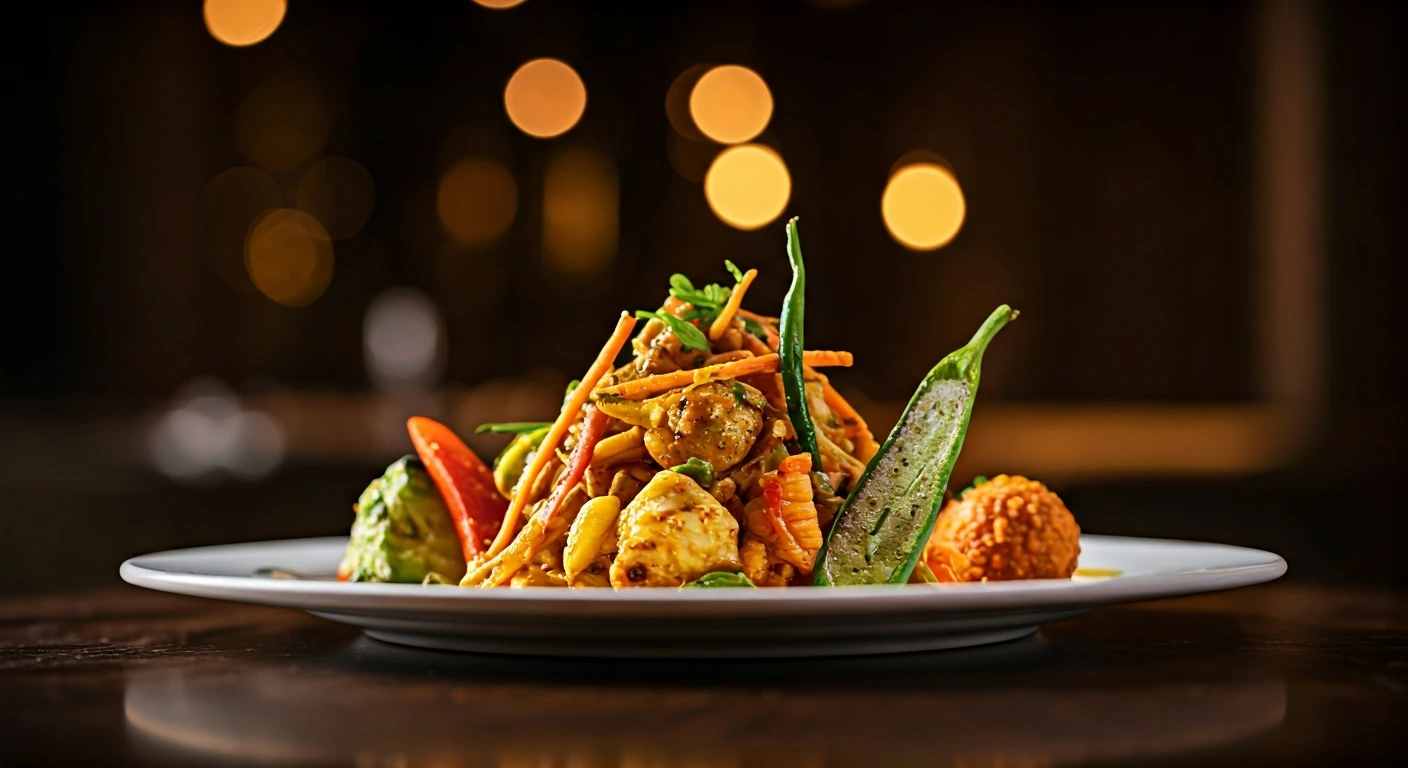
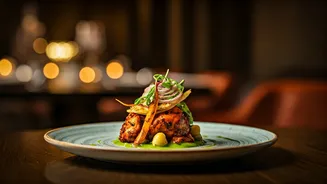
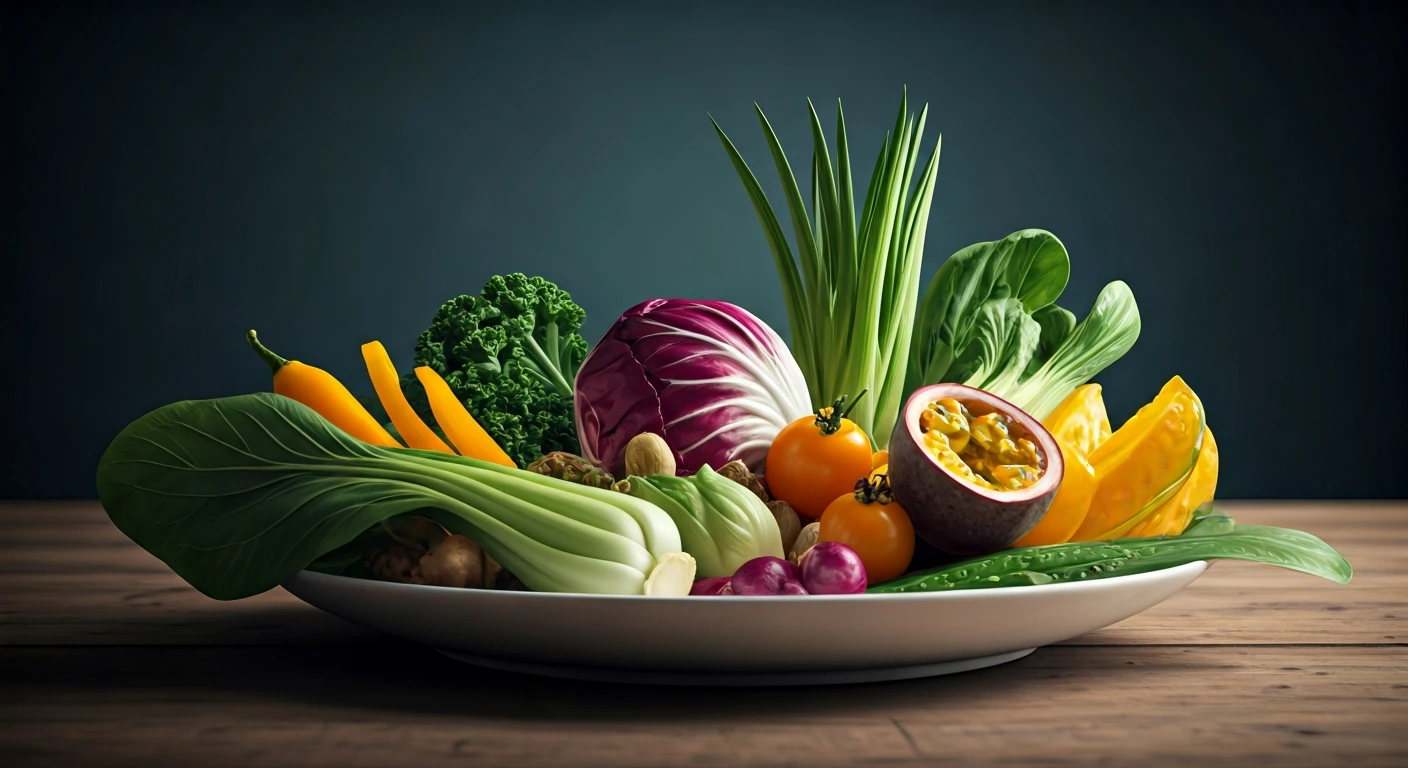
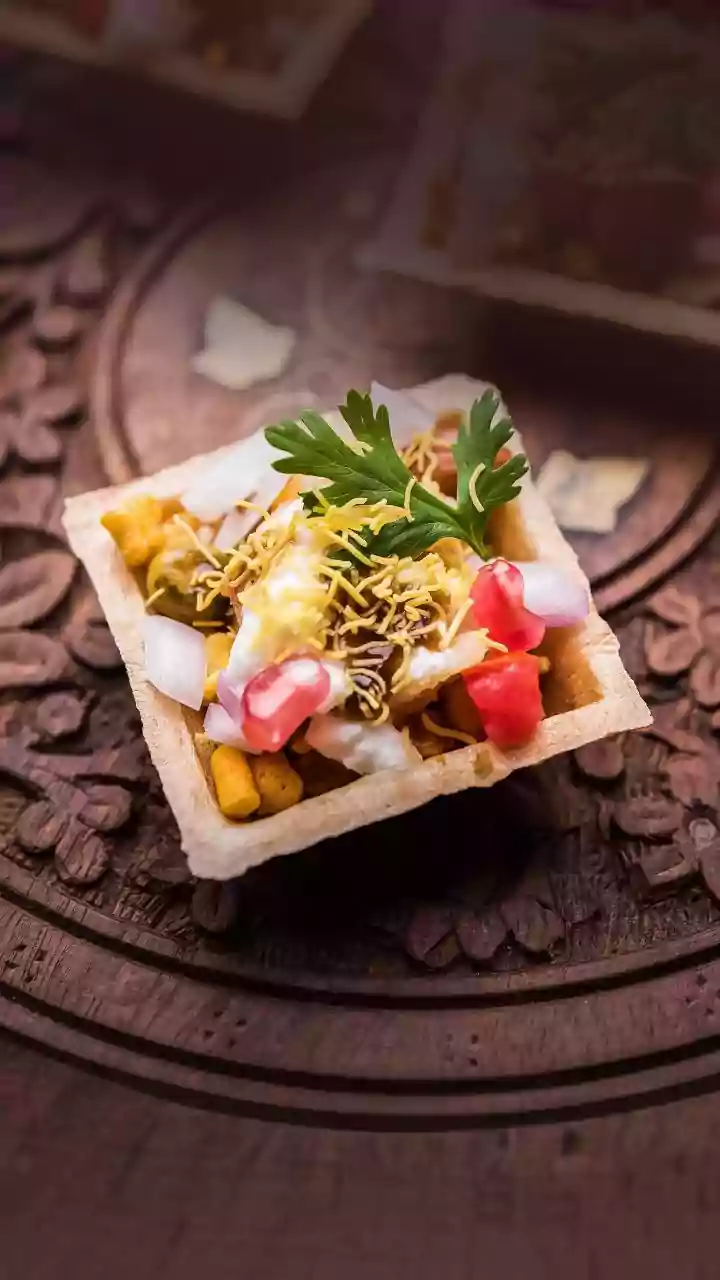
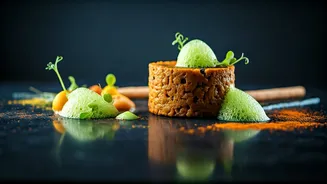
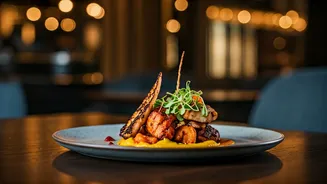
This isn’t one specific dish, but a whole vibe. Picture plates bursting with color and texture, built around ingredients from India’s coastal and southern regions. We’re talking about tender jackfruit used as a meat substitute, creamy curries made with coconut milk instead of heavy cream, and tangy salads featuring raw mango. Dishes might showcase ingredients once considered humble, like banana flowers or yam, but prepared with modern techniques and plated like works of art. These plates pull from the rich traditions of states like Kerala, Goa, and West Bengal, where coconuts, rice, and a huge variety of vegetables and spices are staples. Chefs are reinterpreting and deconstructing classic recipes, creating something that feels both authentically Indian and surprisingly new. It’s plant-based eating that isn’t about imitation meat, but about celebrating the incredible diversity of vegetables themselves.
The All-Important ‘FOMO’ Factor
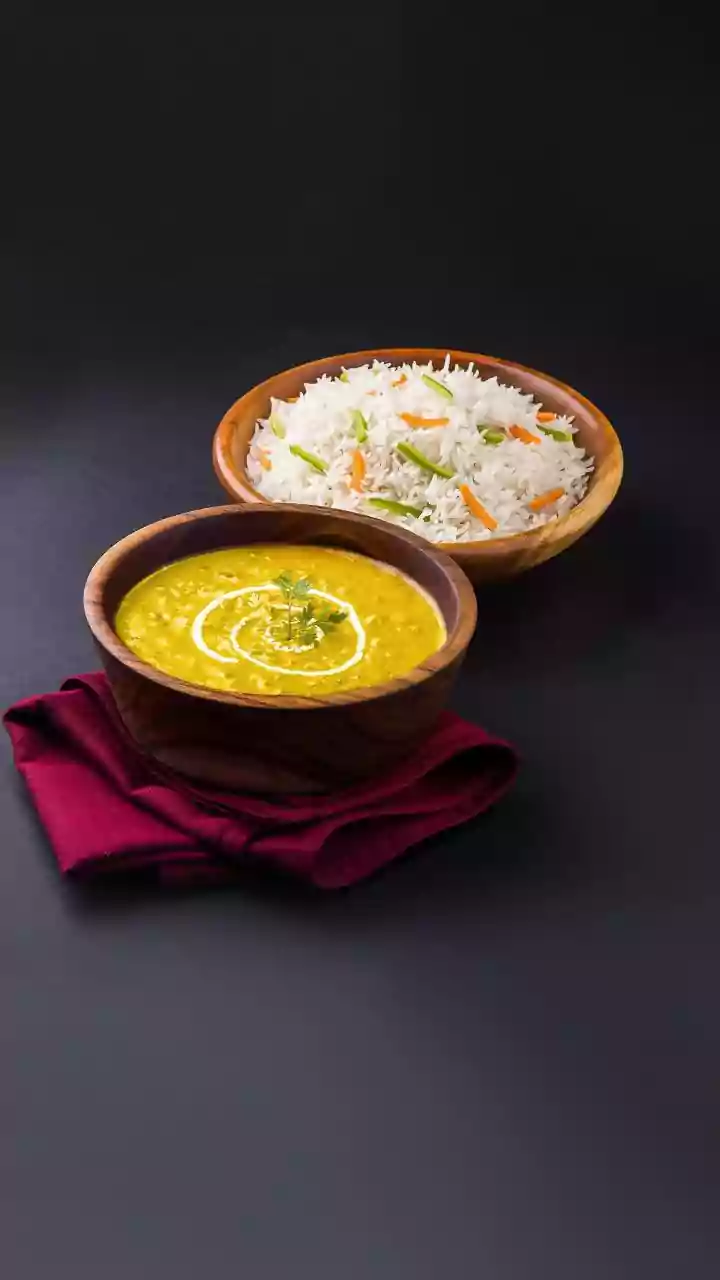
Why the “fear of missing out”? Because this trend is tailor-made for the Instagram age. These aren’t brown, homestyle stews; they are vibrant, intricately arranged compositions. A bright pink beet-infused dosa, a brilliant yellow curry dotted with green herbs, a black rice dish topped with edible flowers—they’re designed to be seen. In a competitive dining market like the NCR, a dish that pops on a social media feed is a dish that gets people in the door. But the FOMO runs deeper than just aesthetics. It’s also about a cultural shift. There’s a growing pride in regional Indian identity and a move away from a one-size-fits-all idea of “Indian food.” Eating these dishes is a way of participating in a conversation about heritage, health, and modernity. It feels like being part of a movement, and in a city of millions, being “in the know” is a powerful social currency.
Why This Trend Matters in the U.S.
A food trend in New Delhi might seem distant, but it’s a mirror of what’s happening right here at home. Think about how American diners have moved beyond generic “Italian food” to demand hyper-regional dishes from Sicily or Rome. Or how we’ve graduated from one-note Tex-Mex to exploring the specific cuisines of Oaxaca or the Yucatán Peninsula. This same search for authenticity and novelty is driving the tropical veg trend in India. It’s part of a global pattern: diners everywhere are more adventurous and better informed, thanks to travel and social media. We want food with a story. We’re also increasingly interested in sophisticated, exciting plant-based options that don’t just feel like a consolation prize for vegetarians. The creativity on display in the NCR is a preview of the kind of innovative, vegetable-forward global cuisine that’s likely to become more common in American cities, too.