








The Tyranny of the Blue Sky
For years, the gold standard of a successful vacation was a photo album (or Instagram grid) filled with brilliant, cloudless skies. It was a visual shorthand for perfection, a sign that you had chosen the right destination at the right time. But this
relentless pursuit of sunshine created an unspoken pressure. A single gray day could feel like a personal failure, a waste of precious PTO. This aesthetic, however, is starting to feel a bit dated, a little too clean, a little too… basic. In an era that’s increasingly skeptical of curated perfection, the moody, atmospheric vibe of an overcast day offers a more authentic, interesting alternative. It suggests you’re there for the place itself—the culture, the food, the feeling—not just for the generic backdrop of a sunny day that could be anywhere.
It's Just Better for Photos
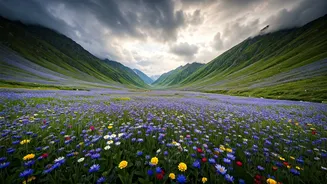
Here's a little secret every professional photographer knows: bright, direct sunlight is actually terrible for most photos. It creates harsh shadows, makes people squint, and blows out highlights, washing out color and detail. An overcast sky, on the other hand, is nature’s perfect softbox. It diffuses sunlight evenly, creating a gentle, flattering glow that makes colors pop and textures appear richer. Suddenly, the deep greens of a forest, the vibrant paint of a historic building, or the subtle tones of a city street are revealed in all their glory. Your photos look less like a generic travel ad and more like a frame from an indie film. It’s the difference between a flat, high-contrast snapshot and a portrait with depth and mood. Flexing a collection of beautifully lit, dramatic photos from your trip to Scotland in November? That’s a skill, a choice. A picture of a Mai Tai on a sunny beach? Anyone can do that.
The Vibe Shift to Cozy and Contemplative
A week of unrelenting sunshine brings with it a certain anxiety. You feel compelled to be outside *doing something* every second of every day. Lazing in a park, hiking a trail, sitting on a patio—anything to “take advantage” of the weather. But cloudy days grant you permission to slow down. They invite you to duck into a quiet, wood-paneled pub for a pint, spend three guilt-free hours exploring a museum, or settle into a bookstore cafe with a novel and a warm drink. This is where the real texture of a place lives. Sunny days are for seeing the sights; cloudy days are for feeling the soul of a city. It’s a shift from frantic tourism to immersive travel, where the goal isn't to check off a list but to simply exist in a new environment.
Dodging the Crowds
The hordes of tourists chasing the sun are predictable. They flock to the same places during the same peak summer months. But the traveler who isn't afraid of a little cloud cover unlocks the magic of the shoulder season. Think of visiting Paris in October, the Pacific Northwest in April, or the coast of Maine in September. The crowds have thinned, the prices have dropped, and the experience feels infinitely more personal. You're not fighting for a spot to take a photo or waiting in a two-hour line for a famous landmark. Instead, you're sharing the city with locals. This is the ultimate insider move. It signals that you’re a savvy traveler who knows the real best time to visit isn’t when the weather is “perfect,” but when the destination is most itself.
Nature in High Definition
While beaches might lose some appeal under a gray sky, many of the world’s most stunning landscapes come alive. Think of the mist hanging low in the Redwood forests, making the giant trees feel even more ancient and mysterious. Imagine the dramatic clouds breaking over the Scottish Highlands or the moody, churning sea against the Oregon coast. Overcast light enhances the drama of the natural world. It strips away the cheerful glare of the sun and reveals something more primal and powerful. A hike in the mountains on a cloudy day isn’t just a walk; it’s an atmospheric journey that makes you feel small in the face of nature’s grandeur. That feeling—of awe, of mood, of drama—is a far more potent travel memory than another sunburn.