






From Ruined Day to Main Event
For the checklist-driven tourist, a week of rain during a long-awaited vacation feels like a disaster. Beach days are washed out, mountain treks become muddy slogs, and ancient ruins are viewed through a miserable, dripping poncho. The default response
is to retreat to the hotel room, scrolling through a phone and waiting for the sun, feeling cheated by the weather. But in many parts of the world, from the deserts of Arizona to the coasts of Kerala, the monsoon isn't an inconvenience; it's a season of renewal, celebration, and profound cultural significance. It’s when the world changes color, from dusty brown to impossible green. It's a collective sigh of relief after months of blistering heat. A local host doesn’t see the rain as a problem to be solved but as an event to be shared. They provide the key to unlock this perspective, transforming the weather from the enemy of your itinerary into its main character.
The Sensory Language of the Rain
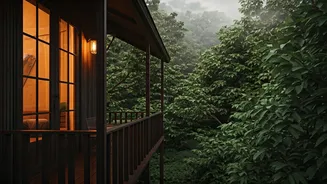
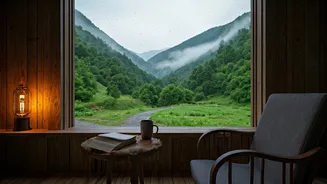
What does a monsoon trip with a local actually feel like? It’s sensory and specific. In India, it might mean your host insisting you try a plate of hot, crispy pakoras and a cup of milky chai, the unofficial uniform of a rainy afternoon. They’ll point out the window not at the downpour, but at the suddenly joyous peacocks dancing in the garden. In Southeast Asia, it could be learning that the thunderous afternoon storm is the perfect time for a nap, a cultural rhythm you’d never discover in a sterile hotel. Your host knows which street food vendors make the best noodle soup, a dish that tastes infinitely better when you’re huddled under a tin roof, listening to the rain drum overhead.
In the American Southwest, a local guide won’t cancel a hike but will instead take you to a normally dry arroyo, explaining how to watch safely as the flash floods reshape the landscape in minutes. You’ll learn the smell of creosote bush after a downpour—the signature perfume of the desert rain. These aren’t experiences you can find in a guidebook; they are lived, shared, and offered organically by someone whose life is intertwined with the season.
Finding Your Guide to the Gray Season
Accessing this level of authenticity is easier than you might think. It’s less about which booking platform you use and more about the type of accommodation you choose. Opt for a homestay or a family-run guesthouse over a large, impersonal resort. These smaller operations are often managed by people who are deeply embedded in their community and eager to share their culture.
When browsing listings on sites like Airbnb, Booking.com, or dedicated homestay networks, pay close attention to the reviews. Look for comments that mention the host’s hospitality, their local tips, or shared meals. Phrases like “showed us the real city” or “made us feel like family” are green flags. Don’t be afraid to message a potential host before booking. Ask them what they love about their hometown during the rainy season. Their answer will tell you everything you need to know about the kind of experience you can expect.
An Itinerary Written by the Weather
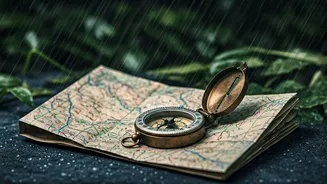
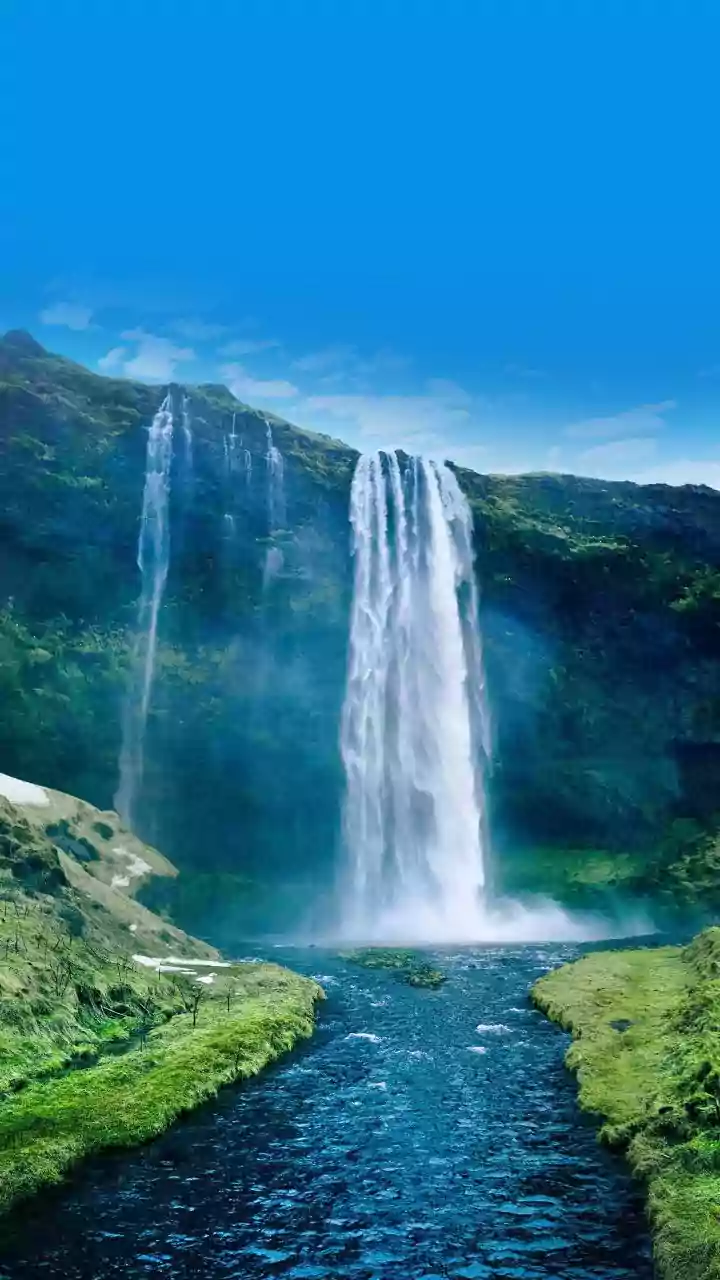
Perhaps the biggest gift a local host provides is a lesson in letting go. A successful monsoon trip requires abandoning the rigid, minute-by-minute schedule. Instead of a fixed plan, you operate on a flexible one, co-written by your host and the sky. A morning downpour might lead to an impromptu cooking lesson indoors. A break in the clouds could mean a spontaneous trip to a waterfall that only exists for a few weeks a year. Your host becomes your weather interpreter, guiding you toward the best activity for the moment.
This approach fosters a deeper connection to your destination. You learn to read the clouds, to appreciate the quiet moments, and to find beauty not just in the sun-drenched postcard vistas but in the moody, atmospheric landscapes of a world washed clean. You stop fighting the environment and start moving with it, a lesson that feels more profound than any museum visit.