






From Marble Lobbies to Mossy Trails
The traditional hallmarks of a five-star experience—attentive butlers, sprawling suites, and Michelin-starred dining rooms—are being challenged by a different set of values. Today’s discerning traveler, often weary from a hyper-connected, overstimulated
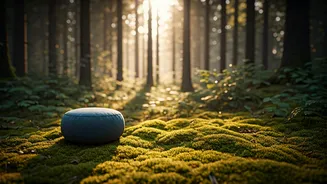
daily life, is seeking something far more elemental: silence, space, and solitude. The ultimate luxury is no longer about being seen in the right place, but about disappearing into the right one. This shift redefines luxury from material excess to experiential richness. It prioritizes psychological well-being over social status. Instead of a concierge who can book impossible theater tickets, the new premium is a perfectly isolated cabin where the only interruption is the sound of wind in the pines. The focus has moved from external validation (what you can post) to internal restoration (how you actually feel).
Unplugging as the Ultimate Amenity
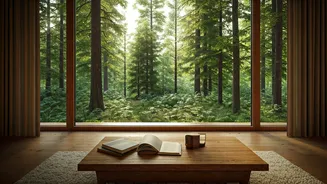
What’s driving this migration to the woods? In a word: burnout. The modern condition is a state of perpetual digital tethering. Emails ping at midnight, social media feeds offer an endless scroll of comparison, and the pressure to be constantly available is immense. In this context, the most valuable amenity a destination can offer is the permission to disconnect. Many high-end forest stays are explicitly designed to facilitate this. They offer lockboxes for your phone, replace televisions with massive picture windows, and swap spotty Wi-Fi for well-marked hiking trails. This isn’t a luddite fantasy; it’s a calculated response to a growing cultural need. Peace and quiet have become scarce commodities, and like any scarce resource, they now command a premium price. People are willing to pay for a curated environment that forces them to unplug, unwind, and reconnect with themselves and the natural world.
More Than Just a Fancy Cabin
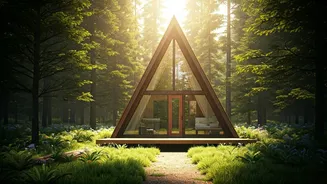
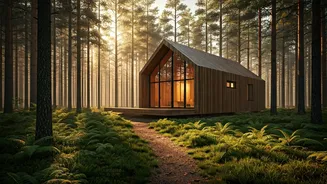
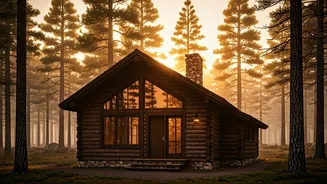
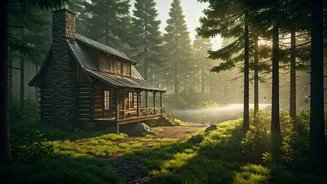
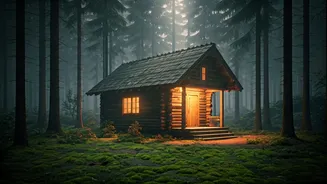
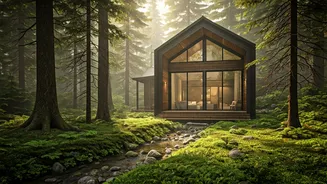
To be clear, this isn’t your grandfather’s camping trip. A “forest stay” is not about roughing it. It’s a highly curated, design-forward experience that blends rustic aesthetics with modern comfort. Think of it as the intersection of a boutique hotel and a wilderness retreat. These spaces, from brands like Getaway and AutoCamp to bespoke architectural cabins, offer a consistent promise: immersion in nature without sacrificing comfort. Common features include minimalist Scandinavian interiors, floor-to-ceiling windows that frame the landscape like a living painting, plush queen beds with high-thread-count linens, and kitchenettes stocked with everything you need for a simple, elegant meal. Outside, you’ll often find a private fire pit, Adirondack chairs, and a sense of total seclusion, even if another cabin is just out of sight. It’s the fantasy of a remote cabin, delivered with the reliability of a hotel.
Designed to Look Out, Not In
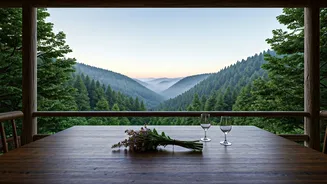
The architectural philosophy behind these stays is a core part of their appeal. It’s often rooted in biophilic design—the idea that humans have an innate need to connect with nature. The buildings themselves are often modest in size, with a small footprint designed to minimize environmental impact and maximize the sense of being enveloped by the outdoors. The goal is to make the structure disappear, serving as a comfortable vessel from which to experience the world outside. The interior design is intentionally sparse, drawing your eye outward. The luxury is not in the decor but in the view. You are not meant to admire the room; you are meant to sit in the room and admire the forest, the stars, or the morning fog rolling through the valley.