






The Quest for Cleaner Food
The single biggest shift in the pet industry is happening in the food aisle. The days of grabbing the biggest, cheapest bag of brown pellets are fading. Today's pet parents read labels with the same scrutiny they apply to their own groceries. This 'humanization'
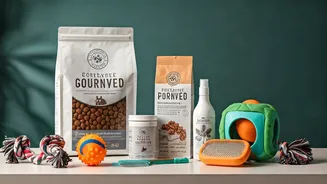
of pet food has fueled an explosion in premium options, transforming a market now worth well over $100 billion annually in the U.S. alone.So, what does 'better food' look like? It means moving away from mysterious 'meat by-products' and fillers like corn and soy. Instead, the focus is on whole, recognizable ingredients. You’ll see labels boasting 'human-grade' chicken, wild-caught salmon, and organic vegetables. This has given rise to a booming sub-industry of fresh and raw food subscriptions, delivering pre-portioned, vet-designed meals straight to the consumer’s door, much like a meal kit for humans. For pets with sensitivities, limited-ingredient diets (LID) have become a go-to solution, simplifying formulas to reduce the risk of allergic reactions. The entire philosophy has changed from merely sustaining an animal to actively promoting its long-term wellness through nutrition.
More Than Just a Squeaky Toy
The toy bin is also getting a major upgrade. While a classic tennis ball still has its place, pet parents are now looking for toys that do more than just occupy their companions. The new focus is on enrichment, sustainability, and safety. Puzzle toys and treat-dispensing gadgets have become essential tools for combating boredom and anxiety, especially for animals left home alone. These products engage a pet’s mind, forcing them to problem-solve to get a reward, which can prevent destructive behaviors and provide valuable mental stimulation.Sustainability is another key driver. Consumers are increasingly wary of cheap, disposable plastic toys made overseas with questionable materials. They are instead seeking out products made from recycled, natural, or eco-friendly materials like natural rubber, hemp, and sustainably sourced wood. Brands that prioritize durability and offer guarantees are winning favor, as owners are willing to pay a premium for a toy that will last longer and is safer for their pet to chew on. It’s a move from mindless distraction to mindful engagement.
A New Standard for Safety
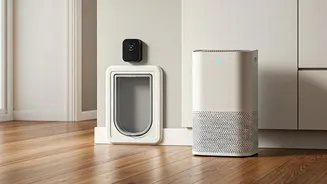
Peace of mind is priceless, and modern pet owners are leveraging both technology and better product standards to keep their animals safe. On the technology front, GPS-enabled collars and tags have become commonplace, offering real-time tracking that can turn a potential tragedy into a minor inconvenience. Likewise, in-home pet cameras allow owners to monitor their furry friends from work, check for signs of distress, and even dispense treats or speak to them through a two-way audio system.But safety isn't just about technology. There's a growing demand for transparency in manufacturing. After high-profile recalls of pet foods and treats in the past, consumers are more vigilant than ever. They want to know where products are made and what safety standards are being followed. This extends to toys, bedding, and accessories. Pet parents are actively looking for 'non-toxic' and 'BPA-free' labels, demanding the same level of safety for their pets' products as they would for a child’s. This pressure is forcing the industry as a whole to adopt stricter quality control measures and be more transparent about their supply chains.