



The Great Thaw: Legendary Highways Await
For months, Ladakh remains a kingdom in the clouds, accessible primarily by air as heavy snows blanket the mountain passes. But June marks a dramatic shift. This is the month when the region’s two main arteries—the Srinagar-Leh and Manali-Leh highways—are
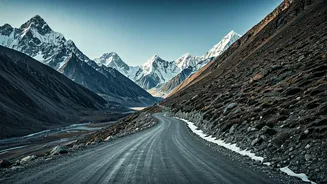
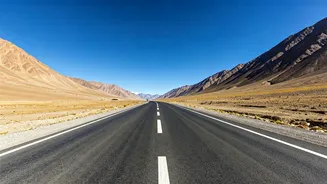
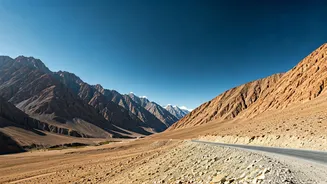
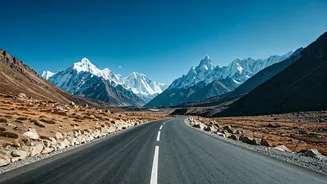
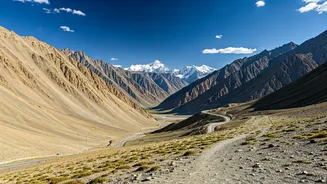
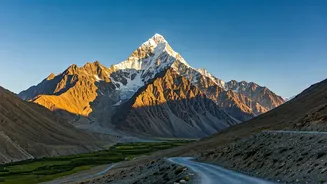
typically clear and officially open for the season. For road trip enthusiasts, this is the entire point. Driving to Ladakh isn’t just a way to get there; it’s a pilgrimage. The Manali-Leh highway, in particular, is one of the world's most spectacular drives, a 300-mile odyssey across soaring passes like Rohtang La and Baralacha La. In June, you get to experience this raw beauty with dramatic walls of snow still lining the roadsides, a stark and stunning contrast to the barren brown mountains and impossibly blue skies. This isn't just travel; it's an expedition.
Peak Scenery with Perfect Weather
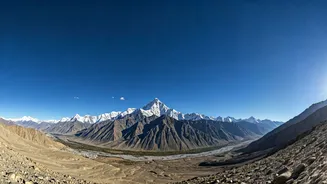
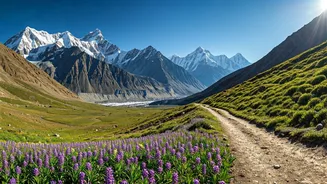
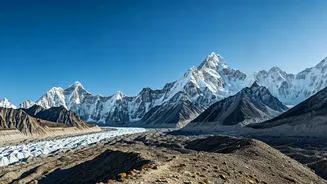
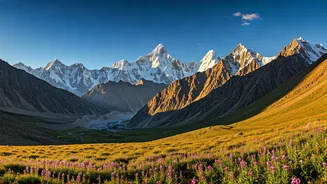
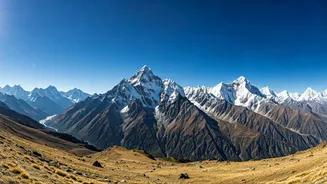
June offers Ladakh’s most visitor-friendly climate. The brutal cold of winter has subsided, but the intense, high-altitude sun of mid-summer hasn't yet reached its peak. Days are comfortably warm, perfect for exploring monasteries or hiking in the valleys, with temperatures often hovering in the 60s Fahrenheit. Nights remain crisp and cool, a reminder that you're over 11,000 feet above sea level. More importantly, the air is exceptionally clear. Ladakh is a rain-shadow desert, meaning it gets very little precipitation. June precedes the Indian monsoon season, which can wash out roads in the lower Himalayas, ensuring your journey in and out of Ladakh is less likely to be disrupted by weather. This clarity translates to phenomenal photography conditions: sharp, snow-dusted peaks, vibrant green patches of barley in the valleys, and a sky so deep blue it feels otherworldly.
Access All Areas: Unlocking the Jewels
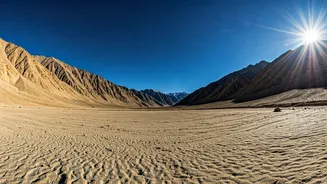
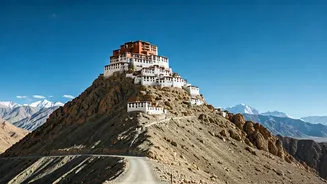
With the roads clear, Ladakh’s most iconic sights become fully accessible. The journey to Pangong Tso, the famous high-altitude lake that shimmers in shades of blue and turquoise, is a breathtaking adventure in itself, crossing the formidable Chang La pass. In June, the lake is freshly thawed, its colors at their most vibrant against a backdrop of barren, snow-streaked mountains. Similarly, the road to the Nubra Valley via Khardung La—once claimed as the world’s highest motorable pass—opens up a completely different landscape. Here, you'll find sand dunes, Bactrian camels (a remnant of the old Silk Road), and serene monasteries like Diskit. Being able to seamlessly connect these key locations without worrying about pass closures makes a June itinerary feel fluid and liberating.
A Land Awakening with Culture
June isn't just about landscapes; it’s about life. As the region reopens, there's a palpable energy in the air. Markets in Leh, the main town, buzz with activity as locals and the first wave of travelers mingle. Farmers are back in their fields, and the apricot blossoms of early spring give way to the first signs of a green summer. This month also often coincides with important cultural events. Chief among them is the Hemis Festival, one of Ladakh's most famous monastic festivals, held at the Hemis Monastery. While the exact dates are based on the Tibetan lunar calendar and can sometimes fall in early July, it frequently occurs in June. Witnessing the masked dances, traditional music, and vibrant ceremonies offers a profound glimpse into the region’s living Buddhist heritage. It’s a powerful cultural experience that perfectly complements the natural grandeur.
The Sweet Spot: Beating the Crowds and Rains
If Ladakh has a peak tourist season, it’s July and August. By traveling in June, you place yourself in a strategic sweet spot. You get all the benefits of summer access but with noticeably fewer crowds at major viewpoints, monasteries, and on the roads themselves. Accommodations are easier to find, and there’s a more relaxed feel in the air before the full mid-summer rush begins. You also avoid the worst of the monsoon season, which, while not affecting Ladakh directly, can cause landslides and travel disruptions on the approach roads through Himachal Pradesh and Kashmir later in the summer. June offers that perfect balance: the thrill of the opening season without the logistical headaches of peak season.