




The Burnout of ‘Checklist’ Tourism
For decades, the ideal American vacation followed a predictable script. You’d book a flight to a popular spot, stay in a familiar hotel chain, see the top three sights from a guidebook, and buy a souvenir. It was a formula designed for efficiency, a way
to ‘do’ Paris or ‘see’ the Caribbean. In the social media era, this intensified into ‘checklist tourism’—a race to capture the same iconic photos from the same crowded angles, proving you were there without ever truly arriving. The result? A strange sense of emptiness. Travelers were returning home with a camera roll full of familiar images but few genuine memories. The trips, while pleasant, started to feel interchangeable—the same beach resorts, the same packed museums, the same tourist-trap restaurants. This model of travel, focused on passive consumption, began to feel hollow, prompting a collective question: Is this all there is?
The Search for Connection and Purpose
The shift toward ‘meaningful escapes’ isn’t just about being different; it’s about feeling different. In a world saturated with digital noise and surface-level interactions, people are craving genuine connection—to new cultures, to nature, and to themselves. This trend, bubbling under the surface for years, accelerated dramatically after the global pause of the pandemic, which gave many a rare moment to re-evaluate their priorities. Meaningful travel isn’t a single type of trip. It’s a mindset. It re-frames the goal of a vacation from escapism to engagement. Instead of asking, “Where can I go to get away from it all?” the question becomes, “Where can I go to connect with something real?” This can manifest as ‘transformational travel,’ where the goal is personal growth; ‘regenerative travel,’ which focuses on leaving a destination better than you found it; or ‘slow travel,’ which favors depth over breadth, encouraging travelers to stay in one place longer and immerse themselves in the local rhythm.
What Meaningful Travel Looks Like
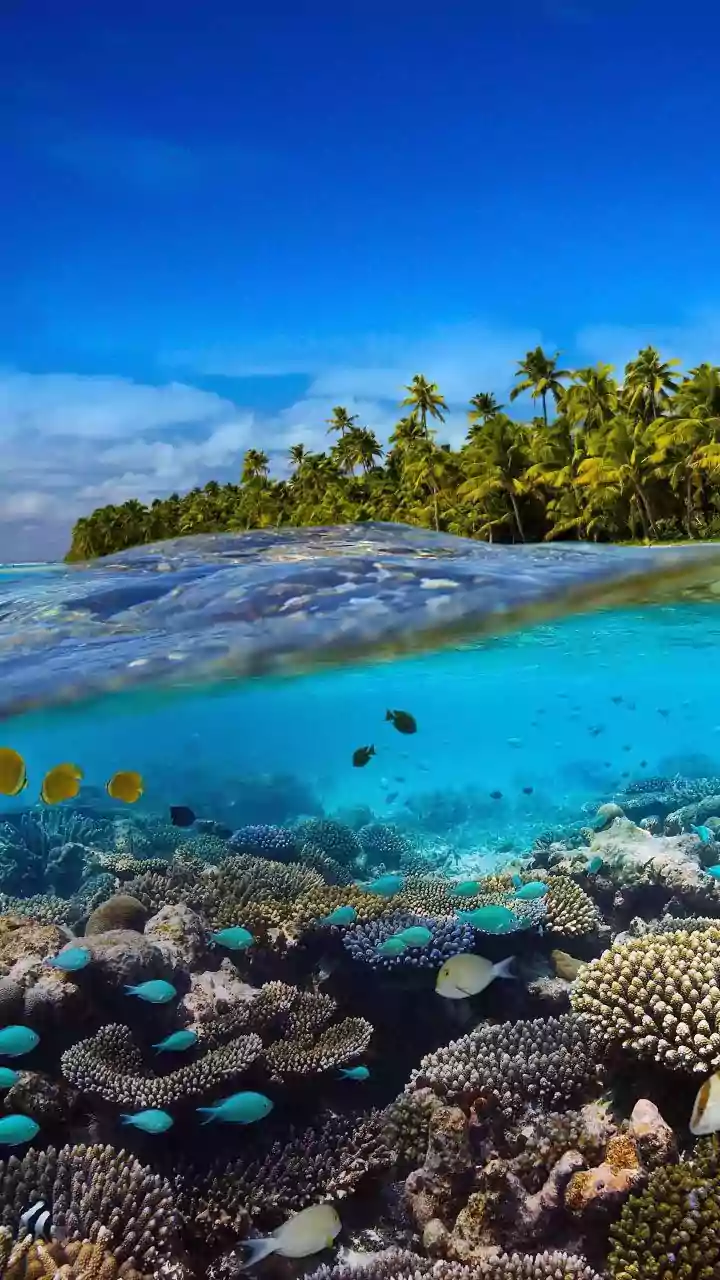
So, what does this look like in practice? It’s less about extravagance and more about intention. Instead of a week at an all-inclusive resort in Mexico, it might be a week at a small, family-run guesthouse in Oaxaca, taking cooking classes that support the local community. Instead of rushing through five European capitals in ten days, it could be renting a small apartment in a single Italian village and getting to know the baker and the market vendors. Examples are popping up everywhere. Travelers are swapping party boats for marine biology expeditions where they help with coral reef restoration. They’re choosing farm stays where they learn about sustainable agriculture over stays in anonymous city hotels. They're signing up for silent wellness retreats in the desert, language immersion programs, or multi-day hikes that push their physical and mental limits. The common thread isn’t the activity itself, but the active participation and the potential for a lasting impact—on both the traveler and the destination.
It’s About Intent, Not Budget
One of the biggest misconceptions about meaningful travel is that it’s a luxury reserved for the wealthy. While a guided spiritual quest in Peru can be costly, the core principle is accessible to everyone. Meaning can be found just as easily on a road trip through America’s national parks, with a commitment to leave no trace and learn about the area’s Indigenous history. It can be a weekend trip to a nearby city, but instead of hitting the big tourist sites, you explore a single neighborhood on foot, supporting its independent shops and restaurants. It’s about prioritizing intention over indulgence. This could mean volunteering at a local animal shelter for a day during a longer trip or simply choosing tour operators and accommodations that are owned by locals and practice ethical tourism. The most meaningful escape might not require a passport at all, but rather a shift in perspective about what makes a trip worthwhile.