


The Drink of Green Mangoes
First, let's clear up a common misconception for anyone whose experience with Indian mangoes begins and ends with the beloved Mango Lassi. Aam Panna is not made from the sweet, golden, ripe mangoes of summer desserts. Its soul comes from a different fruit
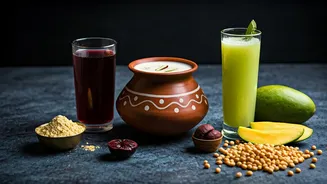
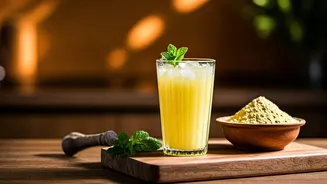
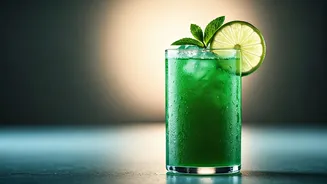
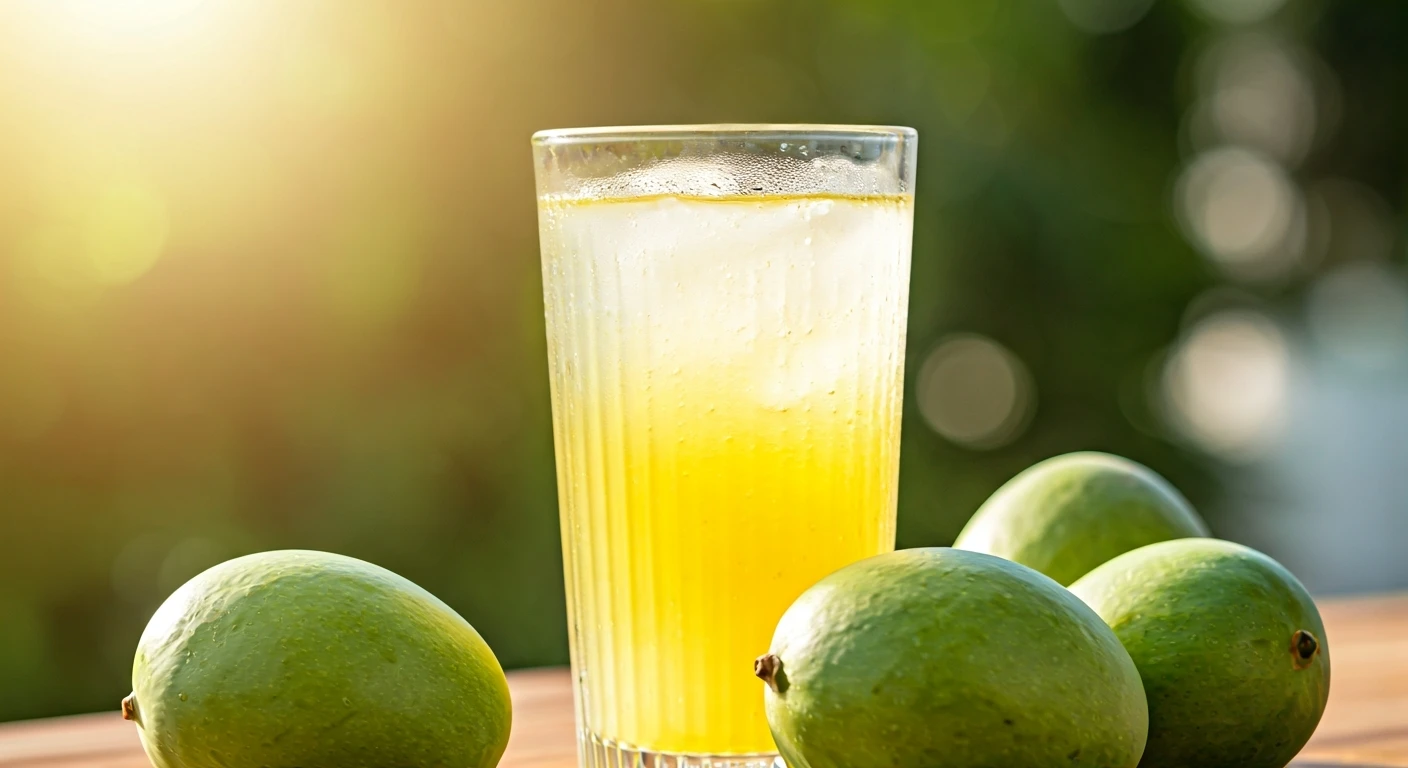
entirely: the hard, sour, and intensely flavorful raw green mango. These are the mangoes of springtime, harvested before they have a chance to sweeten, their flesh pale green and firm. To make Aam Panna, these unripe mangoes are boiled or roasted until soft, then their pulp is mixed with water, sugar, and an array of spices. The flavor profile is a thrilling journey—an initial hit of sourness from the mango gives way to sweetness from sugar or jaggery, followed by a complex, savory finish. Cumin, black salt (kala namak), and sometimes a hint of mint or ginger create a drink that is simultaneously refreshing, tangy, and deeply savory. It’s more like a gourmet, spiced lemonade than a creamy smoothie, designed to quench thirst on a cellular level.
An Ancient Answer to Searing Heat
In India, Aam Panna is more than just a tasty beverage; it's a piece of folk wisdom in a glass. For generations, it has been the go-to remedy during the brutal pre-monsoon heat, when temperatures can soar to life-threatening levels. Traditional belief, rooted in Ayurvedic principles, holds that the drink has powerful cooling properties that protect the body from heat-related illnesses like heat stroke and exhaustion. Modern science offers a compelling explanation for this ancient wisdom. During a heatwave, you don’t just lose water through sweat; you lose essential salts and electrolytes. Aam Panna is a masterful hydration hack. The water rehydrates, the sugar provides a quick energy boost, and the salts—especially the mineral-rich kala namak—replenish the very electrolytes your body is crying out for. Add to that the fact that green mangoes are a good source of pectin, vitamin C, and B vitamins, and you have a drink that is far more functional than your average soda or iced tea. It’s a natural, delicious oral rehydration solution.
India’s Original Hydration Hack
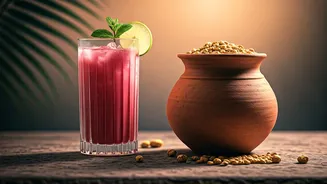
Long before sports drinks and electrolyte powders were invented, Aam Panna was the original. Its status as an “OG” drink comes from its deep cultural roots. For millions, the taste of Aam Panna is the taste of childhood summers. It’s the drink grandmothers would make in large batches, storing the concentrated pulp in glass jars to be diluted and served to any family member or guest coming in from the blistering sun. The preparation is a seasonal ritual, tied to the fleeting availability of raw mangoes. It represents a cherished form of domestic alchemy—turning a sour, almost inedible fruit into a life-giving elixir. This isn’t a product manufactured in a factory; it’s a tradition passed down through families, with each household guarding its own unique recipe and spice blend. This connection to home, health, and heritage is what makes it a true cultural icon, not just a beverage.
Why It's Trending Now
So why is Aam Panna “back”? The truth is, for many in India, it never left. But it is experiencing a significant resurgence and broader discovery. A new generation, both in India and abroad, is turning away from mass-produced sugary drinks and seeking out healthier, more authentic alternatives. Aam Panna fits perfectly into the modern wellness movement: it’s natural, plant-based, and functional. In urban India, trendy cafes are putting their own spin on the classic, serving artisanal Aam Panna with premium spices or even creating Aam Panna-flavored cocktails. In the U.S. and Europe, as Indian cuisine continues its ascent, chefs and food writers are highlighting regional treasures like Aam Panna, introducing it to a new global audience. It’s showing up on menus, in food blogs, and on Instagram feeds, celebrated for its unique flavor and undeniable functionality in an ever-warming world.