


What the Monsoon Really Means
When most Americans think of a tropical island vacation, “monsoon season” is the stop sign. It conjures images of relentless, vacation-ruining downpours. In India's Andaman and Nicobar Islands, an archipelago in the Bay of Bengal, the reality from May
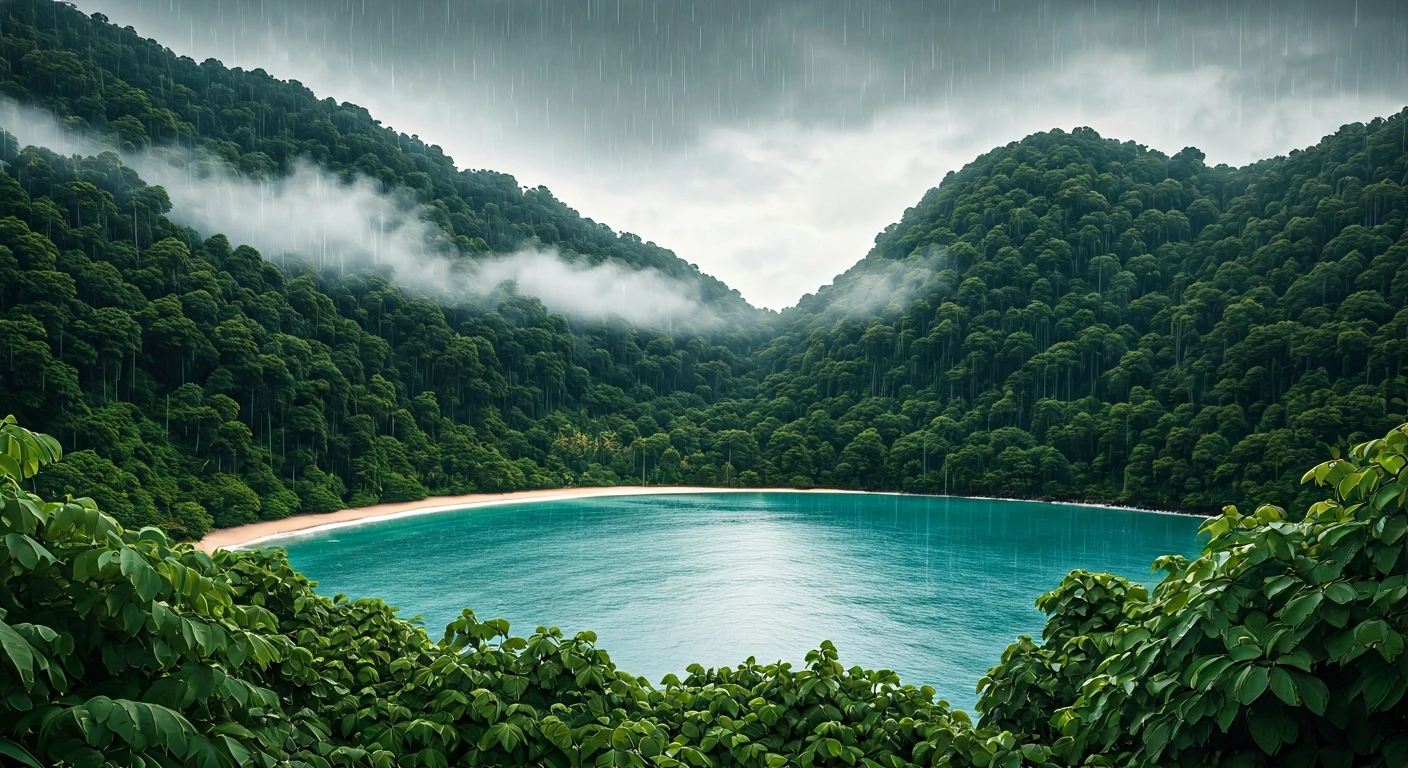
through September is far more romantic and nuanced. The monsoon here isn’t a constant drizzle; it’s a dramatic performance. Think short, intense bursts of heavy rain that cool the air and wash the world clean, often followed by hours of brilliant sunshine. The clouds create epic, shifting landscapes in the sky, turning sunsets into a painter’s dream of purples, oranges, and deep blues. Instead of ruining the trip, the weather becomes part of the main event—a powerful, beautiful force of nature that provides a soul-stirring soundtrack to your stay.
The Unmatched Luxury of Solitude
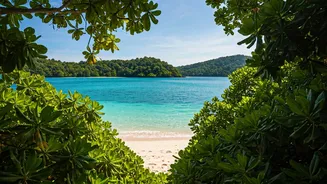
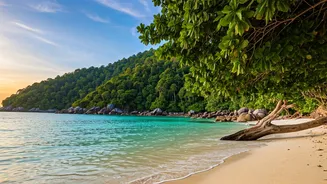
The single greatest advantage of a monsoon honeymoon is the privacy. During the peak season (October to April), popular spots like Havelock Island (Swaraj Dweep) and Neil Island (Shaheed Dweep) are bustling with visitors. Ferries are packed, beaches have a steady stream of people, and restaurants are busy. But during the monsoon, the crowds vanish. This is when the islands revert to their sleepy, tranquil state. You can walk along world-famous stretches of sand like Radhanagar Beach and find yourselves completely alone, with only the sound of the waves for company. Cafes are quiet, roads are empty, and boutique resorts feel less like hotels and more like private estates. For a honeymoon, this sense of having a pristine paradise all to yourselves is an intimacy that no peak-season trip can offer.
Embracing the Wild and Lush Landscape
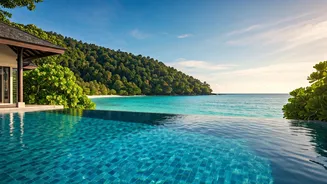
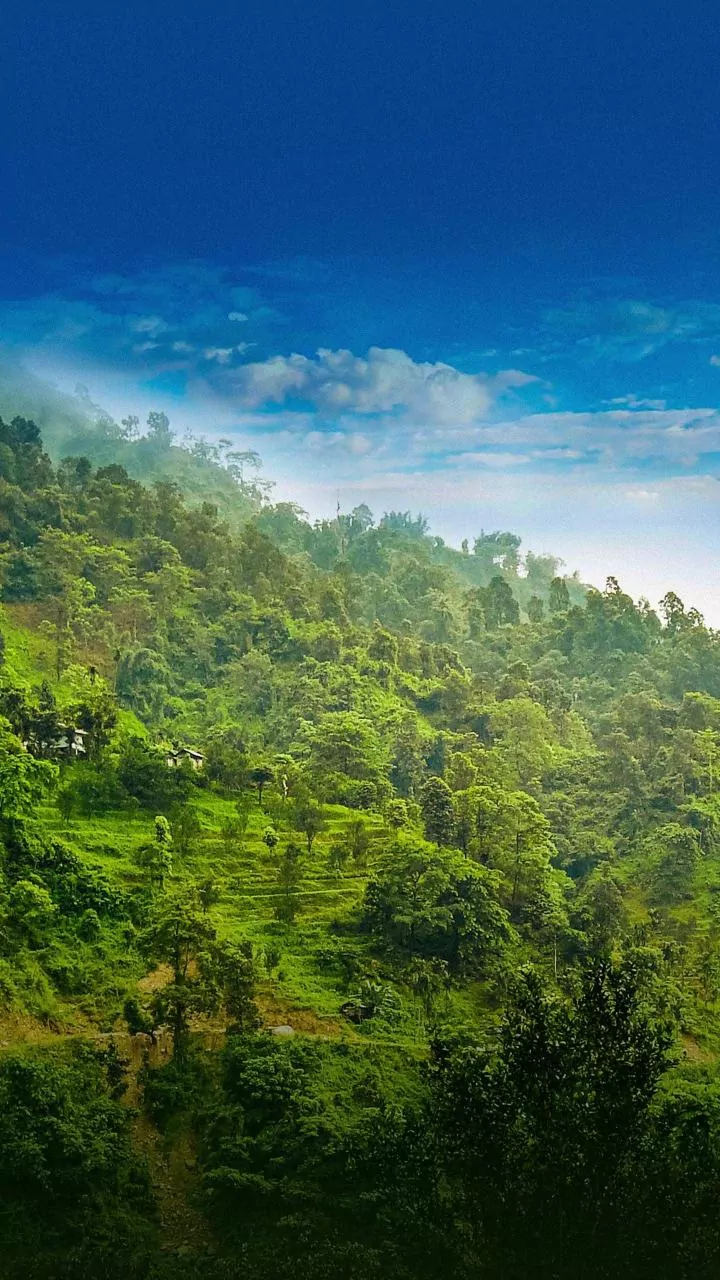
The monsoon breathes life into the islands, transforming them into a hyper-saturated, emerald-green wilderness. The rainforest, which covers much of the Andamans, is at its most vibrant. The air is thick with the scent of wet earth and blooming flowers. This is the time for experiences that connect you with the “wild” side of the islands. Instead of focusing on water sports, you can rent a scooter and explore winding jungle roads, discovering hidden coves and tiny villages. Many resorts have beautiful covered verandas or private balconies perfect for curling up with a book and a cup of chai, watching a storm pass over the ocean. It’s a meditative, grounding experience that replaces a packed itinerary with pure, unadulterated relaxation and connection—with nature and with each other.
The Practical Realities and How to Plan
A monsoon honeymoon requires a spirit of adventure and flexibility. While the upside is huge, you must plan for the practicalities. Scuba diving and snorkeling operations are often limited or closed due to reduced visibility and rougher seas. Ferry services between islands can be delayed or canceled due to weather, so it’s wise to build buffer days into your schedule and not plan tight connections. Stick to the main islands like Havelock or Neil, as transport to more remote locations becomes unreliable. Pack light, quick-drying clothes, reliable rain gear, and insect repellent. The trade-off for your flexibility is significant: flights and luxury accommodations are often available at a fraction of their peak-season prices. The key is to embrace a slower pace. Don't try to tick off a checklist; instead, be prepared to adapt and enjoy the spontaneous moments the weather creates.