



An Island in a Sea of Rain
Anchored deep within Rajasthan’s Thar Desert, Jaisalmer is an exception to India’s monsoon rule. From June to September, while much of the subcontinent is getting drenched, this ancient desert outpost receives just a handful of rainy days, if any. Its
location in the rain shadow of the Aravalli mountain range means the moisture-laden clouds that define the Indian wet season often pass it by entirely. The result is a travel experience that feels otherworldly. Instead of seeking shelter from downpours, visitors here find themselves seeking shade from a brilliant, unrelenting sun. The “drama” in Jaisalmer isn’t about stormy skies; it’s about the stark, sun-baked beauty of a city that seems carved from the desert itself.
The Living Golden Fort
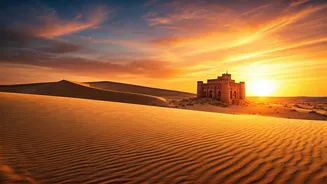
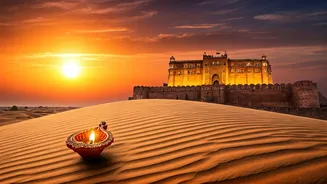
The heart of the city's drama is the Jaisalmer Fort. Unlike many of India’s other magnificent forts, which function primarily as museums, this one is very much alive. Nearly a quarter of the old city's population still resides within its honey-colored sandstone walls. Built in 1156, its labyrinthine alleys are a living tapestry of homes, temples, guesthouses, and artisan shops. Visiting during the monsoon “off-season” means you get to experience this UNESCO World Heritage site without the peak-season crowds. You can wander its narrow lanes, feeling the heat radiate from ancient stones, and imagine centuries of caravans passing through. The fort glows with an ethereal light at sunrise and sunset, earning Jaisalmer its moniker, “The Golden City.” This isn't just a historical relic; it's a breathing, functioning medieval settlement in the 21st century.
Drama on the Dunes
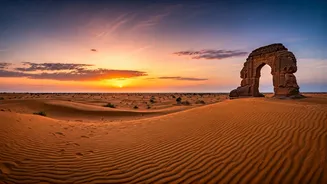
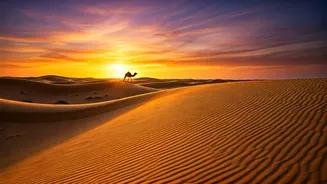
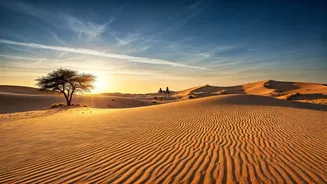
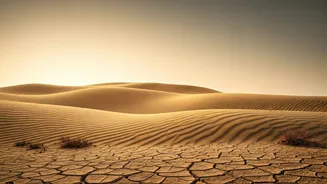
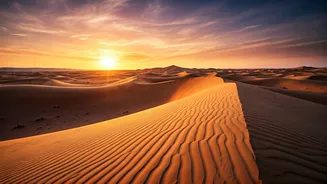
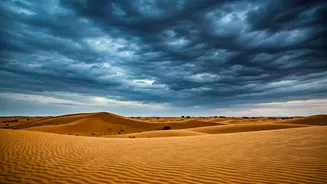
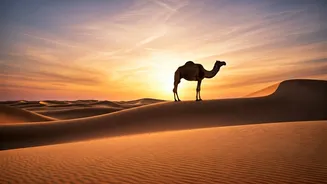
Just outside the city, the Sam Sand Dunes offer a different kind of performance. This is the quintessential desert landscape you see in films—miles of rolling, windswept dunes that change shape with the wind. While the rest of India is navigating muddy roads, here you can take a camel safari across the golden sands. The air is dry, the horizons are vast, and the silence is profound. The monsoon season can sometimes bring a fleeting, dramatic cloudburst, which locals celebrate, but for travelers, it mostly ensures a clear, star-filled sky. Spending a night at a desert camp, watching the sunset paint the dunes in shades of orange and purple before a blanket of stars emerges, is an unforgettable experience. It’s a powerful reminder of nature’s scale and beauty, made more potent by its contrast with the season happening elsewhere.
The Perks of a Counterintuitive Trip
Choosing a desert destination during a subcontinent-wide rainy season feels like a contrarian move, but it comes with significant rewards. For one, it's considered the shoulder season in Jaisalmer. This often translates to lower prices on accommodations and tours, and a more relaxed atmosphere overall. You’re not competing for the best photo spots or jostling for space in the fort’s narrow passages. Instead, you get a more intimate and authentic encounter with the city and its people. You can explore the intricately carved havelis—the stunning sandstone mansions built by wealthy merchants—at your own pace. The dry heat, while intense, is predictable. You can plan your days around it, exploring in the cooler mornings and evenings and relaxing during the midday peak, just as locals have done for centuries.