



A City in the Clouds
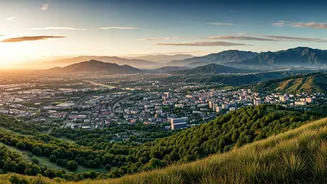
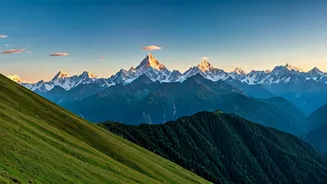
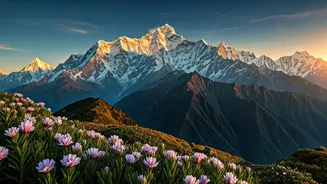
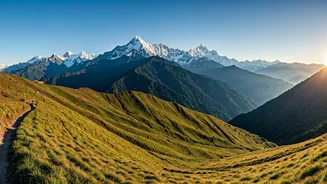
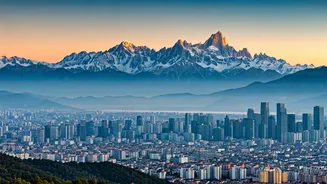
Imagine stepping out of the humid, chaotic energy of a typical Indian metropolis and into a city where the air is crisp, the streets are clean, and the skyline is dominated by the snow-dusted peaks of the world’s third-highest mountain. This is Gangtok.
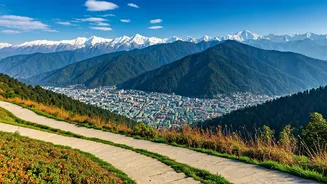
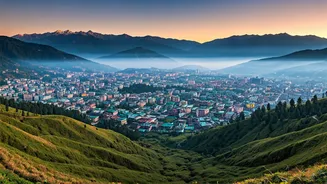
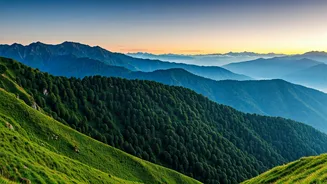
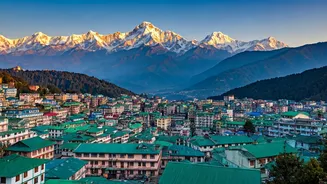
Perched at an altitude of over 5,400 feet, the city enjoys a temperate climate year-round, making it a perfect sanctuary from the scorching summer heat that grips much of the subcontinent from April to June. While other hill stations like Shimla and Mussoorie have become choked with over-tourism, Gangtok retains a sense of calm and order. It’s a city built on a steep mountainside, with terraced buildings cascading down the slopes and prayer flags fluttering from every corner, a constant, colorful reminder that you are in a different kind of India.
The MG Marg Experience
The heart of Gangtok, and perhaps its most defining feature, is MG Marg. This isn't just a main street; it's a revelation for anyone accustomed to the vehicle-clogged arteries of other Indian cities. The entire boulevard is a pedestrian-only zone, meticulously clean, lined with benches, flowerbeds, and Victorian-style lamps. It’s a smoke-free and litter-free public space where locals and tourists alike gather to stroll, shop, and socialize. Cafes spill out onto the pavement, offering everything from steaming momos (Tibetan dumplings) to rich, locally grown coffee. In the evenings, the street comes alive with a gentle, communal buzz, not the frantic rush of a big city. This commitment to public space and cleanliness isn't an accident; it’s a core part of Gangtok’s identity and a model for urban planning that feels decades ahead of its time.
Spiritual Vistas and Monastery Views
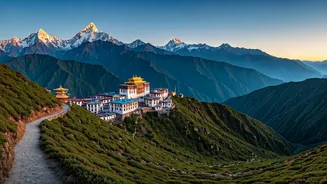
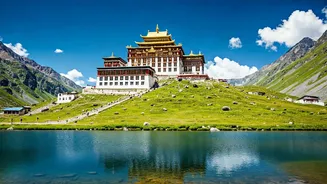
Gangtok is a gateway to the profound spiritual heritage of the Himalayas. The city and its surroundings are dotted with stunning Buddhist monasteries. A short drive away lies the Rumtek Monastery, a vast and vibrant complex that serves as one of the most important centers of Tibetan Buddhism outside of Tibet. Its intricate murals, golden stupas, and the rhythmic chanting of monks create a deeply meditative atmosphere. Closer to the city center, the smaller but equally enchanting Enchey Monastery offers panoramic views of the Kanchenjunga range. This spiritual dimension provides a peaceful counterpoint to the city's modern amenities, offering travelers a chance to not only cool off but also to reflect and recharge in a setting of immense natural and cultural beauty.
Gateway to Himalayan Adventure
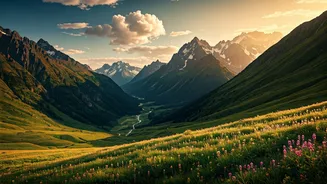
For the more adventurous traveler, Gangtok serves as an ideal basecamp for exploring the wider wonders of Sikkim. The state is a paradise for trekkers, nature lovers, and thrill-seekers. From Gangtok, you can arrange trips to the breathtaking Tsomgo Lake, a glacial lake situated at 12,400 feet that remains frozen in winter and is surrounded by wildflowers in the spring. Permits are also available for journeys into North Sikkim, a remote and rugged region of high-altitude valleys, towering peaks, and the stunning Gurudongmar Lake. Whether it’s white-water rafting on the Teesta River or paragliding over verdant valleys, Gangtok is the launchpad for experiences that connect you directly with the raw, untamed power of the Himalayas.
A Sustainable Model
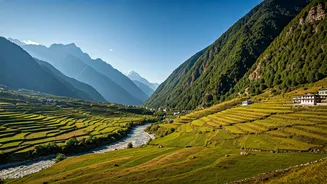
Perhaps what makes Gangtok the escape India truly needs is its quiet commitment to sustainability and order. Sikkim was one of the first states in India to ban disposable plastic bags, a policy that is immediately evident in the city's clean streets. It’s also celebrated as India's first fully organic state, promoting an agricultural system that works in harmony with its delicate mountain ecosystem. This forward-thinking mindset permeates life in Gangtok, creating a sense of civic pride and shared responsibility that is rare. It challenges the narrative that development in India must come at the cost of the environment or quality of life, offering a hopeful blueprint for a cooler, cleaner, and calmer future.