




More Than Just Saving Money
At its heart, cost-conscious nutrition is a strategic shift, not a sacrifice. It’s about maximizing the nutritional value you get for every dollar you spend. This trend rejects the idea that eating well has to be an expensive, exclusive hobby defined
by pricey, brand-name health foods. Instead, it champions a return to foundational principles: cooking with whole ingredients, embracing budget-friendly protein sources, and leveraging pantry staples that have been nourishing people for centuries. It’s less about deprivation and more about empowerment—taking back control of your health and your wallet in an economy that seems to squeeze both. This mindset values resourcefulness over retail therapy and practical skills over performative wellness.
The New Back-to-Basics Pantry
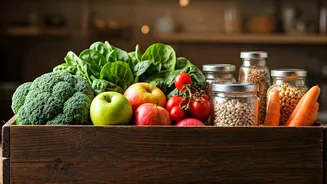
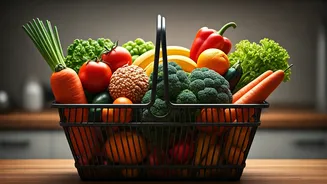
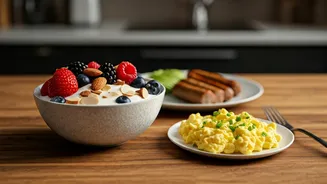
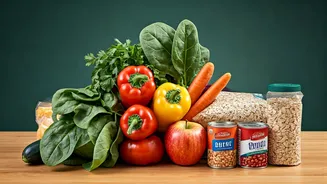
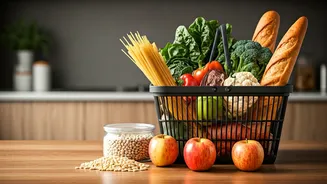
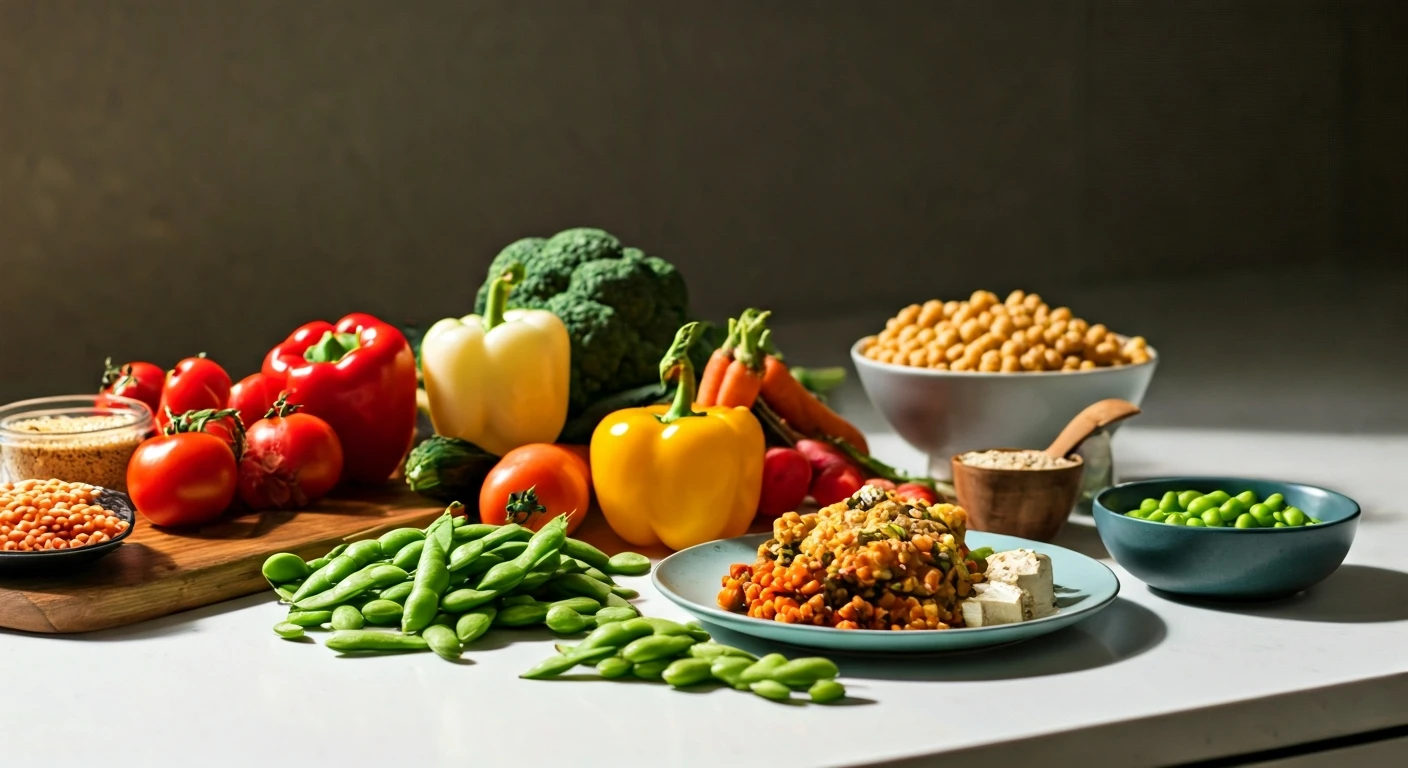
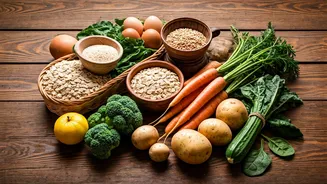
The stars of this movement aren’t acai bowls or spirulina powders; they are the humble, hardworking heroes of the grocery aisle. Think of foods like lentils, chickpeas, and black beans, which offer an incredible combination of protein, fiber, and affordability. Oats, a powerhouse of slow-release energy, are replacing expensive boxed cereals. Eggs have reclaimed their throne as a perfect, low-cost protein. The freezer aisle has also become a key destination, with frozen fruits and vegetables offering peak-season nutrition and year-round value without the risk of spoilage. These ingredients form the bedrock of a resilient kitchen, allowing for endless creativity in crafting meals that are both satisfying and economically sensible. They prove that a nutrient-dense diet doesn’t require a special shopping trip to a high-end market.
Planning Is the Ultimate Strategy
Spontaneity is a luxury many can no longer afford in the grocery store. The cost-conscious approach relies heavily on planning. This isn’t about rigid, joyless scheduling, but about smart, forward-thinking strategy. It starts with a simple meal plan for the week, which dictates a precise shopping list and drastically reduces impulse buys. It extends to the practice of “batch cooking”—preparing large quantities of staples like rice, roasted vegetables, or chicken on a Sunday to be used in various meals throughout the week. This saves not only money but also precious time on busy weeknights. Furthermore, this trend encourages a “use what you have” mentality, inspiring home cooks to shop their own pantry and freezer first, creatively combining ingredients to minimize food waste, which is essentially throwing money away.
The Rise of the Practical Foodie
This movement is also reshaping what “wellness” looks like online. The perfectly curated, aesthetically flawless images of expensive meals are making way for a new kind of influencer: the practical foodie. On platforms like TikTok and Instagram, creators are gaining huge followings by sharing their realistic grocery hauls from stores like Aldi and Trader Joe’s, demonstrating how to feed a family on a tight budget, and showcasing delicious meals made from simple, accessible ingredients. Their content is relatable, transparent, and, most importantly, useful. They’re not selling a fantasy; they’re providing a service. This digital shift reflects a broader cultural fatigue with unattainable standards, celebrating authenticity and resourcefulness over aspirational spending.
Simple Swaps for Big Impact
Adopting a cost-conscious nutrition mindset doesn't require a complete overhaul of your diet. Small, consistent changes can lead to significant savings and health benefits over time. For example, try incorporating one or two “meatless Monday” meals per week using lentils or beans instead of ground meat. Swap out-of-season fresh berries, which can be pricey and lack flavor, for their frozen counterparts in smoothies and oatmeal. Instead of buying pre-made sauces or dressings, learn a simple recipe using pantry staples like oil, vinegar, and spices. Brewing your own coffee or tea at home instead of buying it daily is another classic example of a small habit that delivers huge financial returns. These swaps aren’t about what you’re giving up, but about the financial freedom and culinary control you’re gaining.