

Know Your Battlefield: The Monsoon
Before you even think about booking a ticket, you need to understand the main character of this story: the Indian monsoon. In Maharashtra, a state that’s home to the bustling metropolis of Mumbai and the stunning Western Ghats mountain range, the monsoon is a season
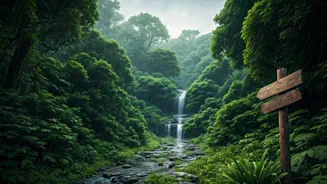
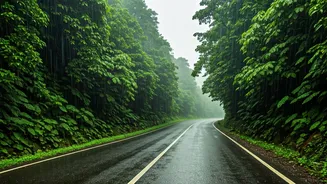
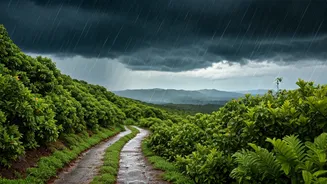
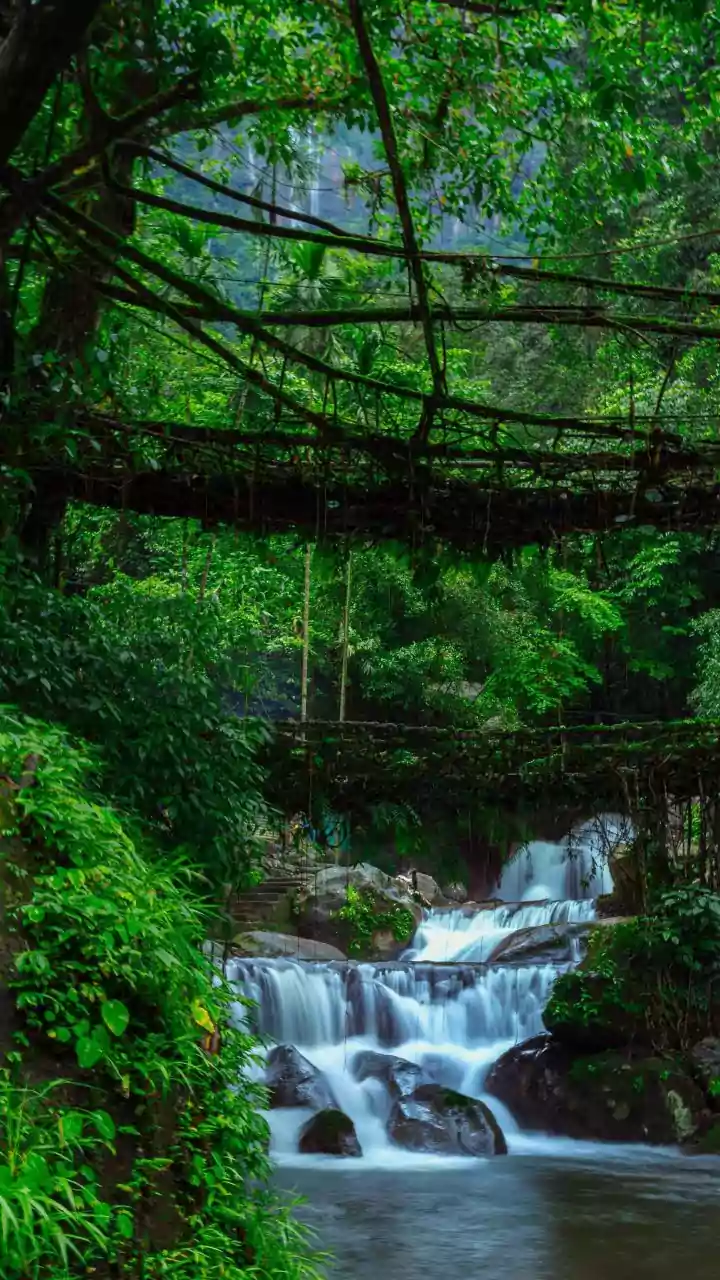
of dramatic extremes. For months, the land can be parched and dusty under a relentless sun. Then, almost overnight, the skies open. The rain isn't a gentle drizzle; it’s a powerful, relentless force that turns dusty hills into emerald-green carpets, awakens dormant waterfalls that cascade over mountainsides, and fills the air with the smell of wet earth, or *petrichor*. It’s a sensory overload in the best way possible. But this life-giving deluge is also a formidable opponent. It brings with it humidity, flooding, and a general sense that nature is firmly back in charge.
Choose Your Mission Wisely
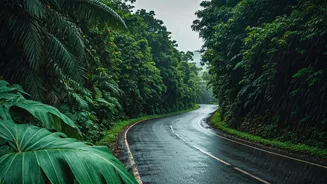
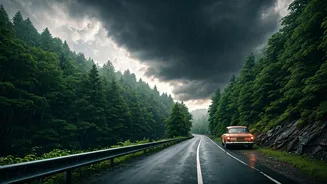
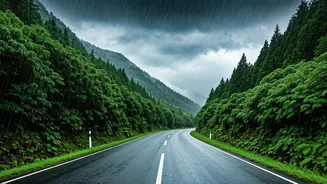
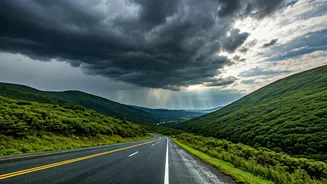
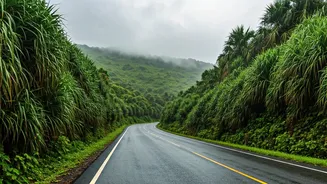
Your monsoon strategy starts with picking the right destination. For city adventurers, Mumbai itself is a classic. Navigating the waterlogged streets and hopping on the famously resilient (but often delayed) local trains is an experience. The city’s colonial-era drainage systems groan under the pressure, but life, somehow, goes on. For nature lovers, the real prize lies just outside the city. Hill stations like Lonavala and Khandala become a playground of fog-draped cliffs and impromptu waterfalls. The drive through the Malshej Ghat, a mountain pass, is legendary for its views, where you can literally drive through clouds and have waterfalls splashing onto the road. This isn’t a trip for predictable comfort; it’s for the thrill of seeing a landscape at its most wild and beautiful.
Master the Tactical Challenges
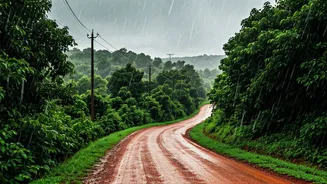
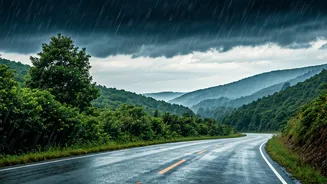
Here's where the “tactical” part comes in. This is not a point-A-to-point-B kind of trip. Your primary adversaries are landslides and flooding. The beautiful mountain roads, or 'ghats', are prone to rockfalls, which can shut down a route for hours or even days. A two-hour drive can easily become a six-hour test of patience. In the cities, particularly Mumbai, waterlogging can bring traffic to a complete standstill. Train schedules become optimistic suggestions rather than firm commitments. The key is flexibility. You must have a Plan B, and probably a Plan C. Checking local news reports and traffic apps isn't just helpful; it's essential for basic mission planning. Don't book a tight itinerary. Instead, build in buffer days and assume everything will take twice as long as you expect.
Gear Up: Your Tactical Kit
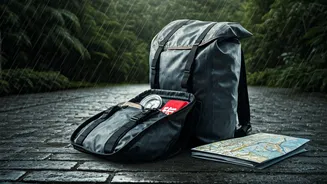
Packing for a monsoon trip is different. Forget your designer leather and suede. Think functional and quick-drying. Your footwear is the most critical piece of gear; sturdy, waterproof sandals with good grip are non-negotiable for navigating slippery paths and flooded streets. Pack lightweight, synthetic clothes that will dry overnight in a humid hotel room—cotton is your enemy here. A reliable waterproof jacket is a must, but an umbrella is often more practical for short dashes in the city. Most importantly, protect your electronics. Invest in a good waterproof backpack or, at the very least, multiple dry bags to keep your phone, camera, and passport safe from the pervasive dampness. Think of it as equipping yourself for an amphibious operation.
The Ultimate Strategy: Embrace the Chaos
Ultimately, the most important tactic for surviving and thriving in a Maharashtrian monsoon is a mental one. You have to surrender to the chaos. If you’re the kind of traveler who needs everything to run like clockwork, this is not the trip for you. But if you can find joy in the unexpected, it’s pure magic. A canceled train might lead you to discover a fantastic local tea stall where you spend hours chatting with locals. A traffic jam on a mountain road might give you the perfect, stationary view of a newly formed waterfall. The goal is not to conquer the monsoon, but to move with it. The delays, the detours, and the dampness are all part of the immersive experience. The reward is witnessing a world washed clean, intensely alive, and pulsing with a raw energy you won't find at any other time of year.