

First, What Is a Thali?
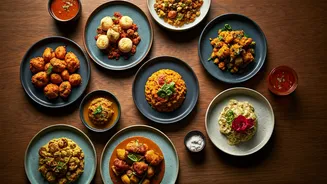
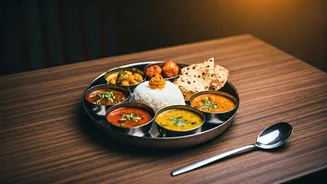
Before we dive into its newfound fame, let’s get acquainted. A thali (Hindi for “plate”) is a complete meal served on a single platter. It’s a brilliant concept in balanced eating, featuring an array of small bowls called *katoris*, each holding a different
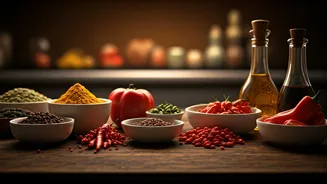
component of the meal. While a restaurant thali might seem like a feast, the principle is rooted in everyday home cooking across South Asia. A typical platter offers a symphony of the six essential tastes of Ayurveda: sweet, salty, sour, bitter, pungent, and astringent. You’ll usually find a dal (lentils), one or two vegetable dishes (*sabzi*), a flatbread like roti or puri, a serving of rice, a cooling yogurt dip (*raita*), a tangy pickle (*achar*), and a small dessert to finish. It’s not just a meal; it’s a curated culinary tour on a tray.
A Feast for the Eyes and the Feed
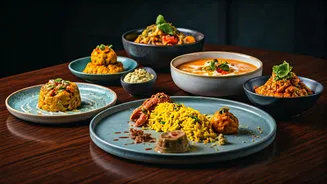
Let’s be honest: in the age of visual social media, we eat with our eyes first. The thali is a natural star. Its inherent symmetry, the kaleidoscope of colors from turmeric-yellow dals to deep green spinach and vibrant red curries, makes it irresistibly photogenic. For a generation fluent in the language of Instagram and TikTok, the thali isn't just food; it's content. It’s a maximalist’s dream, offering a dozen different dishes in a single, perfectly composed frame. Unlike a lone bowl of pasta, a thali tells a story of abundance, variety, and careful composition. This visual appeal is the gateway, the initial hook that draws young diners in before they’ve even taken their first bite. Restaurants have noticed, often using gleaming copper or steel thalis to enhance the aesthetic.
The Quest for Authentic Experiences
Gen Z’s palate is famously adventurous and skeptical of watered-down “ethnic” food. This is a generation that grew up with Anthony Bourdain, not Betty Crocker. They crave authenticity and are eager to move beyond the Americanized trifecta of chicken tikka masala, samosas, and naan. The thali is the perfect antidote to generalization. It’s an edible education in regional Indian cuisine. A Gujarati thali, with its sweeter notes and dishes like *dhokla*, is a world away from a spicy Rajasthani thali featuring *dal baati churma*. By ordering a thali, diners are implicitly asking for a genuine taste of a specific place. It’s a rejection of the monolithic “Indian curry” in favor of a deeper, more nuanced cultural and culinary experience.
Maximum Variety, Minimum Risk
Beyond the cultural cool factor, the thali makes practical sense. For anyone who suffers from menu anxiety, it’s a godsend. Instead of committing to one main dish you might not love, the thali lets you sample a half-dozen or more for a fixed price. It’s the ultimate tasting menu, democratized. This built-in variety is a massive draw for diners who want to explore but are hesitant to order an unfamiliar dish as their entire meal. For a generation navigating inflation and valuing experiences over possessions, the thali offers incredible bang for your buck. You get a complex, multi-course experience for the price of a single entrée, satisfying the desire for both novelty and financial prudence.