







The Rise of the 'Cool-cation'
Imagine planning a trip not by asking, “Where do I want to go?” but by asking, “What weather do I want to feel?” This is the core of a powerful new travel trend emerging from India. Instead of locking in a destination months in advance and hoping for
the best, millions of Indian travelers are making last-minute decisions based almost entirely on escaping the climate at home. This spontaneous, weather-driven travel has been dubbed “cool-cationing.” During brutal heatwaves, online travel platforms see surges in searches not for specific cities, but for abstract concepts like “cold places near me” or “pleasant weather destinations.” The destination has become secondary to the atmospheric conditions it offers. It’s a fundamental shift from destination-first to experience-first travel, where the primary experience is simply thermal comfort.
A Response to Extreme Heat
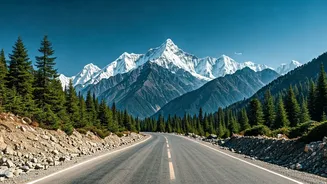
This trend isn’t born from whimsy; it’s a direct response to a harsh reality. In recent years, India has been slammed by increasingly frequent and intense heatwaves, with temperatures soaring to a blistering 115-125°F (46-52°C) in major cities like Delhi. These aren't just uncomfortable temperatures; they are dangerous and life-altering, turning concrete jungles into unbearable ovens. For the country's rising middle class, with more disposable income and a greater desire for wellness and comfort, hunkering down in an air-conditioned room for weeks on end is no longer the only option. A short flight or a long drive to the cooler Himalayan foothills or a breezy coastal town has transformed from a luxury into a perceived necessity for mental and physical relief. Travel has become a form of climate adaptation.
Technology as the Great Enabler
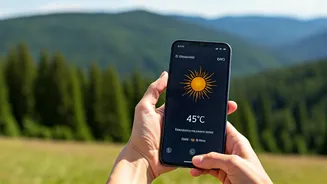
This spontaneous, climate-chasing behavior is made possible by technology. Digital-first travel agencies and booking platforms like MakeMyTrip, EaseMyTrip, and Skyscanner have become essential tools. These platforms provide real-time data on everything from flight prices to hotel availability, allowing for impulsive bookings that would have been impossible a decade ago. Recognizing the trend, some have even started marketing destinations based on their current temperature, featuring “cool getaways” prominently on their homepages. Travelers can compare the 110°F heat in their home city with the crisp 65°F air in a mountain town and book an entire trip in minutes on their smartphone. This digital fluency, combined with the rise of flexible and remote work post-pandemic, has created the perfect storm for weather-based travel to flourish.
Redrawing the Tourist Map
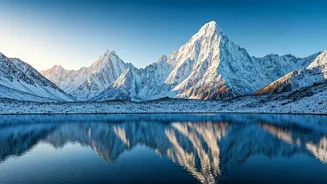
The consequences of this shift are redrawing India's domestic tourist map. While classic destinations are still popular, their peak seasons are becoming more volatile. A traditional summer vacation spot may see bookings plummet if a heatwave is forecast. Meanwhile, lesser-known towns in states like Himachal Pradesh, Uttarakhand, and even parts of the Western Ghats in the south are experiencing an unprecedented boom. These places, once considered off-season or niche, are now prime real estate for climate-conscious travelers. This creates economic opportunities for smaller communities but also brings challenges, including overcrowding, strain on local resources, and the need for sustainable tourism infrastructure. The cool-cation trend isn’t just changing where people go; it’s changing the places themselves.