




The Myth of the Heavy Meal
Let’s be honest: for many in the U.S., a night of Indian food means indulgence. We’re talking about velvety chicken tikka masala, decadent saag paneer swimming in cream, and giant, glistening pillows of garlic naan used to scoop it all up. It’s delicious,
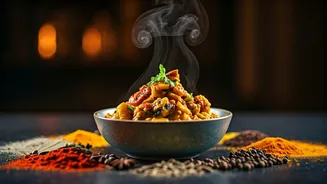
satisfying, and often followed by a feeling of being completely, immovably full. This perception isn't wrong, but it’s incredibly incomplete. What most Americans know as “Indian food” is derived primarily from North Indian, specifically Punjabi, restaurant cuisine. This style of cooking is often reserved for special occasions—weddings, festivals, and restaurant meals—not everyday consumption. It was designed to be rich, impressive, and celebratory. The commercial kitchens that first brought this food to the West in the mid-20th century leaned into these decadent dishes because they were crowd-pleasers. The result? A generation of diners came to equate an entire subcontinent's culinary output with a handful of heavy, cream-based dishes.
The Reality of the Home-Cooked Plate
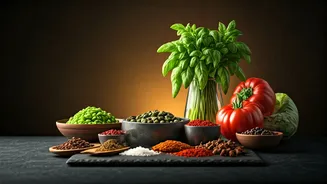
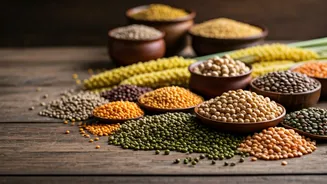
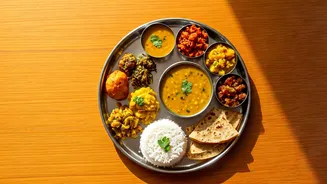
Step inside a typical Indian home, and you won’t find vats of simmering cream. Instead, you'll see a principle that modern nutritionists champion: balance. The everyday Indian meal, often served in a 'thali' (a platter with small bowls), is a masterclass in nutritional diversity and portion control. A standard plate might feature a small mound of rice or a whole-wheat flatbread (roti or chapati), a protein-packed lentil stew (dal), a seasonal vegetable dish cooked with spices (sabzi), and a cooling dollop of plain yogurt (dahi). It's a composition that is naturally high in fiber, rich in plant-based protein, and loaded with vitamins from fresh produce. Meat, if present, is often used sparingly, as a component rather than the star of the show. This framework isn't a new health trend; it’s an ancient, sustainable way of eating that prioritizes whole foods and ensures a wide array of nutrients in a single sitting.
The Power of the Spice Box
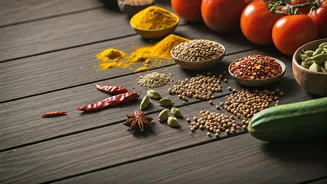
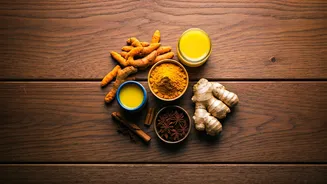
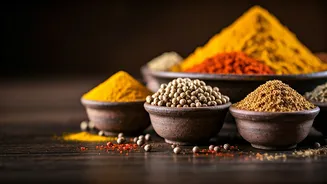
The true genius of Indian home cooking lies in the 'masala dabba,' or spice box. While we might think of spices for their flavor, in traditional Indian cooking, they are functional ingredients. It’s no coincidence that many of the core spices are also potent medicinal compounds. Turmeric, the source of that vibrant yellow color, contains curcumin, a powerful anti-inflammatory. Ginger is a well-known digestive aid, helping to soothe the stomach. Cumin is an excellent source of iron, while fenugreek has been shown to help regulate blood sugar. Coriander, cloves, and cardamom all have their own unique health-promoting properties. An Indian home cook isn't just adding flavor; they are practicing a form of preventative, food-based wellness passed down through generations. This approach sees spices not as a fancy finishing touch, but as an essential, health-boosting foundation of every meal.
Beyond the 'Curry' Monolith
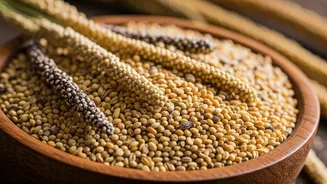
The other part of the redefinition is realizing the sheer diversity of Indian food. India is a vast country with dozens of distinct regional cuisines, each shaped by its climate, history, and local agriculture. The heavy, wheat-based dishes of the North are just one piece of the puzzle. In the coastal South, meals are lighter, often based on rice, coconut, and seafood, like steamed fish in banana leaves. In the West, you find millet-based flatbreads and an array of savory lentil cakes (dhokla). The East specializes in subtle freshwater fish curries and mustard oil preparations. What this vast spectrum reveals is a cuisine that is overwhelmingly plant-forward, seasonally driven, and adaptable. From fermented rice batters used to make dosas (a natural probiotic) to simple stir-fried vegetables, there are countless examples of dishes that are inherently light, nutritious, and a world away from the butter-laden stereotype.