


A Real-Life Alpine Eden
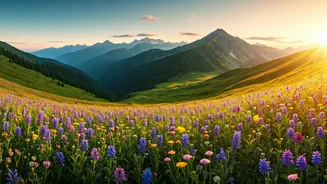
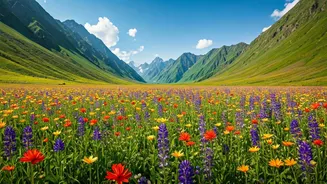
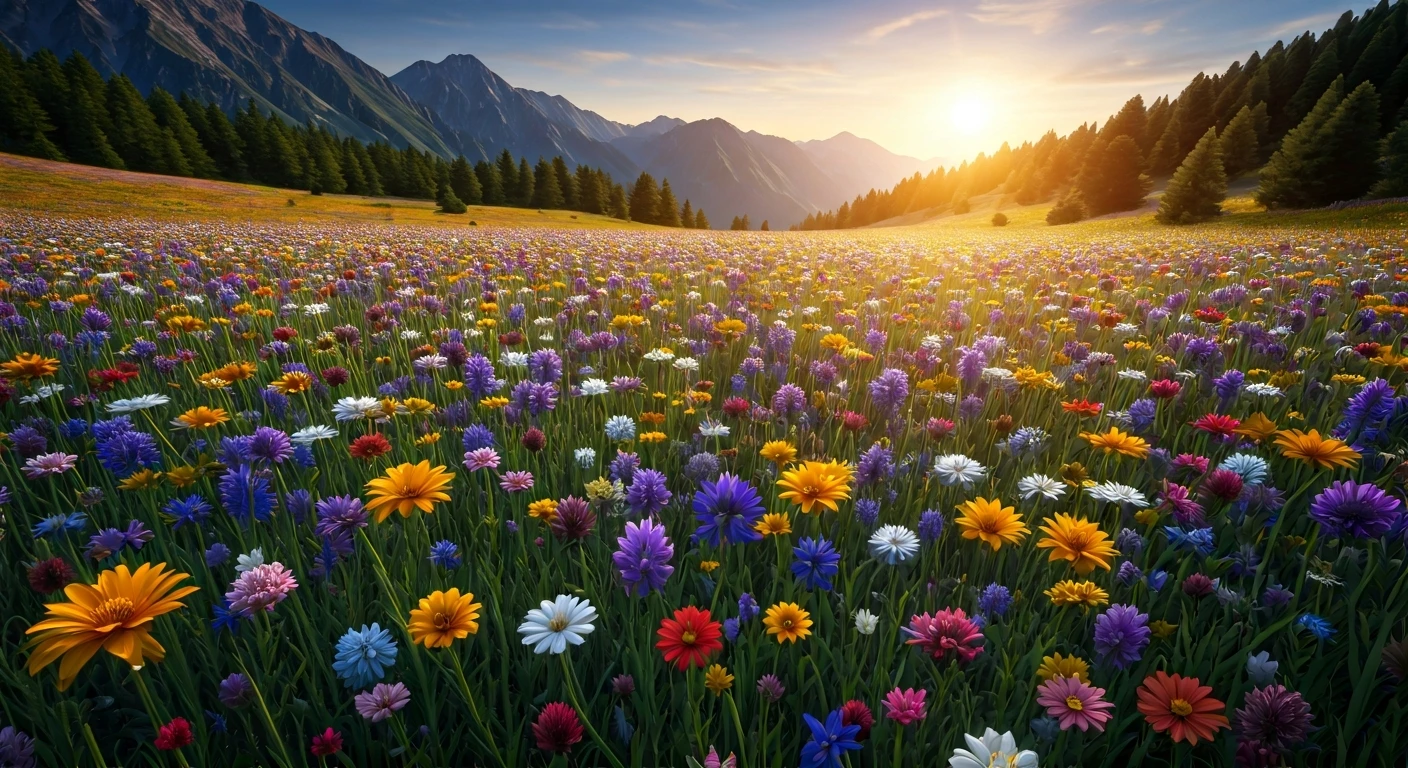
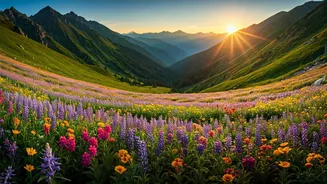
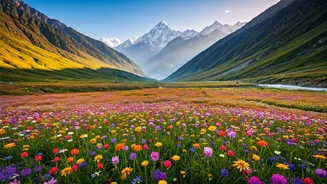
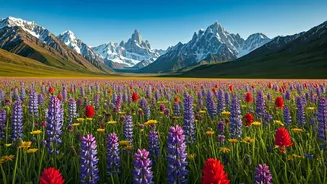
Tucked away in the state of Uttarakhand in the Western Himalayas, the Valley of Flowers is a place of almost mythical beauty. Designated a UNESCO World Heritage site, this breathtaking landscape is more than just a pretty meadow. It's a critical ecosystem,
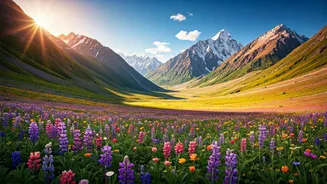
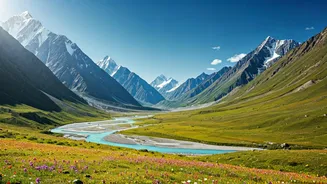
home to hundreds of species of alpine flowers, many of which are found nowhere else on earth. The valley sits at an altitude of over 11,000 feet, flanked by snow-capped peaks that create a dramatic, almost theatrical backdrop. For most of the year, it lies dormant under a thick blanket of snow. But when the ice melts, it reveals a floral spectacle that has drawn botanists, trekkers, and spiritual seekers for generations.
Why the Monsoon Is Magical Here
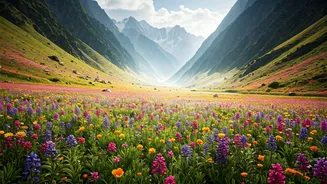
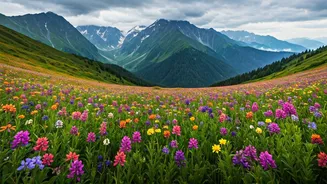
For most travel destinations, the word “monsoon” is a warning, signaling washed-out roads and relentless downpours. But for the Valley of Flowers, it’s an invitation. The rainy season, which typically runs from late June through early September, is precisely what triggers the valley’s famous “superbloom.” The constant moisture nourishes the soil and coaxes more than 500 species of flowers to life. The landscape transforms into a rolling tapestry of blues, purples, pinks, yellows, and reds. You’ll find famed species like the elusive Himalayan blue poppy, the striking cobra lily, and the sacred Brahmakamal. The clouds and mist that drift through the valley during the monsoon only add to the ethereal atmosphere, making the experience feel like walking through a dream.
The Journey Is Part of the Adventure
Reaching this remote paradise is a rewarding challenge that requires some planning and a good pair of hiking boots. The journey for most international travelers begins by flying into Delhi, then traveling to the city of Rishikesh. From there, it's a long, scenic drive to Govindghat, the starting point of the trek. The trek itself is typically done over a few days. The first leg is an 8-mile hike along a well-marked but steep path to the small village of Ghangaria, which serves as the base camp. Here, you'll find basic guesthouses and restaurants where you can rest and acclimatize to the altitude. Ghangaria is the last outpost of civilization before you enter the pristine wilderness of the park.
What to Expect on the Trail
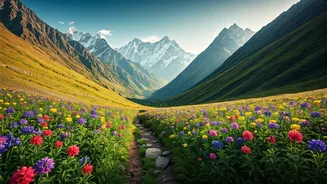
From Ghangaria, a forest department permit is required to enter the Valley of Flowers. The gate opens early, and visitors must return by late afternoon, as overnight camping is prohibited to protect the fragile ecosystem. The trek into the valley is about 2 miles, but it’s a gentle, awe-inspiring ascent. The narrow path soon opens up into the expansive, 6-mile-long valley. There’s no single trail to follow once inside; you’re free to wander through the meadows, crossing small streams and marveling at the sheer density and diversity of the blooms. The air is crisp, the only sounds are the buzzing of insects and the distant rush of waterfalls, and every turn reveals a new floral composition against the stunning mountain scenery.
Essential Tips for the American Traveler
This isn't a casual day hike, so preparation is key. A moderate level of fitness is required, as you'll be trekking for several hours a day at high altitude. Acclimatization is crucial to avoid altitude sickness; plan to spend a night in Ghangaria before heading into the valley. Pack light, but prioritize waterproof gear—a good rain jacket, waterproof pants, and sturdy, waterproof hiking shoes are non-negotiable. Accommodations in Ghangaria are very basic, so manage your expectations. Think simple rooms and functional meals, not luxury lodges. Hiring a local guide or porter is highly recommended, as they can manage logistics, share knowledge about the flora, and ensure your safety on the trail. Finally, book your travel and accommodations well in advance, as the short season makes this a popular destination.