

1. Move the Kitchen Outdoors
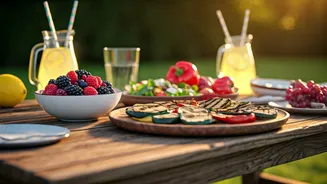
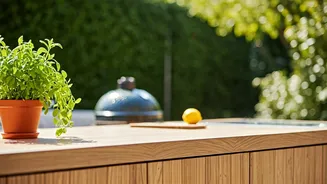
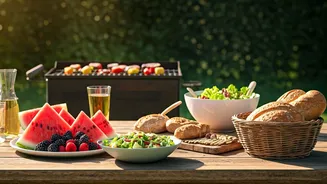
The most obvious way to avoid heating your house is to stop cooking in it. This is the grill’s moment to shine. It’s not just for burgers and hot dogs; think of it as your summer oven and stovetop. You can grill marinated chicken thighs, thick-cut pork
chops, or a whole side of salmon in minutes. Vegetable skewers with zucchini, bell peppers, and onions cook quickly and get a delicious char. You can even grill romaine lettuce for a smoky Caesar salad or throw on some sliced pineapple for a caramelized dessert. By containing the intense heat outdoors, you get all the flavor of a freshly cooked meal without turning your kitchen into a sauna.
2. Master the No-Cook Meal
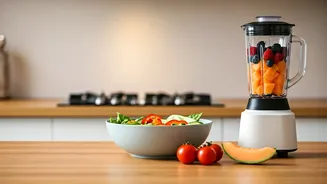
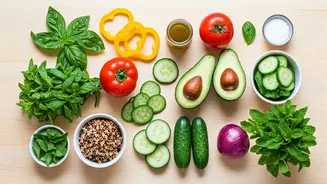
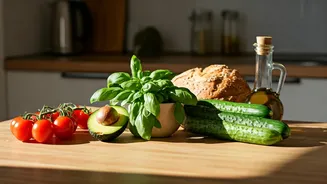
When we say “no-cook,” your mind might jump to a simple green salad, but the options are far more exciting. Think bigger. A vibrant Spanish gazpacho uses summer’s best tomatoes and cucumbers, and it comes together entirely in a blender. Latin American ceviche “cooks” fresh fish or shrimp in citrus juice, requiring nothing more than some chopping and patience. Vietnamese-style summer rolls, packed with fresh herbs, rice noodles, and pre-cooked shrimp or tofu, are assembled at the counter and served with a simple peanut dipping sauce. These meals are refreshing, sophisticated, and require zero heat.
3. Lean on Countertop Appliances
Your oven generates a tremendous amount of ambient heat, but smaller countertop appliances are far more efficient. The air fryer is a summer superstar, crisping up everything from chicken wings to frozen fries with a fraction of the heat and time of a conventional oven. The microwave is perfect for steaming vegetables or cooking potatoes without warming the whole room. Even the Instant Pot, while it does generate some steam, is well-insulated and can cook grains, beans, or a whole pot roast without radiating heat for hours like a stove or oven would. Use these tools strategically to keep your kitchen comfortable.
4. Embrace the 15-Minute Skillet
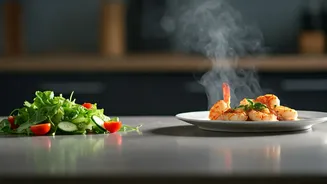
If you must use the stovetop, make it fast and effective. The goal is to minimize the time you spend standing over a hot burner. A high-heat sear is your best friend. Thinly sliced steak for tacos, shrimp scampi, or a simple chicken stir-fry with pre-chopped veggies can all be cooked in a single skillet in under 15 minutes. The key is having all your ingredients prepped and ready to go *before* you turn on the flame. This “mise en place” approach ensures you’re cooking for the shortest time possible, delivering a hot meal with minimal lingering kitchen heat.
5. Assemble, Don't Cook
This strategy relies on smart shopping. By using high-quality, pre-cooked ingredients as your building blocks, you can assemble incredible meals without any real “cooking.” A store-bought rotisserie chicken is the ultimate shortcut. Shred it for chicken salad sandwiches, add it to a bed of greens with your favorite dressing, or wrap it in a tortilla with avocado and salsa. Canned tuna or salmon can be transformed into a quick pâté or mixed with white beans and herbs. Use pre-cooked grains like quinoa or farro as a base for a hearty bowl topped with canned chickpeas, feta cheese, and a lemon-tahini dressing.
6. Cook Once, Eat Cold for Days
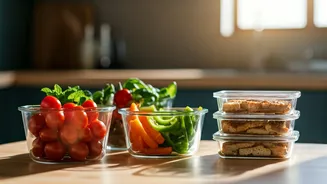
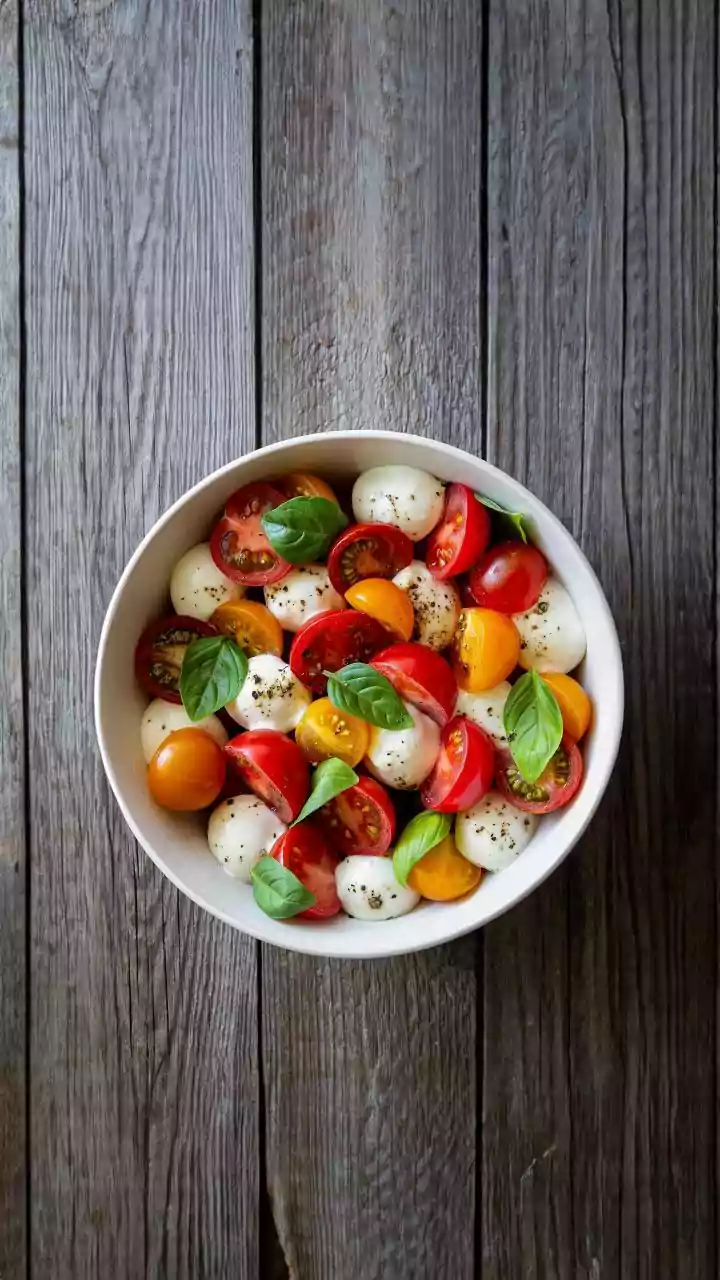
If you have one cooler evening or an early morning with a bit of energy, use it to your advantage. Make a big batch of something that tastes just as good—or even better—cold. A classic pasta salad loaded with vegetables, cheese, and a vinaigrette is a perfect example. A large pot of quinoa or a batch of hard-boiled eggs can become the foundation for several days of easy lunches and light dinners. The same goes for grilling: if you’re firing it up anyway, cook extra chicken breasts or sausages. Sliced and chilled, they’re perfect for topping salads or making sandwiches later in the week.