





The Search for Something Real
For a while, it seemed like the perfect night in was the only night we had. We streamed, we swiped, we perfected our sourdough starters. But as cities reopened, a collective craving emerged for something that couldn’t be curated by an algorithm: raw,
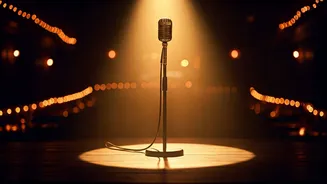
live, unscripted human connection. Enter the local comedy club. More than just a place to hear jokes, these venues have become ground zero for the post-pandemic social renaissance. After years of watching polished Netflix specials alone on the couch, audiences are flocking to see comedy in its natural habitat—where jokes can bomb, where a heckler can (briefly) derail a show, and where the energy of a laughing crowd is a tangible force. This isn't just entertainment; it's a communal experience, a shared gamble that for the next 90 minutes, anything can happen. The appeal isn't just the laughter itself, but the thrill of being in a room where spontaneity is the main event.
An Affordable Antidote to an Expensive Night
Let’s be honest: going out is expensive. A concert can set you back hundreds, a round of craft cocktails can rival a car payment, and even dinner for two feels like a major financial decision. In this landscape, the humble comedy show has emerged as an economic oasis. For a cover charge that’s often less than the price of a movie ticket, you get a full evening of entertainment. The classic two-drink minimum, once seen as a gimmick, now feels like a structured, reasonable price for a night on the town. This affordability has democratized the weekend. It allows for spontaneity—you can decide to go to a show on a whim without blowing your budget. It’s a low-risk, high-reward proposition. At worst, you hear a few bad jokes and have a couple of drinks. At best, you discover your new favorite comedian and leave with your face hurting from laughter, all without the financial hangover that often accompanies a big night out.
The New Neighborhood Gathering Place
In an era of increasing social atomization, comedy clubs are quietly becoming the new “third place”—that essential spot outside of home and work where community is built. They are smaller and more intimate than stadiums or theaters, fostering a sense of shared discovery. You might see the same faces week after week, transitioning from anonymous audience members to familiar parts of the local scene. The comics are often local, too, riffing on neighborhood-specific absurdities that you won't hear in a national tour. This creates a powerful feedback loop: the audience feels seen, and the comedians feel supported. These aren't sterile performance halls; they’re often cramped, dimly lit rooms where the barrier between performer and audience is wonderfully thin. It feels less like a performance and more like a gathering of witty friends in someone’s very large, very public living room.
A Stage for Every Voice
The comedy boom isn't just happening in major entertainment hubs like New York and Los Angeles. It's flourishing in Des Moines, in Austin, in Raleigh, and in countless other cities. This geographic and cultural diffusion has brought with it an explosion of diverse voices. Today’s open mics and showcases are more likely than ever to feature a lineup that reflects the true makeup of a city. Comics from different backgrounds, generations, and life experiences are taking the stage, offering perspectives that go far beyond the traditional stand-up tropes. For audiences, this means the comedy feels fresher and more relevant. You’re not just laughing at universal observations; you’re gaining a window into someone else’s world. This variety ensures the scene stays dynamic and prevents the kind of cultural stagnation that can make a city’s nightlife feel predictable and, well, dead.