

From Necessity to Aesthetic Choice
Let’s be honest: for many Americans, especially in urban centers, living in a smaller footprint isn’t a choice—it’s an economic reality. Rising housing costs and a competitive rental market mean that square footage is a premium luxury. For years, the
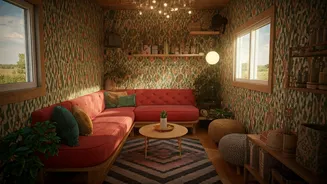
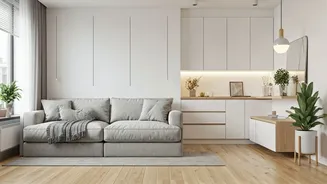
design advice for these spaces was defensive, focused on trickery and illusion. The goal was always to make the space look ‘bigger,’ using a bland palette of whites and beiges, diminutive furniture, and mirrors placed just so. It was about apologizing for the lack of space, not celebrating the space itself. But a significant cultural shift is underway. What began as a necessity is blossoming into a full-blown aesthetic movement. Homeowners and renters are rejecting the idea that small means temporary or inferior. Instead, they’re embracing the creative challenge of it, viewing their compact homes as ‘jewel boxes’—concentrated spaces where every single item can be intentional, beautiful, and deeply personal. This move is partly fueled by a broader interest in sustainability and anti-consumerism; living with less stuff in a smaller space is not only practical but also feels more responsible.
The New Rules of Small-Space Style
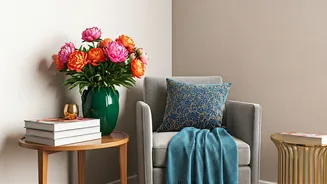
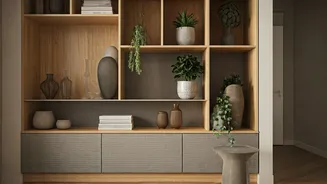
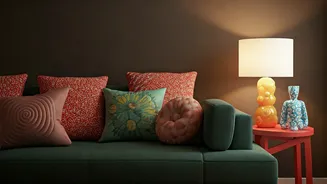
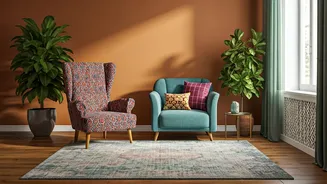
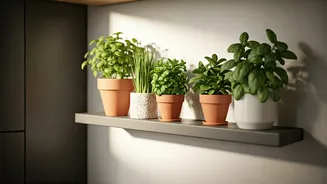
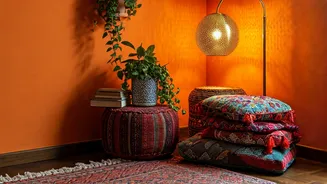
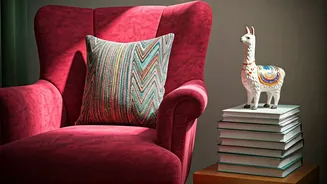
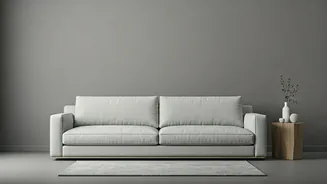
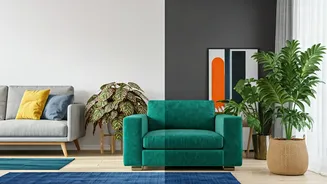
The old rulebook for small spaces has been tossed out. The new philosophy isn’t about making a room look bigger; it’s about making it feel grander, more vibrant, and more like you. Forget the fear of dark colors. A deep navy blue or a rich forest green can create a cozy, enveloping atmosphere that feels sophisticated and deliberate, not cramped. Instead of scattering tiny, leggy furniture around the perimeter, designers are advocating for fewer, better pieces. One properly scaled, comfortable sofa makes a bigger impact and is more functional than a collection of undersized chairs. This is also the era of ‘maximalist minimalism.’ It’s not about clutter, but about curated collections. People are using their walls as galleries, hanging art salon-style from floor to ceiling. They’re layering textures—velvet, linen, wool—to add depth and warmth. The focus has shifted from hiding your life away in clever storage solutions to displaying it with pride. A beautiful stack of books on the floor or a collection of ceramic mugs on open shelving isn't clutter; it's character.
The Rise of the Specialist Economy
The market is finally catching up. For years, furniture shopping for a small apartment meant a frustrating search for pieces that would physically fit, often at the expense of style or quality. Now, major retailers and direct-to-consumer brands are designing entire collections for ‘apartment living.’ You can find elegant, modular sofas that can be reconfigured, chic dining tables that comfortably seat four without dominating a room, and beautifully designed storage that doubles as a statement piece. Social media has also played a massive role. Designers who specialize in transforming 500-square-foot studios into stunning, livable homes have become influencers with huge followings on platforms like Instagram and TikTok. They provide a constant stream of inspiration, proving that you don’t need a sprawling suburban house to have a magazine-worthy interior. This visibility has democratized design, giving everyday people the confidence and the ideas to tackle their own small spaces with flair.
Embracing the Vertical and the Versatile
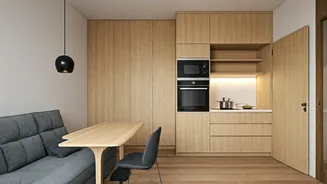
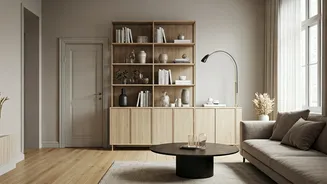
So, how can you lean into this moment? The key is to think differently about your space. Look up. Your vertical space is one of your greatest assets. Floor-to-ceiling bookshelves not only provide immense storage but also draw the eye upward, creating a sense of height and drama. A well-placed pendant light can define a ‘room’ within a room, like a dining area in an open-plan studio. Functionality is still king, but now it wears a crown of style. A beautiful ottoman might have hidden storage inside. A sleek console table behind a sofa can also serve as a work-from-home desk. The goal isn’t to find furniture that folds away into nothingness, but to choose pieces that serve multiple purposes without compromising on form. It’s about investing in your environment, no matter its size, and creating a home that supports your life while also bringing you joy every time you walk through the door.