






The Search for Stripes
In Ranthambore National Park, a sprawling expanse of arid forest and serene lakes in Rajasthan, India, the hunt is for a glimpse of royalty. Not the human kind, but the four-legged, orange-and-black-striped kind. Ranthambore is one of the premier places
on Earth to see the Bengal tiger in its natural habitat, and a safari here is an exercise in focused patience. Guides with impossibly sharp eyes scan the undergrowth, listening to the jungle's intricate telegraph system. The sharp, panicked cry of a langur monkey from a treetop or the frantic dash of a sambar deer are clues—a predator is on the move. The drama builds slowly, a thriller unfolding in real time. For many visitors, the ultimate prize is a photograph, a memory of a magnificent cat slinking through the grass. But in Ranthambore, the background of that photo is often just as compelling as the subject.
A Fortress in the Forest
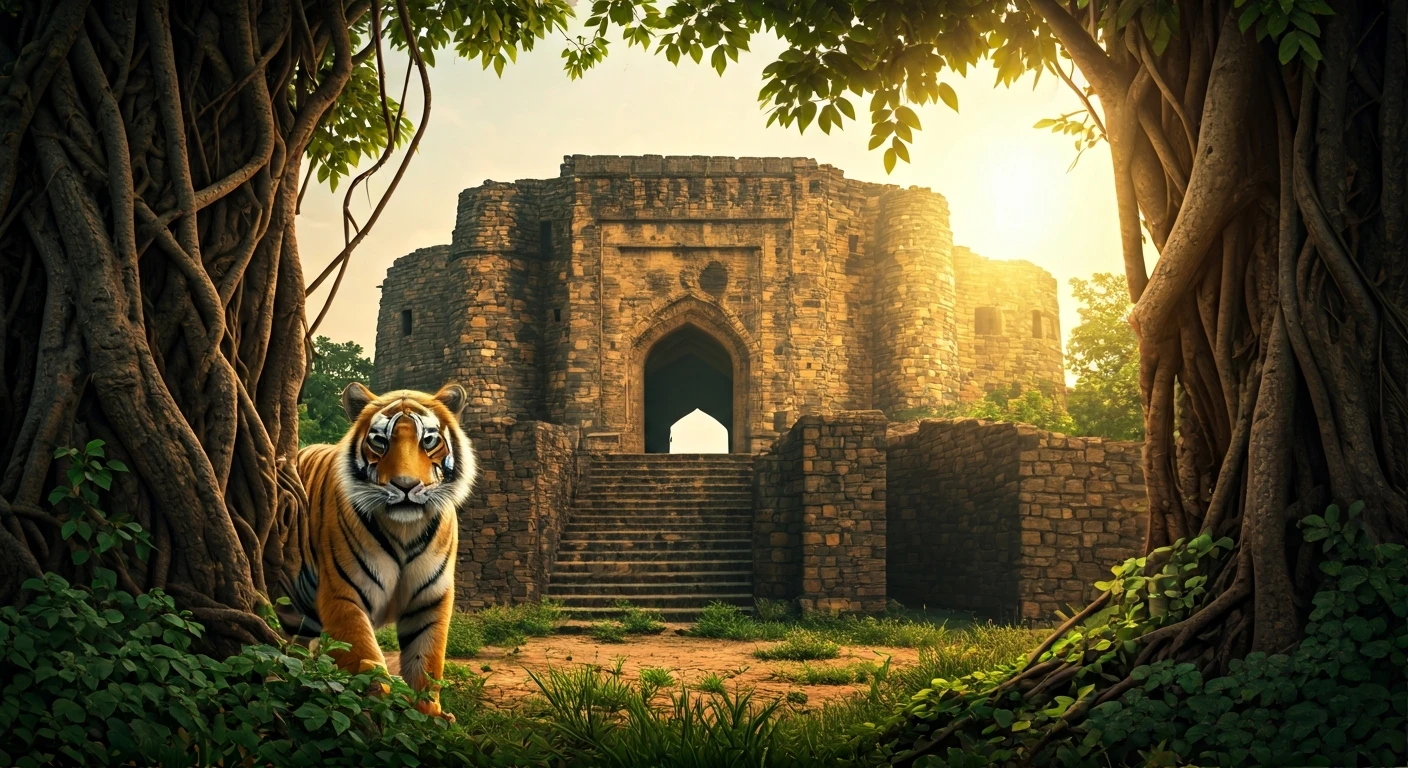
Just as your eyes adjust to scanning the forest floor for paw prints, the landscape presents a jarring, breathtaking sight: a colossal stone fortress rising from a 700-foot cliff in the heart of the park. This is not some distant ruin on the horizon; it is an integral part of the terrain. This is Ranthambore Fort, a UNESCO World Heritage site whose origins trace back to the 10th century. Its formidable walls, dotted with bastions, gates, and crumbling palaces, snake across the clifftop. Ancient temples, some still in use, stand within its perimeter. Seeing it for the first time feels like stumbling upon a lost city from an Indiana Jones film. It's a powerful reminder that this wild land was once the fiercely contested domain of Rajput kings.
Where Kings and Tigers Roamed
The history contained within these walls is as dramatic as any jungle encounter. For centuries, the fort was a strategic stronghold, coveted by rulers from the local Chauhans to the Mughals of Delhi. It withstood sieges, witnessed epic battles, and served as the seat of a powerful kingdom. The human drama played out here was one of power, conquest, and resilience. The fort’s elevated position offered a commanding view of the surrounding hunting grounds—a landscape that has changed remarkably little. The very forests that once served as the private hunting preserve for maharajas are now the protected sanctuary for the tigers who have inherited this kingdom. The legacy of human royalty has faded into stone, replaced by the vibrant presence of the jungle’s true apex predator.
A Kingdom Shared
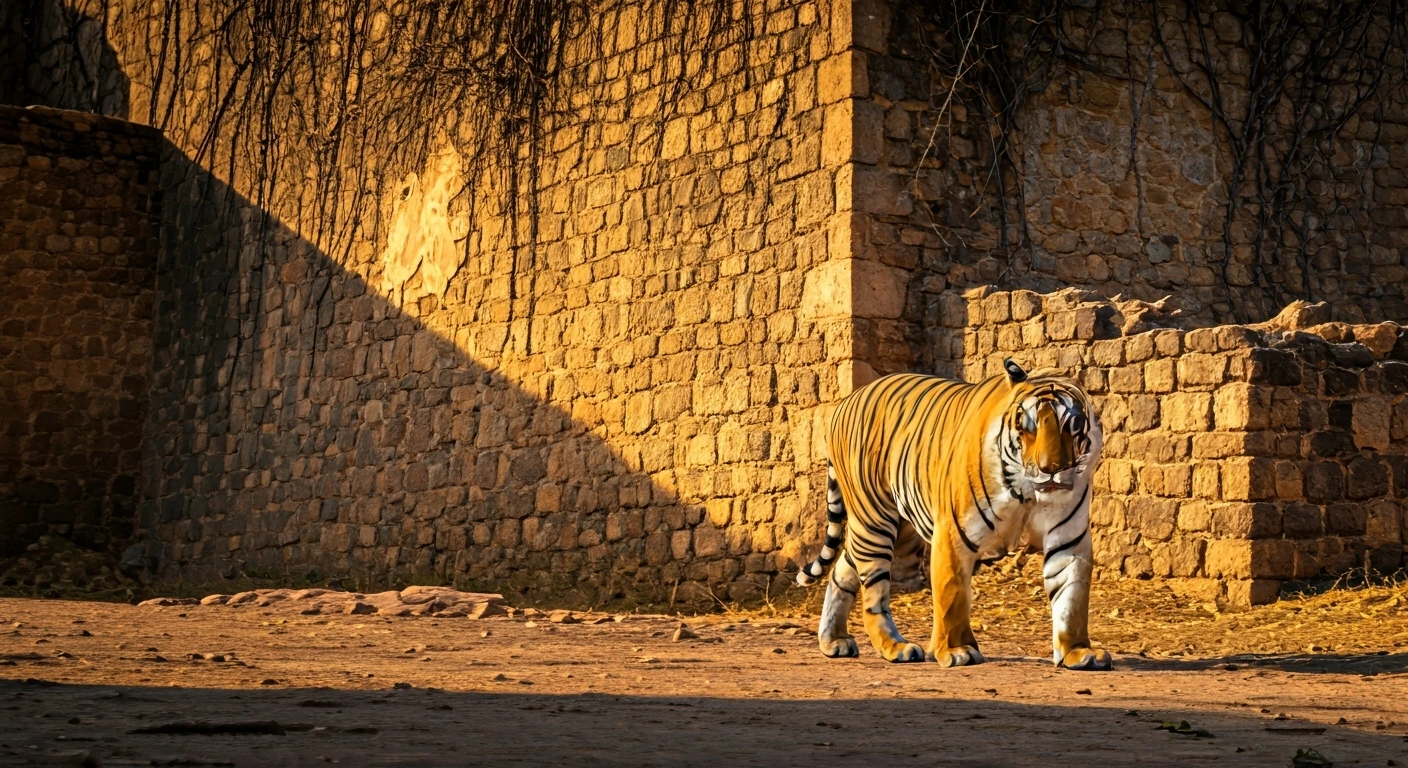
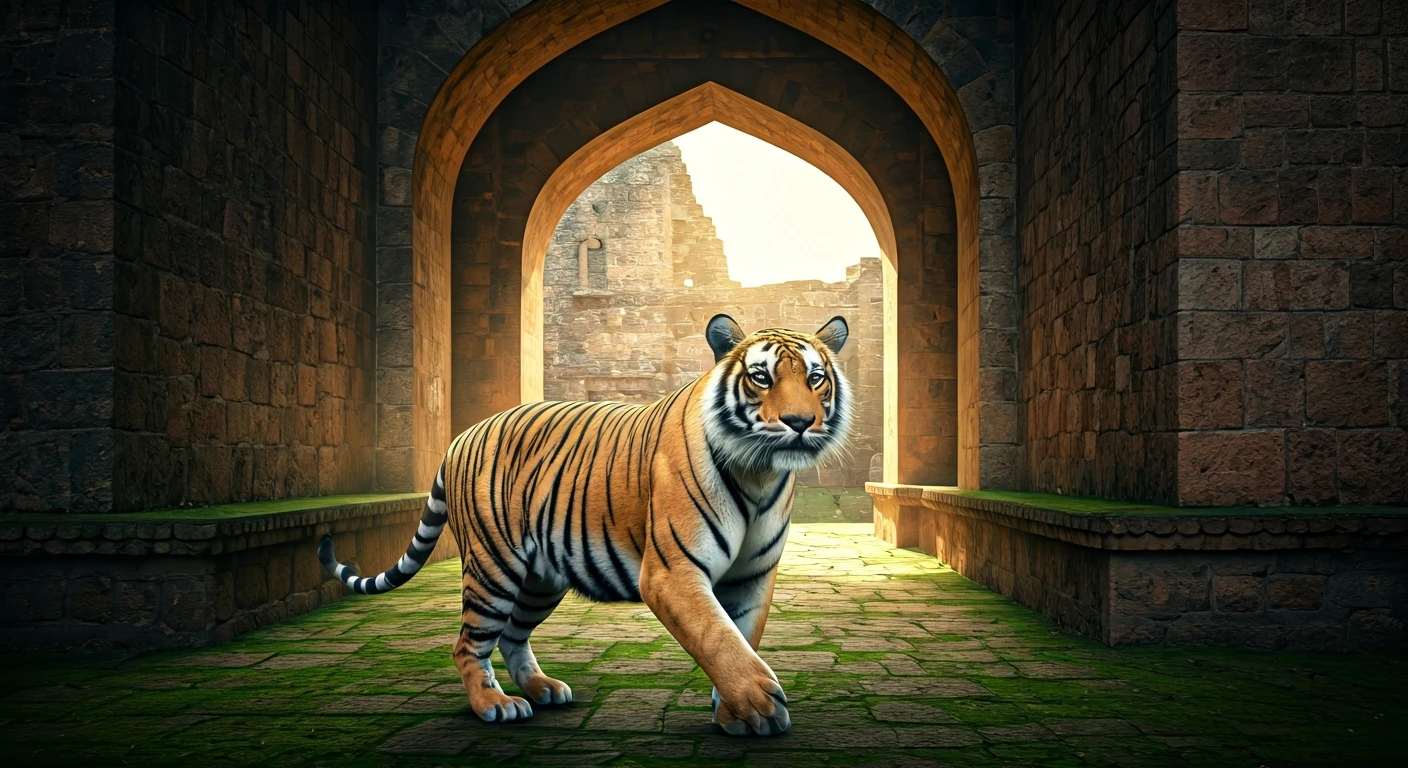
What makes Ranthambore utterly unique is how these two worlds—ancient history and raw nature—have merged. This isn't a case of a park simply existing around a monument. Here, the tigers have claimed the fort as their own. It’s not uncommon for a safari to lead you through the fort's ancient gateways, searching for a tiger lounging on a sun-warmed parapet or a cub playing in the courtyard of a forgotten palace. Photographers have captured iconic images of tigers framed by ornate archways, their wildness a stark and beautiful contrast to the silent, man-made stone. The ruins are not just a backdrop; they are part of the habitat. They provide shade, cover, and excellent vantage points for hunting. In Ranthambore, the tigers are the new monarchs, holding court in the abandoned palaces of the old.