



A Legume with Deep Roots
Before there were green beans, before chickpeas were a pantry staple, there were favas. Also known as broad beans, they are one of the oldest cultivated plants in human history, with evidence of their consumption dating back to the Neolithic period in the Middle
East. They were a dietary cornerstone for ancient Egyptians, Greeks, and Romans, valued for their ability to thrive in poor soil and provide substantial protein. For millennia, they were the primary bean of the Old World, a source of sustenance that fueled civilizations. Unlike the “New World” beans that arrived in Europe after 1492 (like kidney, black, and pinto beans), favas have a history woven deeply into the fabric of Mediterranean, North African, and Asian cuisines. This is the “global energy” the headline hints at—a food with a truly epic story.
So, What's the Big Deal?
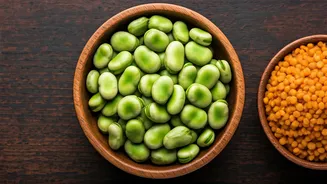
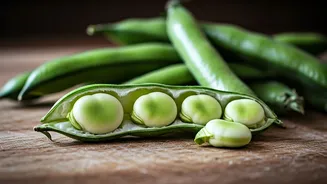
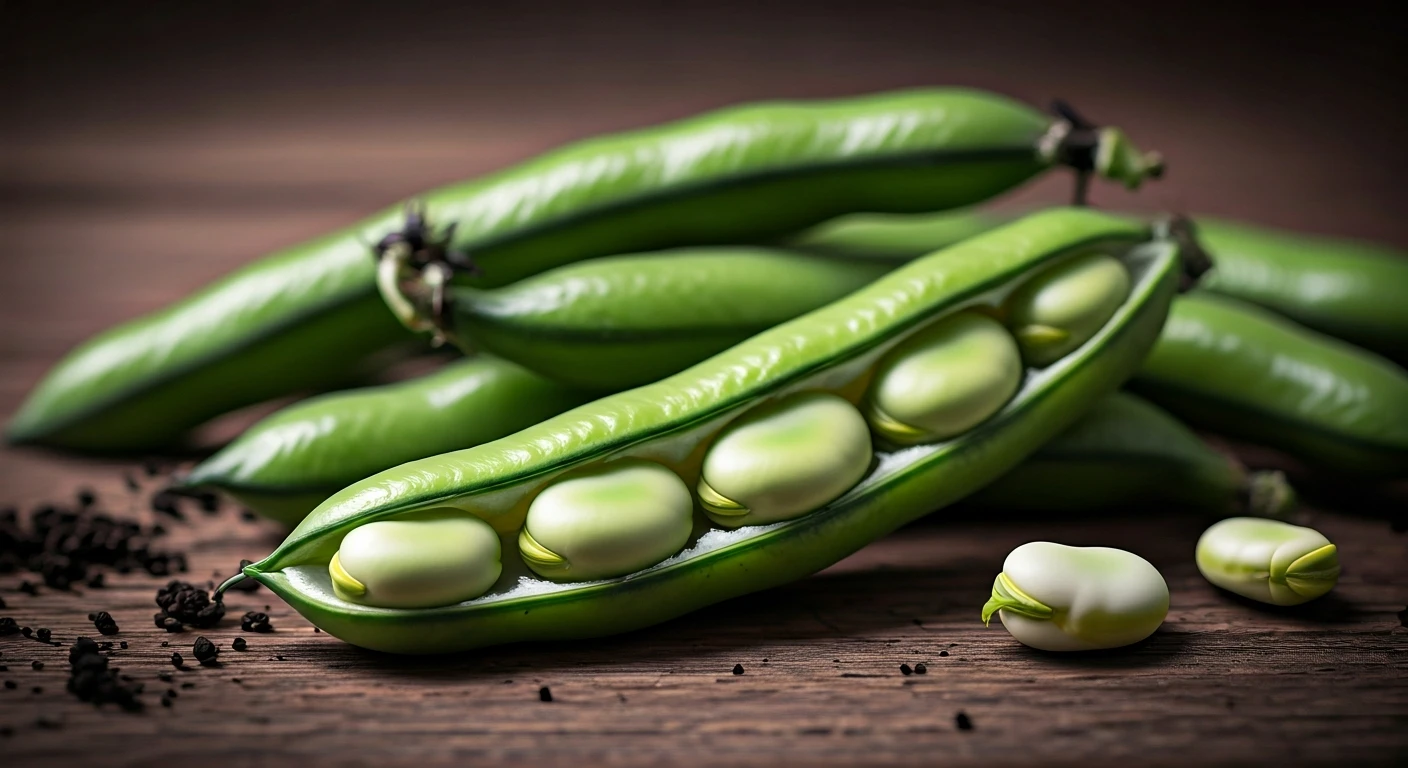
At first glance, favas can seem intimidating. Their large, puffy pods hide beans encased in a second, waxy skin. Yes, this means they often require double-shelling: once to get them out of the pod, and a second time after a quick blanch to remove the individual skin from each bean. But don't let that deter you. This process, often framed as a chore, can be a meditative kitchen ritual. And the reward is immense. A perfectly prepared fava bean is a revelation. It’s not starchy or mealy like some of its cousins. Instead, it’s tender, creamy, and bursting with a fresh, nutty, and slightly sweet flavor that tastes like the essence of spring. Its vibrant green color alone is enough to brighten any dish. It’s a vegetable that asks for a little bit of effort but pays you back tenfold in flavor and texture.
The Nutritional Powerhouse
Beyond their sophisticated flavor, fava beans are a nutritional champion. They are packed with plant-based protein and fiber, making them incredibly satiating. They’re also a fantastic source of folate, a B-vitamin crucial for cell growth, as well as manganese, copper, and iron. This nutritional density is why they were so vital to ancient diets, providing a robust source of energy and nutrients long before modern supplements existed. For modern Americans looking to incorporate more plant-forward meals into their diet, fava beans offer a compelling combination of hearty satisfaction and clean, powerful nutrition that few other vegetables can match.
From Cover Crop to Center Stage
For years, fava beans in the U.S. were primarily known in agricultural circles as a fantastic “cover crop.” Farmers plant them in the off-season because their long roots break up compacted earth and, as a legume, they are nitrogen-fixers—they pull nitrogen from the air and deposit it into the soil, naturally enriching it for the next cash crop. But as American palates have grown more adventurous and the farm-to-table movement has championed local, seasonal produce, the fava bean is transitioning from a soil-helper to a star ingredient. Chefs love them for their versatility and elegance, and as more farmers realize there’s a market for the beans themselves, they are becoming increasingly common at farmers’ markets and even in some well-stocked grocery stores during their peak season from late spring to early summer.
Bringing Fava Energy Home
Ready to give them a try? Look for pods that are firm, green, and feel relatively full. To prepare them, start by removing the beans from the main pod. Then, blanch the beans in boiling water for about 30 seconds, immediately transferring them to an ice bath. This makes the outer skin easy to remove. A small nick with your fingernail is all it takes to pop the bright green bean out of its pale jacket. From there, the possibilities are endless. Keep it simple: toss the shelled favas with good olive oil, a crumble of pecorino cheese, fresh mint, and a squeeze of lemon. Mash them with garlic and oil for a vibrant spread to smear on toast. Or fold them into pasta, risotto, or a fresh spring salad for a pop of color, protein, and unparalleled flavor.