




What Is the ‘Bloom Window’?
The “bloom window” refers to the brief, unpredictable period when vast landscapes of wildflowers burst into bloom simultaneously. While many places have reliable spring flowers, this term usually describes more dramatic, ephemeral events. The most famous
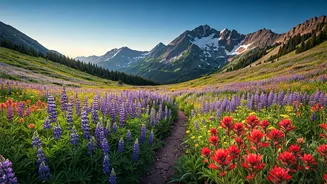
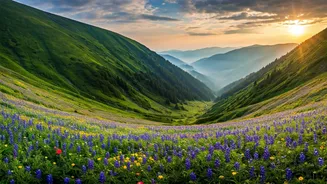
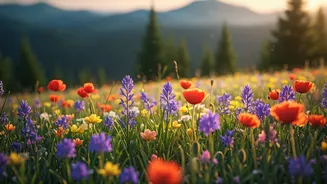
is the desert “superbloom,” a phenomenon that typically occurs in arid regions of California, Arizona, and the Southwest after an unusually wet winter. The rain coaxes millions of dormant seeds to life, carpeting the sandy, rocky terrain in a sea of orange poppies, purple lupine, and yellow desert gold. A similar, though more regular, spectacle happens at high altitudes in mountain ranges like the Rockies or the Sierra Nevada, where alpine meadows erupt in color as the winter snowpack melts.
The Race Against Time
The allure is amplified by the urgency. A true superbloom is not an annual event; it might happen only once a decade in a specific location. Even in a good year, the peak bloom is incredibly fragile and short-lived. A sudden heatwave can cause flowers to wither in days. A late-season frost in the mountains can halt a bloom in its tracks. This fleeting nature is precisely why trekkers are “eyeing” the window so intently. They monitor rainfall totals all winter and follow reports from park rangers and online communities. By the time a bloom is officially announced, the clock is already ticking, creating a mad dash for nature lovers to witness the spectacle before it vanishes.
Where the Magic Happens
While conditions vary year to year, several U.S. locations are famous for their potential. For desert superblooms, Anza-Borrego Desert State Park and Death Valley National Park in California are legendary. The Carrizo Plain National Monument can transform into a vast canvas of yellow and purple. In Texas, the bluebonnet season turns the Hill Country into a postcard. For alpine flowers, hikers flock to the trails around Crested Butte, Colorado—the state's official “Wildflower Capital”—in July and August. Similarly, the meadows of Mount Rainier National Park in Washington become a painter's palette of color in late summer. The key is that no single spot is guaranteed, making the chase part of the adventure.
How to Responsibly Plan Your Trip
Seeing a bloom requires more than just luck; it requires planning and respect. First, monitor official sources. Check the websites and social media pages of national and state parks for the most accurate, up-to-date bloom status. Many parks now run wildflower hotlines or dedicated web pages. Second, be prepared for crowds and limited services. A popular bloom can attract thousands of visitors, leading to traffic jams and full parking lots. Go on a weekday if possible, start early, and pack plenty of water, food, and sun protection. Finally, book accommodations far in advance or be prepared to camp, as nearby towns fill up quickly.
The Golden Rule: Leave No Trace
The explosion in popularity of these events has put immense strain on the very ecosystems that create them. The single most important rule is to practice Leave No Trace principles. This means staying on designated trails at all times. Walking or lying in a field of flowers for a photo can crush dozens of plants, damage the soil, and prevent them from producing seeds for future blooms. Do not pick the flowers. As the saying goes, “Don’t doom the bloom.” The goal is to leave the landscape exactly as you found it, ensuring that this fragile, beautiful spectacle can be enjoyed by others and can repeat itself in the years to come.