


The Burnout Backlash
For years, the career narrative for many young Americans was built on a foundation of 'hustle culture.' The implicit deal was to work punishingly long hours in exchange for financial rewards and a few precious weeks of vacation. Those vacations often
became high-pressure attempts to decompress, cramming a year's worth of relaxation and adventure into seven frantic days. The result was often a return to the office feeling more exhausted than before the trip began. The pandemic served as a powerful, unexpected circuit breaker. Forced to slow down and work from home, many professionals had the time and space to question the sustainability of this cycle. The 'Great Resignation' and the ongoing conversation around 'quiet quitting' are symptoms of this larger reassessment. People are no longer willing to sacrifice their well-being for a job that consumes their life, and that change in mindset is directly impacting how they choose to travel. Instead of a short, sharp escape from a life they dislike, they're seeking to build a life that doesn’t require escaping from.
Redefining the 'Long Trip'
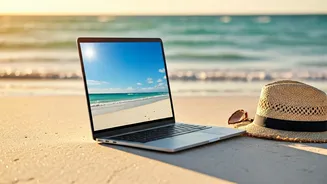
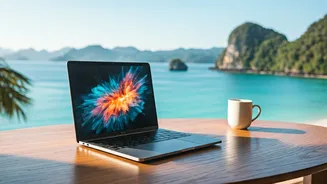
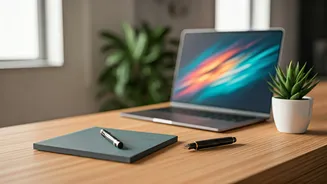
When we talk about looking 'beyond short trips,' it doesn't just mean booking a two-week vacation instead of one. The trend encompasses a variety of travel styles that prioritize depth over breadth. One of the most prominent is the 'workation'—traveling to a new destination for an extended period, working remotely during the day, and exploring in the evenings and on weekends. This isn't a vacation in the traditional sense, but a temporary relocation that blends professional responsibility with personal discovery.
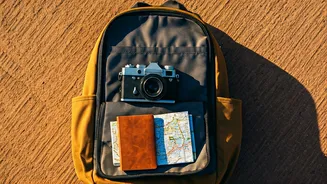
Another is 'slow travel.' This approach rejects the checklist-driven tourism of the past. Instead of trying to see five cities in ten days, a slow traveler might spend a month in a single neighborhood, getting to know local shopkeepers, mastering a few phrases of the language, and finding the best coffee shop that isn't in the guidebook. This form of travel is less about sightseeing and more about 'life-seeing'—experiencing the daily rhythm of a different culture.
The Remote Work Catalyst
None of this would be possible on a large scale without the widespread adoption of remote and hybrid work. Before 2020, the 'digital nomad' lifestyle was a niche reserved for a handful of freelancers and tech entrepreneurs. Today, with millions of Americans untethered from a physical office, the dream of working from a balcony in Lisbon or a cafe in Mexico City is a practical reality. Companies, eager to attract and retain top talent, have become increasingly flexible. As long as the work gets done and deadlines are met, many employers are less concerned with where their employees are logging in from.
This newfound geographic freedom has fundamentally altered the calculus of travel. A month-long stay in a foreign country is no longer a career-pausing sabbatical that requires extensive savings. With a steady paycheck still coming in, a young professional can afford to rent an apartment, pay for groceries, and live like a local for a fraction of what a similar-length traditional vacation would cost.
A Search for Connection and Authenticity
Ultimately, this shift is driven by a deeper, more human desire for meaning and connection. After years of curated Instagram feeds and performative travel, many are feeling a sense of emptiness with conventional tourism. Racing through the Louvre just to get a photo of the Mona Lisa or waiting in line for a 'grammable' brunch spot feels increasingly hollow.
Longer stays offer the antidote: authenticity. They provide the time to build genuine relationships, whether with local residents or fellow long-term travelers. They create opportunities for spontaneous discovery, free from the pressure of a rigid itinerary. By shedding the identity of 'tourist' and embracing that of 'temporary resident,' young professionals are finding a more rewarding and transformative way to see the world. It’s a move away from travel as a form of consumption and toward travel as a form of personal growth.