





From Panic to Proactive Care
The “plant parent” phenomenon has brought immense joy and a touch of nature into millions of American homes. But it has also created a new kind of domestic anxiety. We watch our leafy dependents for any sign of distress, scrolling through forums at midnight,
convinced a slightly droopy stem is a sign of imminent doom. This reactive cycle is exhausting. The antidote is shifting your mindset from a rescuer to a cultivator. Healthy plants aren't just ones that survive; they're ones that are actively managed. Pruning is the most powerful, and perhaps most feared, tool in that management toolkit. It’s not a punishment for a “bad” plant; it's a routine part of encouraging a good one to be even better.
Why Pruning Is an Act of Love
Think of pruning as a strategic haircut for your plant. Far from being an act of violence, it’s a biological necessity for many species to thrive indoors. When you snip a plant, you’re doing several things at once. First, you’re removing dead or dying foliage (like those yellow leaves) that the plant is spending energy trying to support. This redirects that energy toward new, healthy growth. Second, you’re often stimulating branching. Cutting a main stem encourages the plant to grow two new ones from the “nodes” below the cut, resulting in a fuller, bushier appearance instead of a leggy, sparse one. Finally, selective trimming improves air circulation around the leaves, which can help prevent common fungal issues and pests who love stagnant, crowded conditions. It’s an investment in your plant’s long-term health and beauty.
The Right Tools for the Job
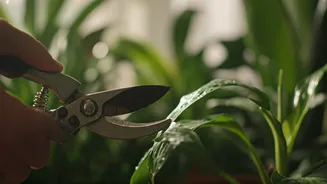
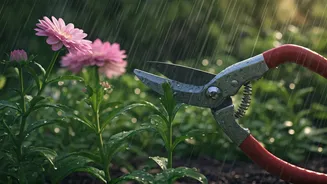
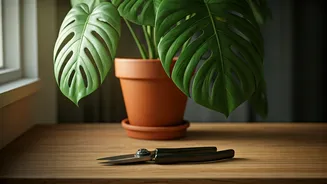
You don't need a professional horticultural kit, but putting away the kitchen scissors is a good first step. Using dull or dirty tools can crush plant stems instead of cutting them cleanly, and can introduce bacteria. All you really need are two key items. First, a pair of sharp, clean bypass pruners or snips. “Bypass” pruners have two blades that pass by each other like scissors, making a clean cut without crushing the stem. For smaller, more delicate houseplants, a pair of floral snips or even sharp craft scissors will do. Second, rubbing alcohol. Before and after you prune, wipe your blades down with a cotton ball soaked in rubbing alcohol. This simple step sterilizes the tool and prevents the spread of any potential disease from one plant to another. That's it. You're now more equipped than 90% of casual plant owners.
How to Make the First Cut
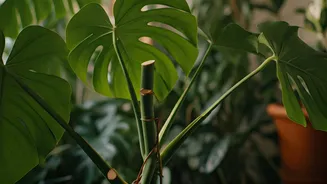
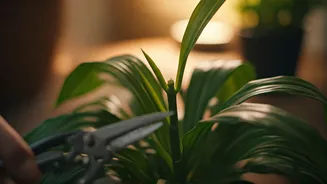
The idea of making that first snip can be intimidating. Follow these simple rules. First, identify your goal. Are you removing a dead leaf, shortening a long vine, or encouraging bushiness? For dead or yellow leaves, you can simply snip the leaf’s stem as close to the main plant stalk as possible. To shorten a leggy vine on a plant like a pothos or philodendron, find a “node”—the small bump on the stem where a leaf grows. Make your cut about a quarter-inch above a node. This is where new growth will emerge. To encourage a ficus or other branching plant to become fuller, trim the top few inches off its main stems, again cutting just above a node or leaf set. Never remove more than one-third of the plant's total mass at one time. A little goes a long way. Start small. Snip one yellow leaf. Shorten one long vine. You’ll see that the plant doesn’t just survive; it responds with vigor.