



The Air Fryer's Golden Age
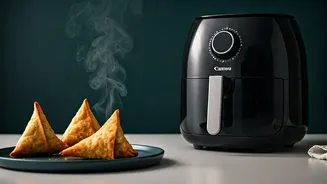
At the heart of the oil-free snack movement is a single, transformative kitchen appliance: the air fryer. Once a novelty, it’s now a countertop staple in millions of American homes, particularly those of younger consumers. Its genius lies in convection
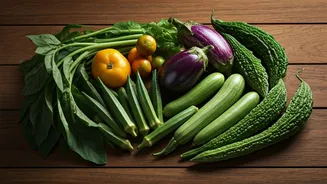
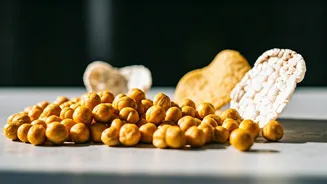
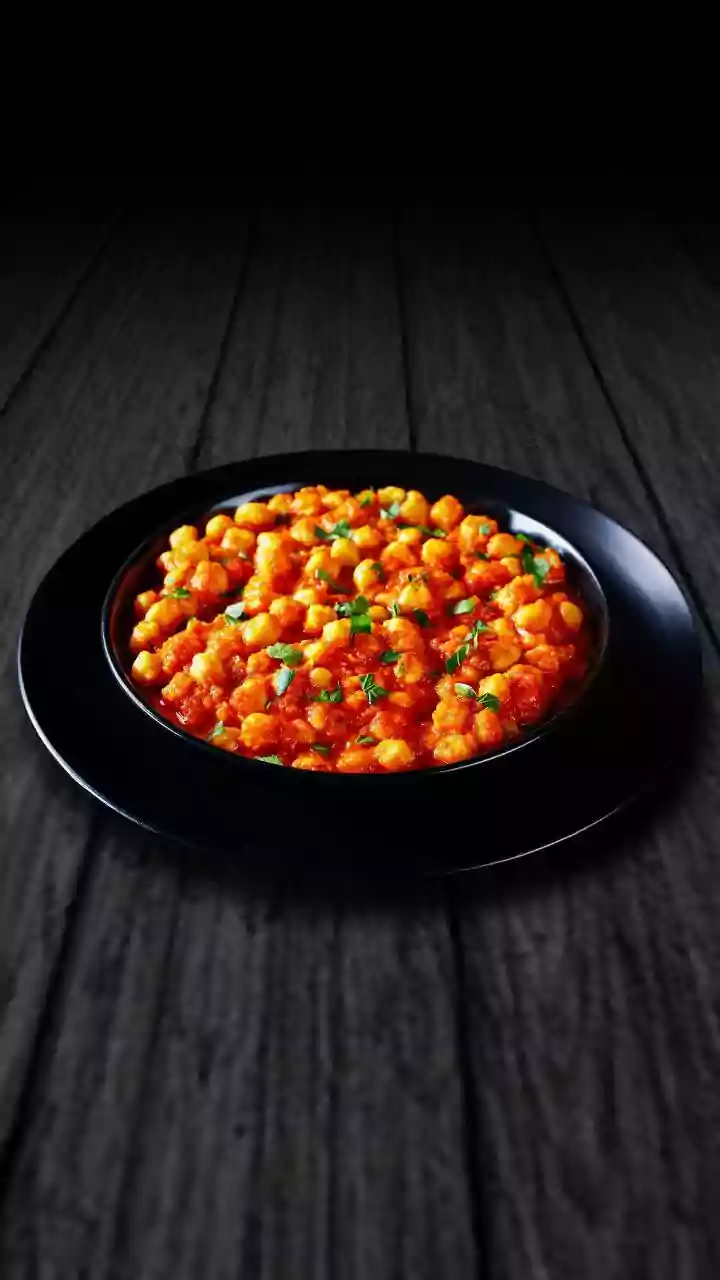
technology—circulating superheated air to create a crisp, golden-brown exterior that mimics deep frying, all without submerging food in oil. This technological leap has unlocked a new world of snacking possibilities. Foods that were once destined to be steamed or roasted into submission can now achieve a satisfying crunch with little to no oil. For a generation that values speed, convenience, and a hands-on approach to cooking, the air fryer is the perfect tool. It turns a humble bag of carrots or a can of chickpeas into a crave-worthy snack in under 20 minutes, making homemade, healthier options just as accessible as a bag of potato chips.
A Quiet Rebellion Against 'Ultra-Processed'
This trend isn’t happening in a vacuum. It’s a direct response to a growing cultural anxiety around ultra-processed foods (UPFs). As consumers become more aware of the long ingredient lists, artificial additives, and industrial processing behind many packaged snacks, there’s a rising desire for simplicity and control. Making your own snacks from whole ingredients is the ultimate act of transparency. You know exactly what’s going into your food: a vegetable, some spices, and heat. This isn't just about calorie counting; it's about reclaiming agency over one's diet. For Gen Z, who grew up with unprecedented access to information about food systems and nutrition, choosing to air-fry a sweet potato instead of opening a bag of flavored crisps can feel like a small but meaningful act of rebellion against a food industry they often distrust.
The Aesthetics of Clean Snacking
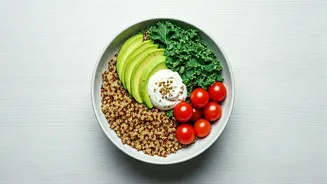
Let’s be honest: this is also about the visuals. Oil-free snacks look good on camera. They align perfectly with the “clean girl” aesthetic that has dominated social media—minimalist, bright, and seemingly effortless. A colorful bowl of air-fried veggie chips or a perfectly arranged plate of dehydrated fruit slices is highly shareable content. It signals health, discipline, and an aspirational lifestyle. The lack of greasy residue makes for a cleaner photo and, by extension, a “cleaner” way of eating. This visual appeal is a powerful engine for the trend’s growth. When a snack looks as good as it is perceived to be healthy, it creates a feedback loop of inspiration and imitation across platforms like TikTok and Instagram, turning individual kitchen experiments into a collective cultural moment.
But Is 'Oil-Free' the Whole Story?
While reducing intake of certain processed seed oils can be a positive step, the “oil-free” label isn't a magic bullet for health. Nutritionists are quick to point out that not all fats are created equal. Healthy fats, like those found in olive oil, avocados, and nuts, are essential for brain function, hormone production, and nutrient absorption. A fixation on eliminating all oil could inadvertently lead to a diet lacking in these crucial components. The trend can also teeter on the edge of restrictive eating, where the focus on what to eliminate overshadows a more balanced approach. The real win isn't necessarily cutting out oil entirely, but rather shifting from highly processed, pre-packaged snacks to more whole, plant-based foods—a goal the oil-free trend, for all its nuances, is certainly helping to popularize.