




What is the 'Sea of Milk'?
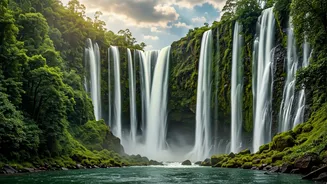
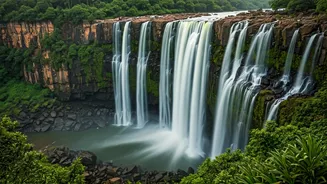
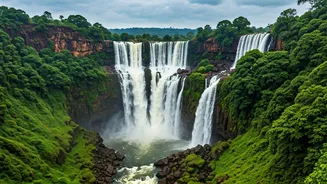
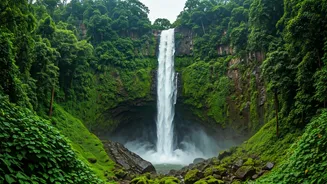
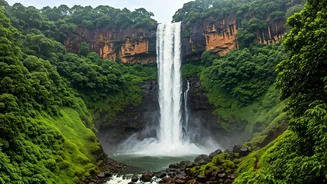
Plunging over 1,000 feet down a steep, verdant cliff face in the Western Ghats, Dudhsagar is one of India's tallest and most spectacular waterfalls. Its name, which translates to “Sea of Milk,” isn’t just poetic. As the Mandovi River cascades down the four-tiered
rock face, the sheer volume and force of the water creates a heavy, white spray that truly resembles an avalanche of milk. Located on the border of Goa and Karnataka within the Bhagwan Mahaveer Sanctuary and Mollem National Park, the falls are a world away from the coastal nightlife and beach shacks many Americans associate with the region. It’s a powerful display of nature, a sensory overload of sound and mist that feels ancient and untamed.
Why the Monsoon is Peak Season
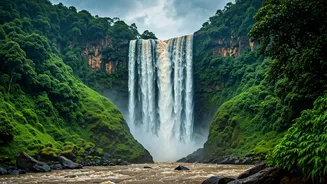
While many destinations wind down during the rainy season, Dudhsagar comes roaring to life. From June to September, the monsoon rains swell the Mandovi River, transforming the falls from a respectable stream into a formidable, thundering torrent. The surrounding national park, which can feel dry and dusty in the hotter months, becomes a paradise of saturated greens. The air is cool and thick with the smell of wet earth and vegetation. The experience is less about quiet observation and more about being humbled by the sheer power of nature. The sound is a constant, deep roar that you feel in your chest, and the fine mist hangs in the air, coating everything in a light film of water. This is the falls at their most dramatic and, by all accounts, their most beautiful.
The Journey: Jeep or Train?
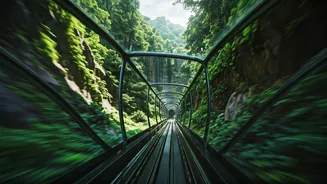
Getting to Dudhsagar is an adventure in itself, and you have two primary options. The most common route is a jeep safari from the town of Collem. These shared 4x4 vehicles navigate a bumpy, river-crossing-filled track through the dense forest of Mollem National Park. It's a thrilling, if bone-rattling, 45-minute ride that immerses you in the wilderness before you even see the falls. The other, more iconic, view is from the train. The railway line from Vasco to Londa cuts directly across the middle of the falls via a stone bridge, offering a breathtaking, if fleeting, panorama as you pass. While you can't get off the train here, passengers crowd the doors and windows for a once-in-a-lifetime photo op. For the full experience, many travelers recommend taking the jeep to the base and enjoying a train ride on a different day to see both perspectives.
Your Adventure Blueprint
To make the most of your trip, planning is key. The jeep safari service from Collem is regulated and requires purchasing a ticket. During peak monsoon, especially on weekends, expect long lines, so arriving early is essential. Wear clothes you don’t mind getting wet—a combination of the mist and potential rain makes it a certainty. Sturdy, waterproof footwear with good grip is non-negotiable, as the paths near the falls are rocky and can be extremely slippery. Pack your electronics, wallet, and any other valuables in a reliable waterproof bag. A life vest is mandatory for approaching the pool at the base of the falls, and these are provided by the operators. Remember that the jeeps operate on a timed schedule, typically giving you about 90 minutes at the falls before you must return.
Safety and Responsible Tourism
The power that makes Dudhsagar so magnificent also demands respect. During periods of extremely heavy rainfall, the water currents at the base can be dangerously strong, and authorities may prohibit swimming in the plunge pool. Always follow the instructions of local guides and lifeguards. The area is a protected national park, so it’s crucial to be a responsible visitor. Carry out everything you carry in, do not litter, and don’t feed the monkeys that often hang around the area. By being mindful and prepared, you can safely enjoy one of the most awe-inspiring natural spectacles the Indian subcontinent has to offer.