




The New Definition of Escape
For decades, the classic American vacation was defined by leisurely escapes: sipping cocktails by a pool, sunbathing on a crowded beach, or indulging in all-inclusive buffets. But for many Millennial and Gen Z travelers, that picture feels less like a dream
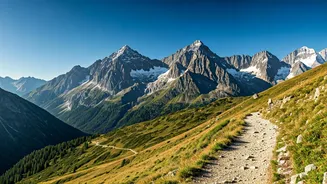
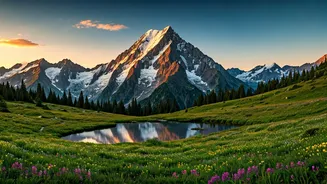
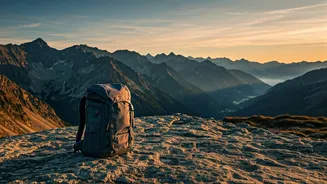
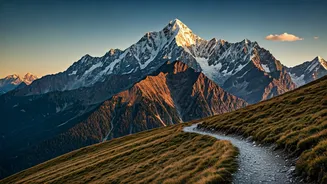
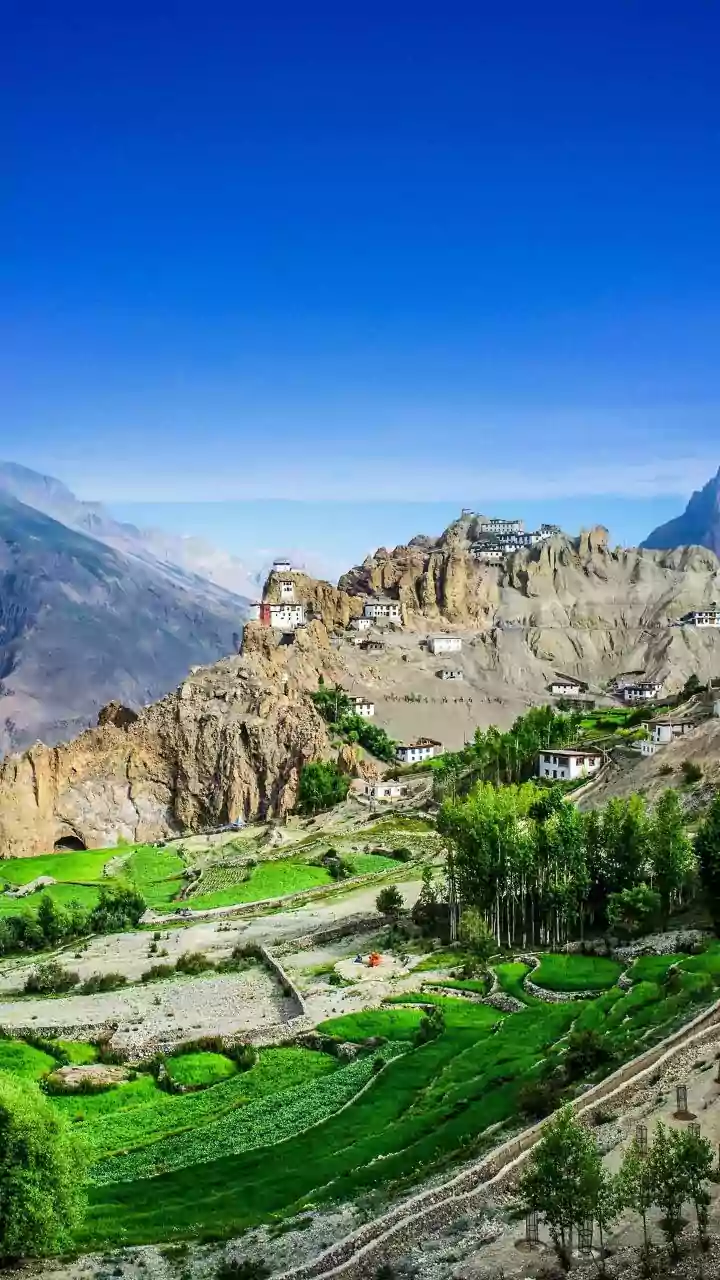
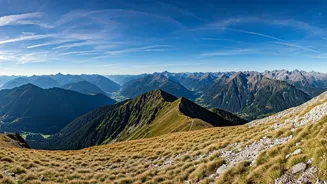
and more like a cliché. A growing body of evidence, from booking data to social media trends, shows a significant pivot towards more rugged, active, and meaningful destinations. At the top of that list? The mountains. This shift isn't just about trading one landscape for another; it's about a change in the very purpose of travel. Instead of seeking pure passive relaxation, younger generations are chasing experiences that offer personal growth, genuine adventure, and a tangible sense of accomplishment. The challenge of a steep trail, the reward of a panoramic summit view, and the quiet awe of an alpine lake resonate more deeply than another perfectly manicured resort.
Disconnecting to Truly Reconnect
In a hyper-connected world, the most valuable luxury might just be the ability to disconnect. Mountains are natural enforcers of a digital detox. Spotty cell service and the sheer immersive power of the wilderness compel travelers to put their phones away and engage with their surroundings and their companions. This forced unplugging is a feature, not a bug. For generations raised online, the constant pressure of notifications, emails, and social media feeds creates a low-grade hum of anxiety. A mountain trip offers a powerful antidote. It’s an opportunity to trade screen time for face-to-face conversations around a campfire, to swap digital noise for the sound of wind in the pines, and to focus on the present moment. This desire for mental clarity and authentic connection is a powerful driver pushing young people towards remote, natural spaces.
Adventure That’s Made for Instagram
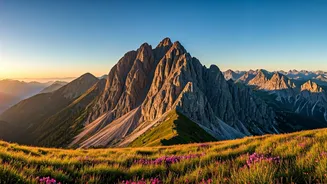
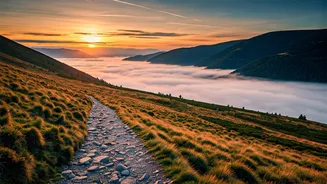
While disconnecting is a key motivator, it’s impossible to ignore the role of social media in this trend. Mountain landscapes are, simply put, incredibly photogenic. The dramatic light, epic vistas, and sense of raw beauty make for compelling content that stands out in a crowded feed of tropical infinity pools. However, it's more than just a hunt for a good photo. The images shared from these trips—a hiker silhouetted against a sunrise, a group of friends celebrating at a summit—are about curating an identity built on adventure, resilience, and an appreciation for the natural world. It signals a life rich in experiences, not just possessions. For many, documenting the journey is part of the experience itself, a way to capture and share a story of challenge and triumph. The photo isn't just proof you were there; it's a testament to the effort it took to get there.
Wellness Beyond the Spa
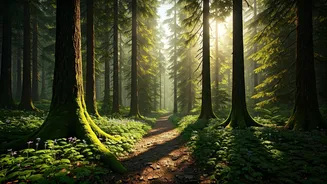
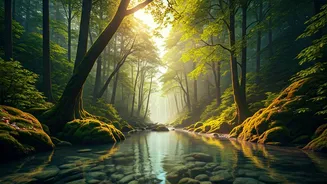
The concept of wellness has also evolved. It’s no longer confined to spa treatments and green juices. Today, it’s a more holistic idea encompassing physical, mental, and emotional health. Mountain travel fits perfectly into this modern wellness paradigm. Hiking, climbing, and even just walking at altitude are forms of active wellness that build physical strength and stamina. The mental benefits are just as significant. Studies have shown that spending time in nature, a practice known as 'forest bathing' or ecotherapy, can reduce stress, lower cortisol levels, and improve mood. For a generation that openly prioritizes mental health, a trip to the mountains is seen as a proactive investment in their well-being—a way to recharge their minds and bodies far more effectively than a week of passive lounging.