
Meet Makhana, Popcorn's Cooler Cousin
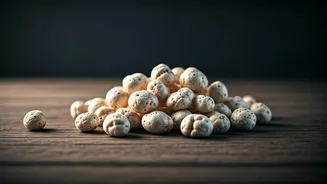
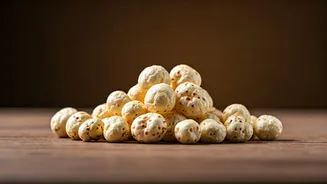
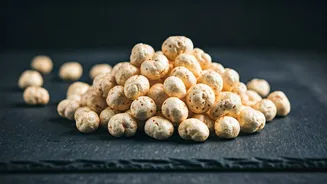
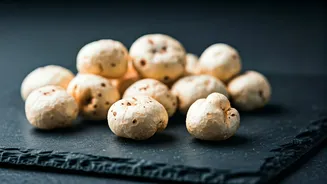
First things first: what is this snack with the celebrity buzz? It’s called makhana, also marketed in the U.S. as puffed water lily seeds or fox nuts. Imagine a snack with the airy, addictive quality of a cheese puff, the satisfying crunch of a rice cake,
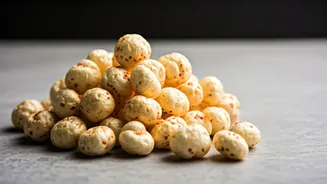
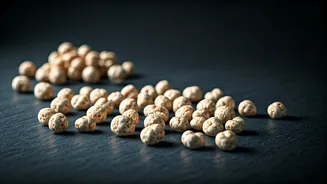
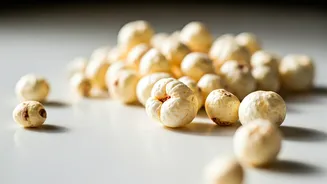
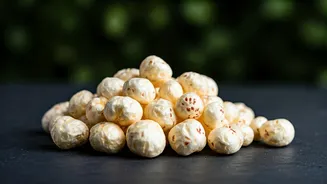
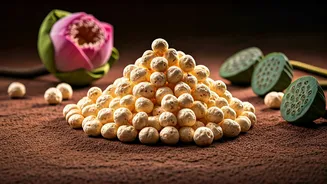
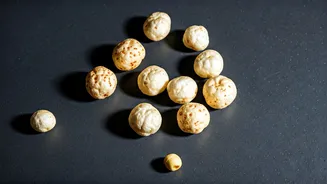
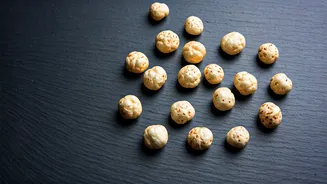
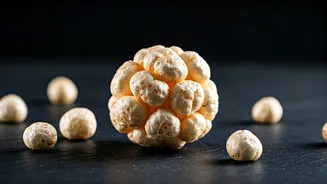
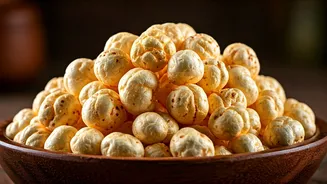
and the wholesome credentials of a superfood. That’s makhana. Unlike popcorn, which is a grain, makhana is a seed harvested from the aquatic Euryale ferox plant. When roasted, the small, black seeds pop to reveal a light, white, and irregularly shaped puff. The texture is its first claim to fame. It’s less dense than popcorn, dissolving on the tongue after a firm crunch, and best of all, there are no pesky kernels to get stuck in your teeth. It’s a blank canvas for flavor, with a mild, earthy taste of its own that readily absorbs spices and seasonings.
From the Ponds of Bihar to Your Pantry
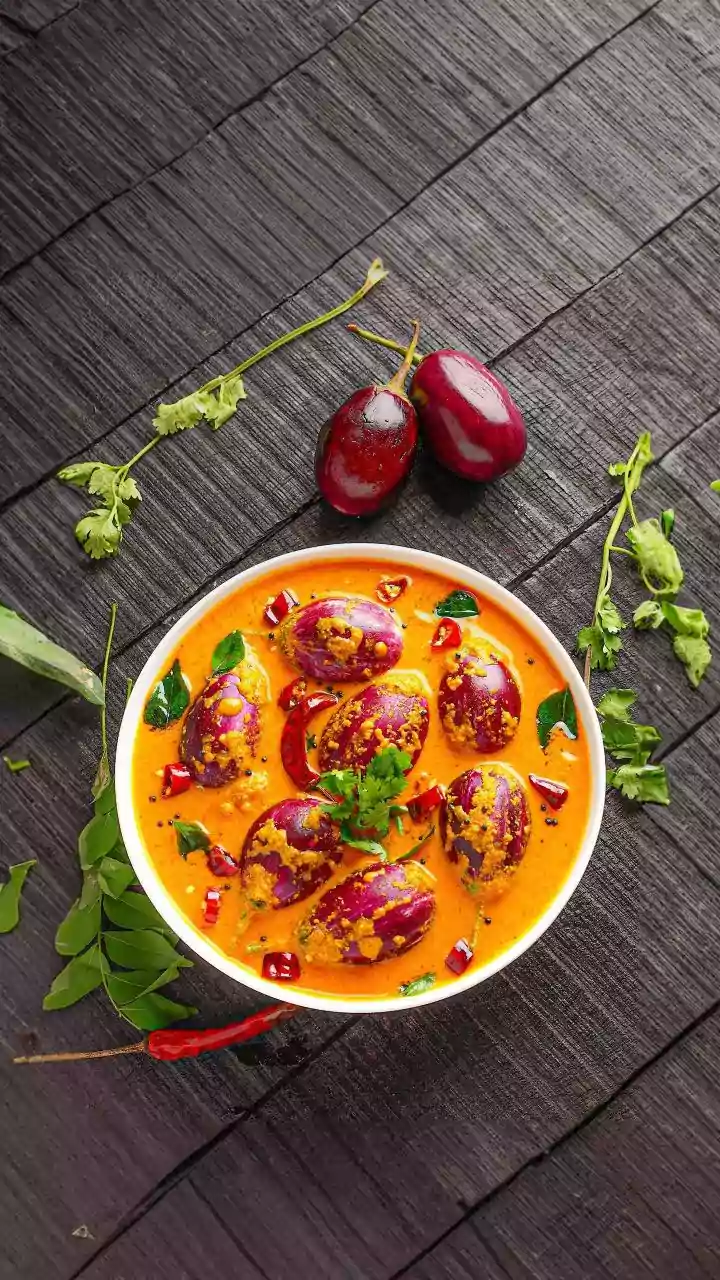
While makhana might seem like a brand-new invention to American shoppers, it’s a staple food with a rich history in the Indian state of Bihar. For centuries, communities in this eastern region have cultivated and consumed these seeds. The harvesting process is incredibly laborious, often involving farmers wading into ponds to collect the seeds from the muddy bottom. After collection, the seeds are washed, dried under the sun, and then roasted in hot sand in a cast-iron pan. This high-heat, manual process is what causes them to pop. In India, makhana is not just a snack. It’s used in curries (makhana korma), desserts (makhana kheer), and is considered an auspicious food eaten during religious fasting periods. Its journey from a regional, labor-intensive crop to a packaged good on a Whole Foods shelf is a story of globalization and the endless American appetite for new, healthy-ish treats.
The Healthy Snack Trifecta
So, why the sudden surge in popularity? Makhana hits the trifecta of what modern snackers are looking for: it's light, it's plant-based, and it's packed with nutritional benefits. For the calorie-conscious, it’s a win; a generous serving is often under 100 calories. For those with dietary restrictions, it’s naturally gluten-free and grain-free. And for the wellness-minded, it’s a good source of magnesium, potassium, and amino acids. It has a low glycemic index, meaning it doesn't cause a sharp spike in blood sugar, making it a more sustaining snack than a bag of potato chips. In a market saturated with kale chips and chickpea puffs, makhana offers something genuinely different, an ancient food perfectly suited for today's health-aware consumer.
An American Makeover
To capture the American market, makhana needed a little rebranding. A new wave of CPG (consumer packaged goods) startups, often founded by Indian-Americans familiar with the snack from their childhood, have given it a modern makeover. Companies like Bohana, AshaPops, and Taali are packaging makhana in bright, friendly bags and offering it in familiar flavor profiles. While a traditional Indian preparation might involve a simple roast with ghee and salt, these new brands are coating the puffs in everything from Himalayan Pink Salt and White Cheddar to Spicy Chili and Turmeric. This strategy makes the unfamiliar snack approachable. Seeing “Cheddar” on the label gives a curious shopper a reference point, bridging the gap between a traditional Bihari staple and a grab-and-go snack from the grocery store checkout line.