




From Niche Practice to Mainstream Staple
For decades, Pilates occupied a specific, somewhat intimidating space in the fitness world. Developed by Joseph Pilates in the early 20th century as a recovery program for injured soldiers and dancers, its emphasis on control, precision, and core strength
felt more corrective than commercial. It was the workout you did if you were *really* serious, or if you had the disposable income for private sessions on a strange-looking machine called a Reformer. While it always had a devoted following, it never quite reached the explosive, mass-market appeal of aerobics in the '80s or Spinning in the '90s. But over the last few years, a perfect storm of cultural shifts and canny adaptations has propelled it from the sidelines to the very center of the wellness conversation. It’s no longer just a trend; it's a foundational part of how millions of Americans approach movement.
The Pandemic’s Low-Impact Push
The global lockdown of 2020 was an unexpected catalyst. Confined to our homes, we collectively turned away from high-intensity, gym-dependent workouts and sought out practices we could do on a living room floor. Mat Pilates, which requires minimal equipment, saw a massive surge in popularity. YouTube and fitness apps were flooded with classes catering to all levels. More importantly, the pandemic shifted our priorities. The relentless pursuit of high-impact, calorie-torching exercise gave way to a desire for more mindful, sustainable movement. Pilates, with its focus on breathwork and body awareness, was the perfect answer. It offered a way to feel strong and connected to your body without the punishing exhaustion, providing a sense of control during a time of profound uncertainty.
An Antidote to Modern Life
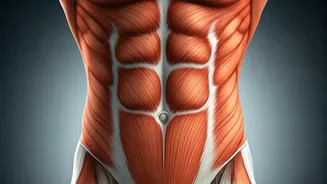
Pilates is uniquely suited to combat the specific ailments of 21st-century living. Our sedentary, screen-heavy lifestyles have given rise to a host of chronic issues: “tech neck,” tight hips from sitting all day, and weak posterior chains. The practice is almost tailor-made to address these problems. By strengthening the deep core muscles that support the spine, improving posture, and increasing flexibility, it directly counteracts the damage of hunching over a laptop. This therapeutic quality is a huge part of its appeal. It’s not just a workout; it’s maintenance for a modern body. People aren't just coming to Pilates to get a six-pack; they're coming to undo the knots, aches, and imbalances of their daily lives.
The Social Media-Friendly Reformer
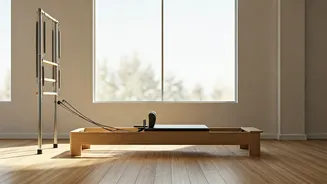
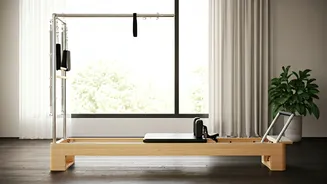
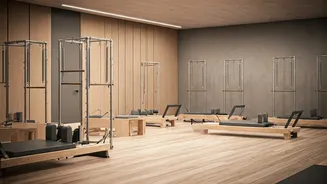
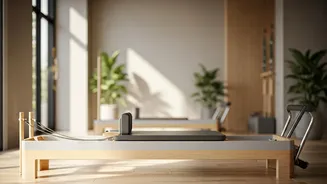
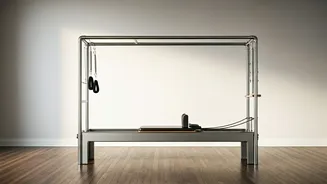
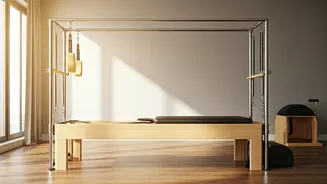
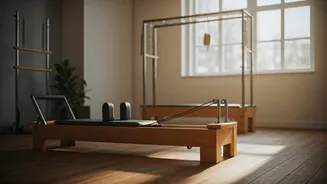
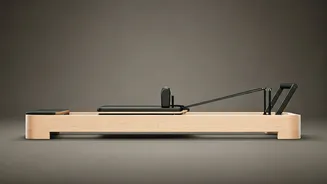
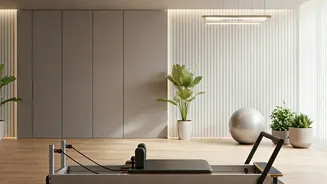
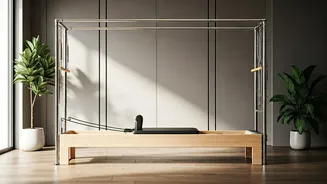
While mat Pilates boomed at home, the Reformer machine gave the practice its undeniable aesthetic appeal. With its gliding carriage, springs, and straps, the Reformer looks both elegant and slightly intimidating—a perfect combination for the age of social media. The sleek, photogenic studios and the satisfying visuals of a perfectly executed “scrambled eggs” or “scooter” exercise made Pilates highly shareable on platforms like Instagram and TikTok. Celebrities and influencers, from Hailey Bieber to Lori Harvey, showcased their Reformer routines, demystifying the machine and framing it as an aspirational yet attainable form of fitness. This visual allure created a powerful feedback loop: social media drove curiosity, which filled classes, which created more content, cementing the Reformer’s status as the new status workout.
It Learned How to Evolve
Crucially, Pilates didn’t remain static. To capture a younger, more diverse audience, studios began innovating. The classical, slow-paced method now shares the market with a host of dynamic hybrids. There's “Hot Pilates,” performed in a heated room for an extra sweat factor. There’s “HIIT Pilates,” which blends high-intensity intervals with classic core exercises. There are cardio-infused classes and strength-focused sessions that use heavier springs. By branching out, Pilates managed to shed its reputation as being “too slow” or “just for flexibility.” It now offers something for everyone, from the person seeking gentle rehabilitation to the athlete looking for a new challenge. This versatility is the ultimate proof of its staying power.