



The Ultimate Gas Station in the Sky
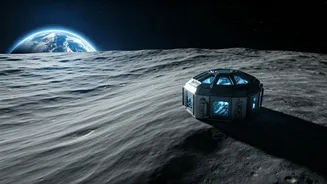
The single biggest driver for a lunar base is water. In 2009, NASA confirmed the presence of significant water ice deposits in permanently shadowed craters at the Moon's poles. This discovery was a game-changer. Water isn’t just for drinking; it’s for breathing
and, most importantly, for rocket fuel. By splitting water into its components—hydrogen and oxygen—a lunar base could become a refueling station for missions deeper into the solar system. Launching materials from Earth is incredibly expensive due to our planet's strong gravity. Producing fuel on the Moon would dramatically lower the cost of space exploration, making missions to Mars and beyond far more feasible. It transforms the Moon from a destination into a critical piece of infrastructure.
A Pristine Window into the Past
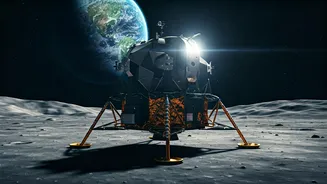
Earth is a geologically active planet. Plate tectonics, wind, and water have erased almost all evidence of our planet's early history and the formation of the solar system. The Moon, on the other hand, is a nearly perfect time capsule. With no atmosphere and minimal geological activity, its surface has been preserving a 4.5-billion-year-old record of cosmic impacts. By studying lunar rocks and craters up close and over long periods, scientists can piece together the chaotic history of the early solar system, including the period of intense asteroid bombardment that may have delivered the building blocks of life to Earth. A permanent base would allow for the kind of deep, methodical geological fieldwork that short-term Apollo missions could only dream of.
The Quietest Place to Listen to the Universe
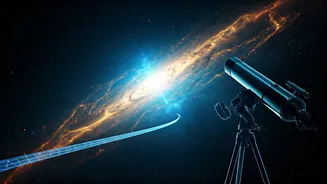
For astronomers, the far side of the Moon—the side that always faces away from us—is the most valuable real estate in the solar system. Here on Earth, our radio telescopes are constantly battling interference from our own planet's radio chatter: TV broadcasts, cell phone signals, and satellite communications create a constant hum that drowns out the faint whispers from the early universe. The far side of the Moon is permanently shielded from this noise, making it the perfect location for a new generation of radio telescopes. These instruments could listen for signals from the cosmic 'Dark Ages,' the period just after the Big Bang before the first stars ignited. It’s a scientific opportunity that simply cannot be replicated anywhere else.
A Testbed for Living on Mars
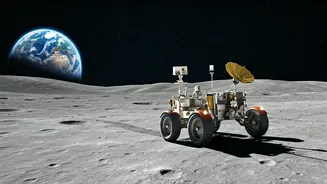
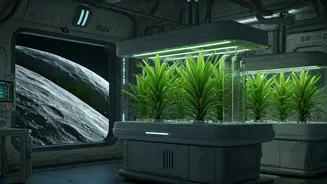
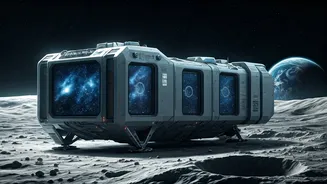
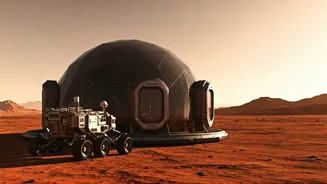
Before we send astronauts on a two-year round trip to Mars, we need to know they can survive and thrive in a hostile, off-world environment. A lunar base is the perfect place to practice. At just a three-day trip away, the Moon offers a relatively safe environment to test the technologies essential for a Mars mission. Scientists and engineers can develop and refine closed-loop life support systems, 3D-print structures using local lunar dust (regolith), practice extracting resources, and study the long-term physiological and psychological effects of living in a low-gravity environment. If something goes wrong, help is close by. Every problem solved on the Moon is a potential catastrophe averted on Mars.