







The Obvious Perk: Peak Flavor and Nutrition
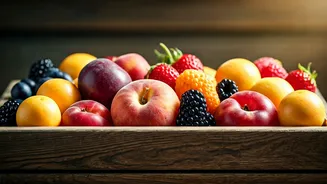
Let’s start with the most compelling reason: taste. Produce that is picked at its natural peak of ripeness simply tastes better. A sun-ripened summer strawberry is worlds away from the pale, firm version you might find in January. When fruits and vegetables
are allowed to mature on the vine and are harvested at the right time, their natural sugars and aromatic compounds are fully developed, resulting in a richer, more vibrant flavor profile. This means your smoothie won't just be a vehicle for nutrients; it will be a genuinely delicious experience. Beyond taste, there's a strong nutritional argument. While the difference can vary, produce that is picked and eaten in season is often more nutrient-dense. Vitamins and antioxidants can degrade over time during long-distance shipping and extended storage. A summer peach that travels from a local farm to your blender in a matter of days retains more of its vitamin C and other delicate phytonutrients than one that has journeyed across the hemisphere out of season.
Connecting with Nature's Rhythms
The wellness movement is increasingly about more than just physical health; it’s about a holistic sense of well-being. Aligning your diet with the seasons is a powerful way to feel more connected to the natural world. This practice, rooted in ancient traditions like Ayurveda and Traditional Chinese Medicine, is based on the idea that our bodies have different needs throughout the year. In summer, when it’s hot, nature provides cooling, hydrating foods like berries, cucumbers, and melons. In the fall and winter, it offers grounding, warming foods like squash, apples, and root vegetables. A bright, citrus-packed smoothie in the dead of winter can offer a much-needed dose of vitamin C, while a creamy pumpkin spice smoothie in October just feels right. This cyclical eating pattern fosters mindfulness and a deeper appreciation for the present moment.
It’s Smarter for Your Wallet
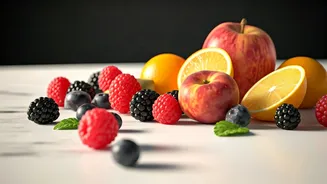
The logic here is simple supply and demand. When a particular fruit or vegetable is in season, it’s abundant. Local farms are harvesting it in large quantities, and supply chains are shorter and more efficient. This increased availability almost always leads to lower prices at the grocery store and farmers' market. Those beautiful organic raspberries that cost a fortune in February are suddenly half the price in July. By building your smoothie recipes around what’s currently plentiful and affordable, you can significantly reduce your grocery bill without sacrificing quality. For wellness fans who often invest in premium ingredients, this is a practical and sustainable way to manage costs while still prioritizing high-quality, whole foods.
A Built-In Plan for Nutritional Variety
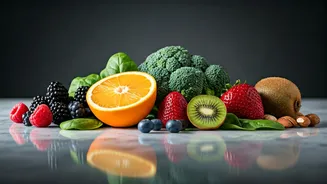
It’s easy to fall into a smoothie rut, blending the same handful of ingredients day after day. While consistency has its place, nutritional diversity is crucial for a healthy gut microbiome and ensuring you get a wide spectrum of vitamins, minerals, and phytonutrients. Following the seasons is a foolproof way to force variety into your diet. Spring might inspire smoothies with fresh mint, spinach, and early strawberries. Summer is all about peaches, watermelon, and basil. Fall brings in apples, pears, and a dash of cinnamon. Winter is the time for citrus, pomegranate, and even beets. This natural rotation ensures you’re constantly introducing new nutrients and flavor combinations, keeping both your body and your taste buds from getting bored.
A Lighter Environmental Footprint
For many in the wellness community, personal health is intrinsically linked to planetary health. Eating seasonally is a significant step toward a more sustainable lifestyle. Produce that is grown out of season often requires energy-intensive greenhouses, more pesticides, and artificial ripening processes. Furthermore, it almost certainly has to be shipped long distances, contributing to a larger carbon footprint. By prioritizing seasonal, and ideally local, ingredients, you are supporting a food system that works in harmony with the environment rather than against it. You reduce food miles, support local economies, and consume produce that required fewer resources to grow. For those who view wellness through a conscious, eco-friendly lens, the seasonal smoothie isn’t just a health choice—it's an ethical one.