


The Lake of the Moon
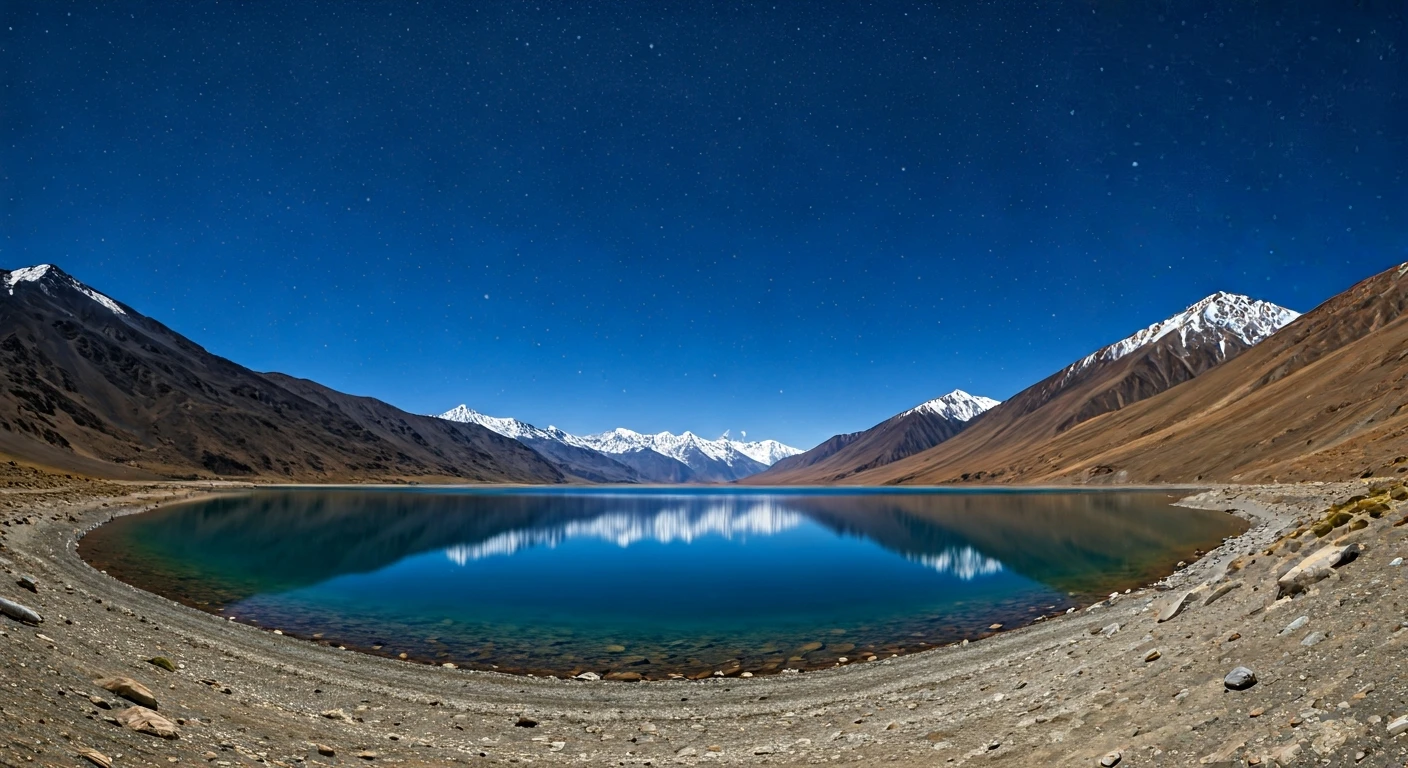
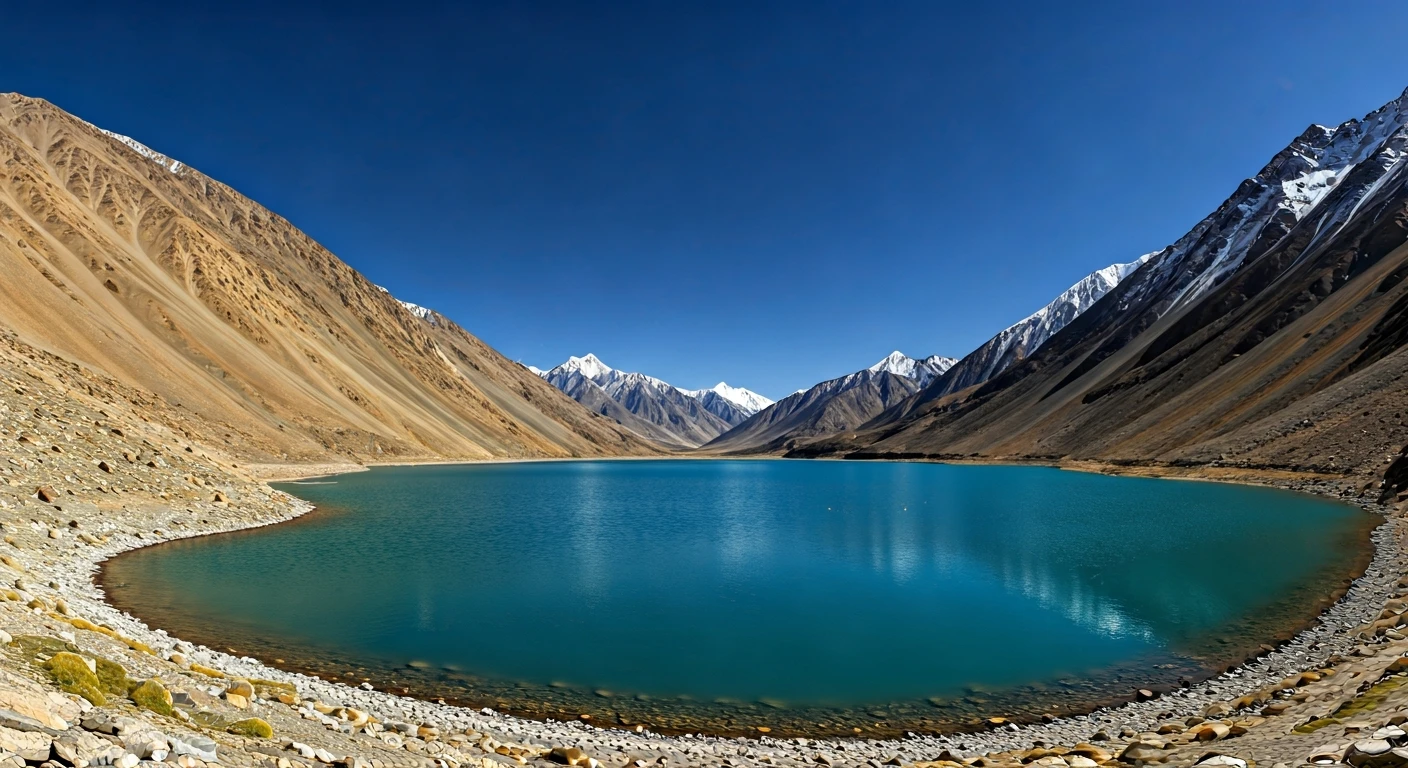
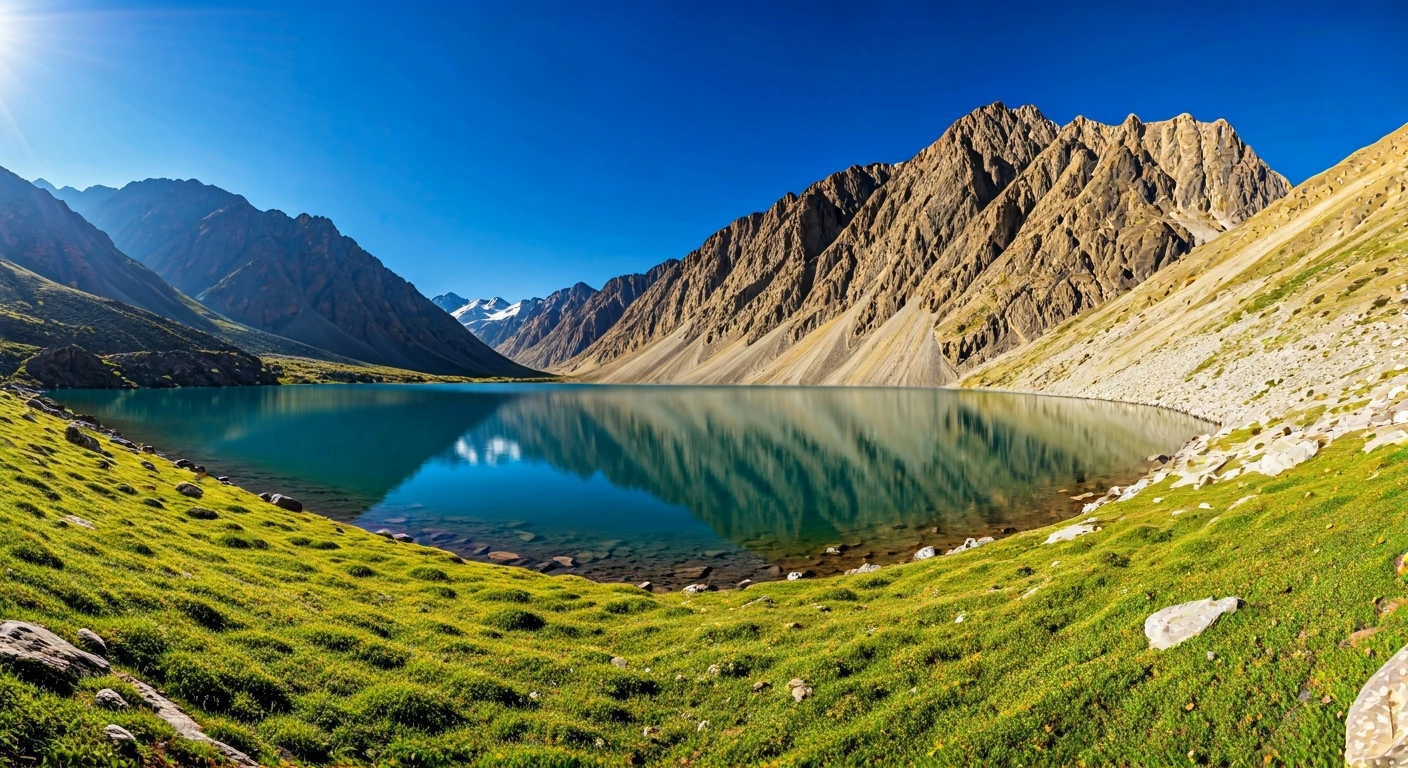
Its name, Chandratal, literally translates to “Lake of the Moon,” a fitting moniker for a body of water that shifts in color from brilliant blue to emerald green as the sun traverses the Himalayan sky. Located in the high-altitude desert of the Spiti
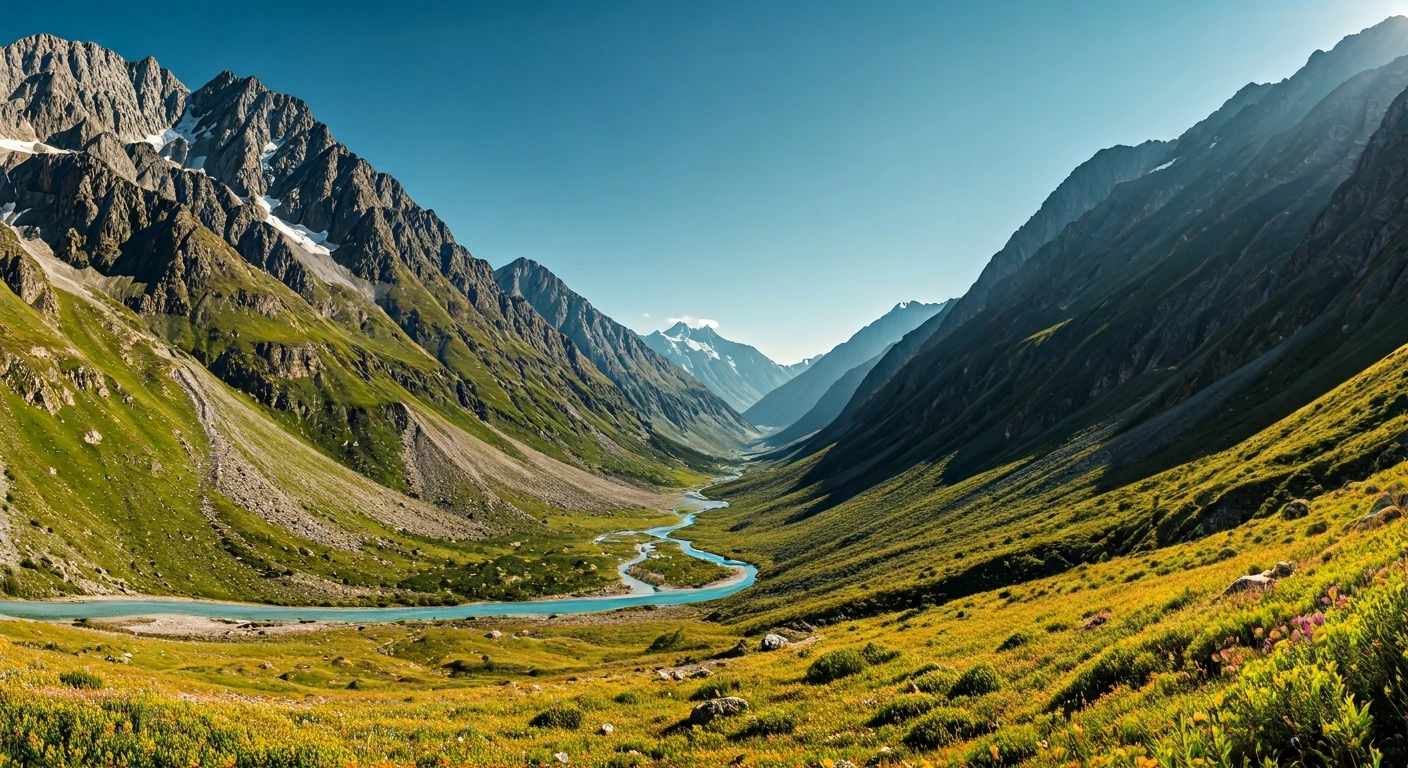
Valley, this sacred lake is the stuff of legend. It sits in a vast cirque, a natural amphitheater carved by ancient glaciers, creating a scene that feels more lunar than terrestrial. The air is thin, the silence is profound, and the landscape is stripped down to its raw elements: rock, water, and sky. For American travelers weary of crowded tourist trails, Chandratal represents an escape to a place that feels genuinely remote and untouched by the noise of the modern world.
The Grueling, Glorious Journey
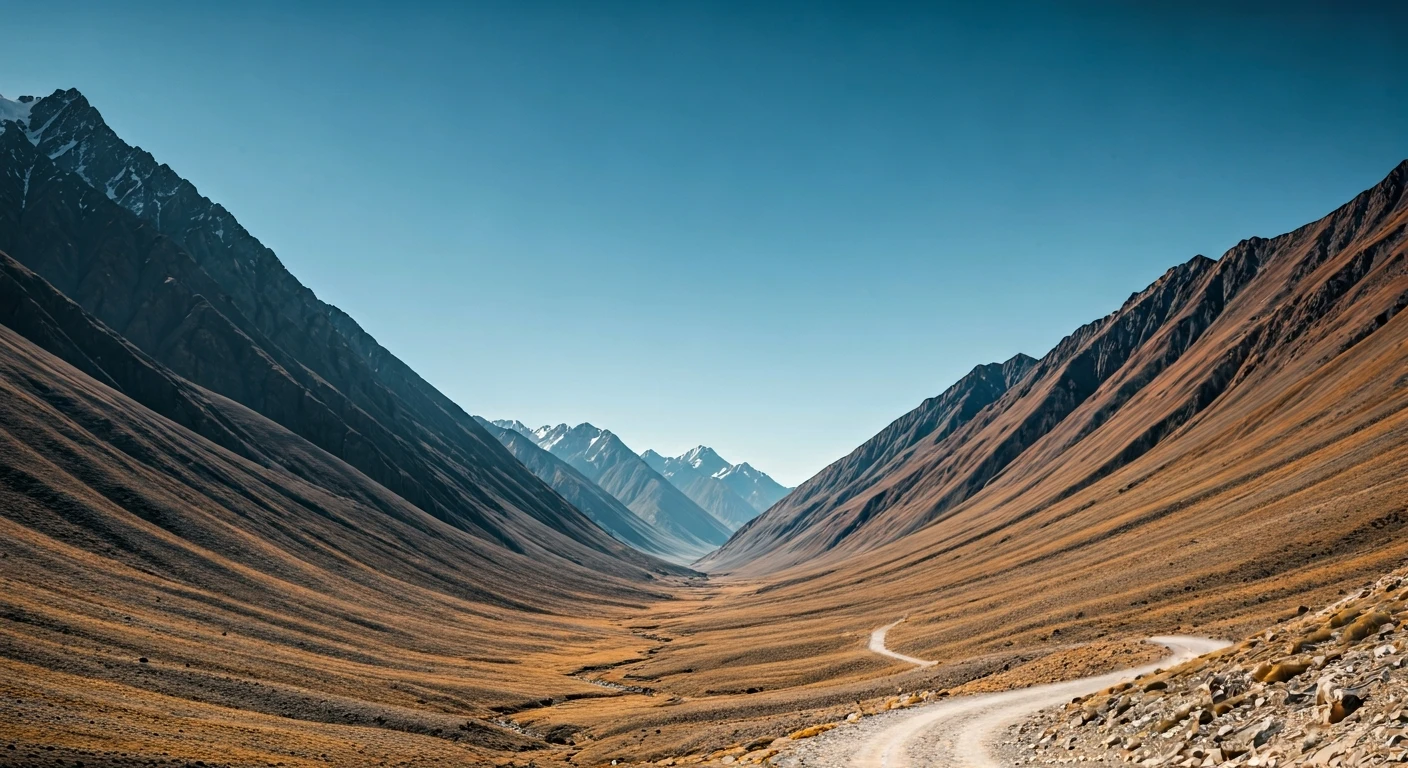
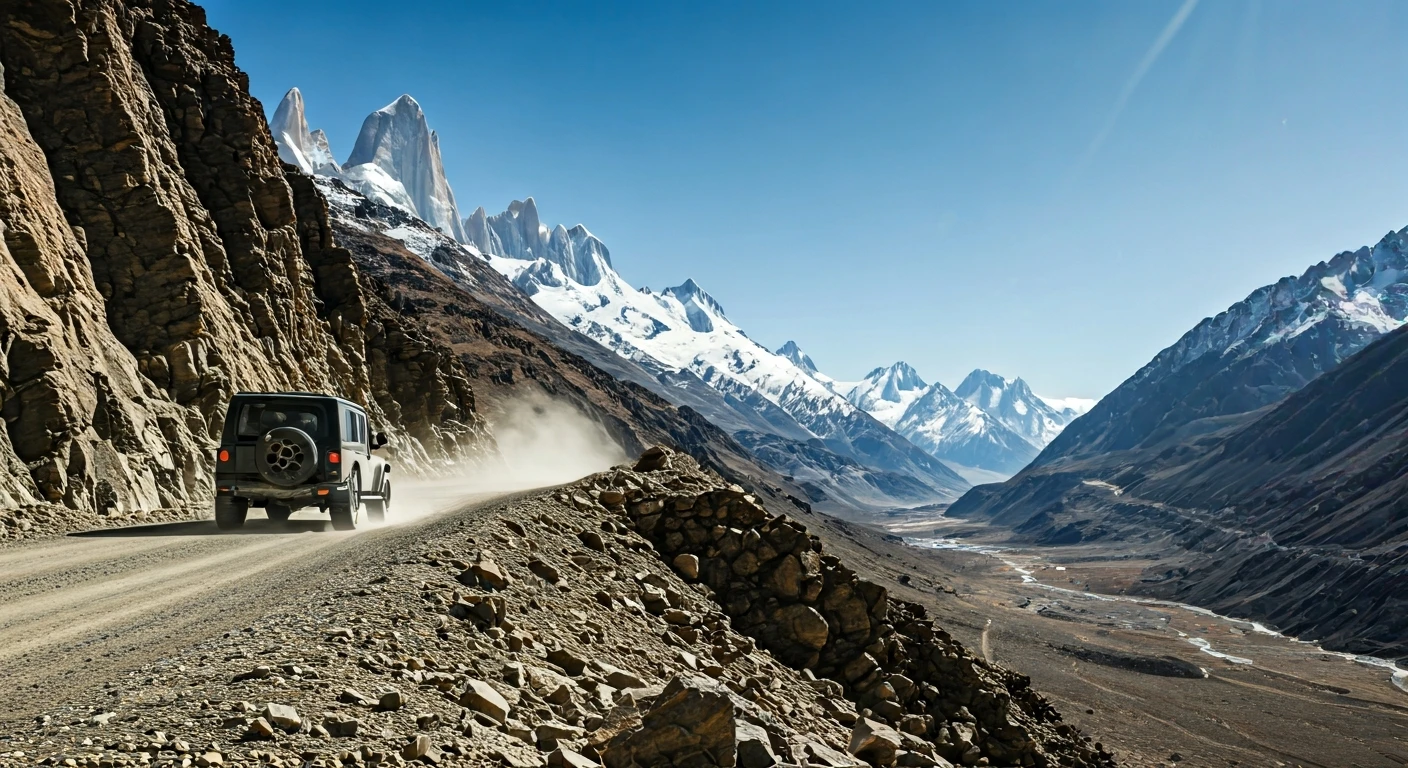
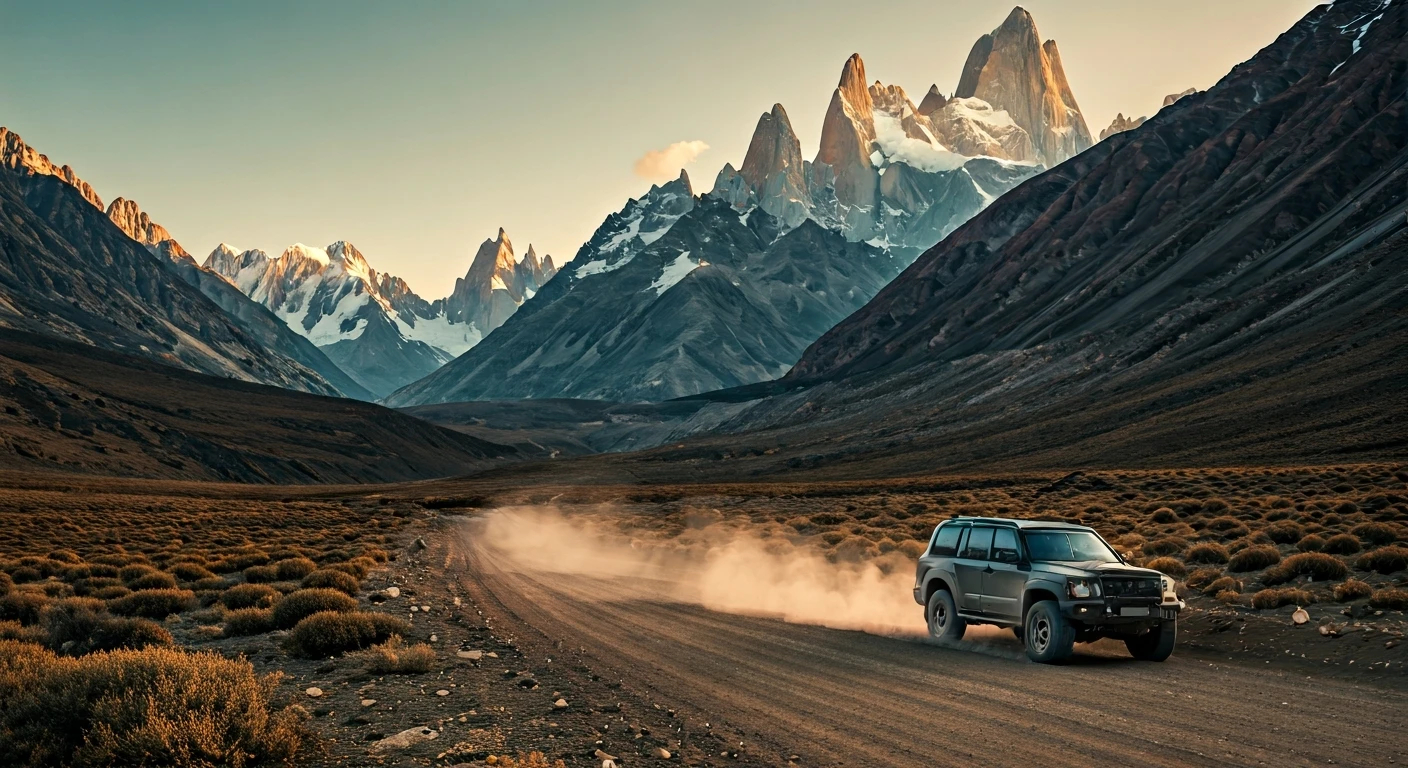
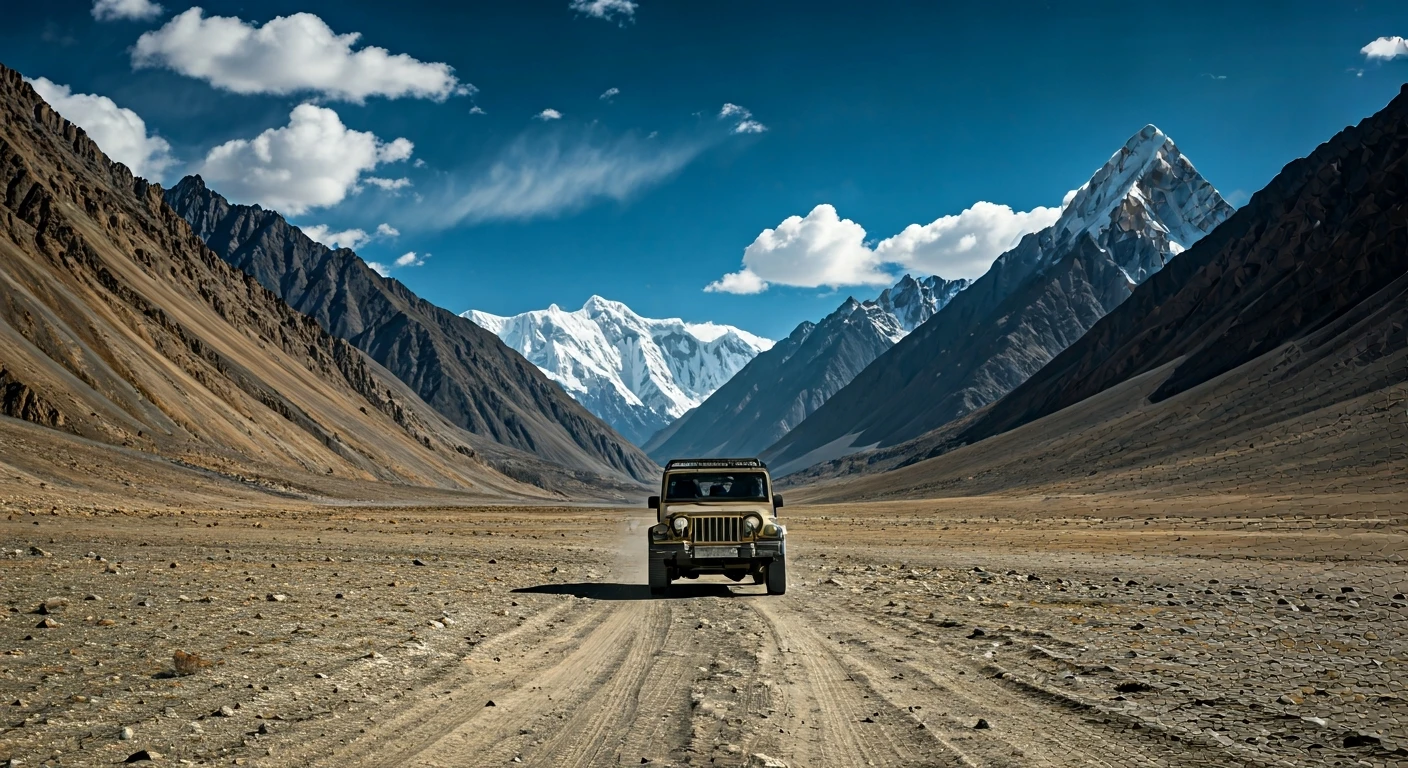
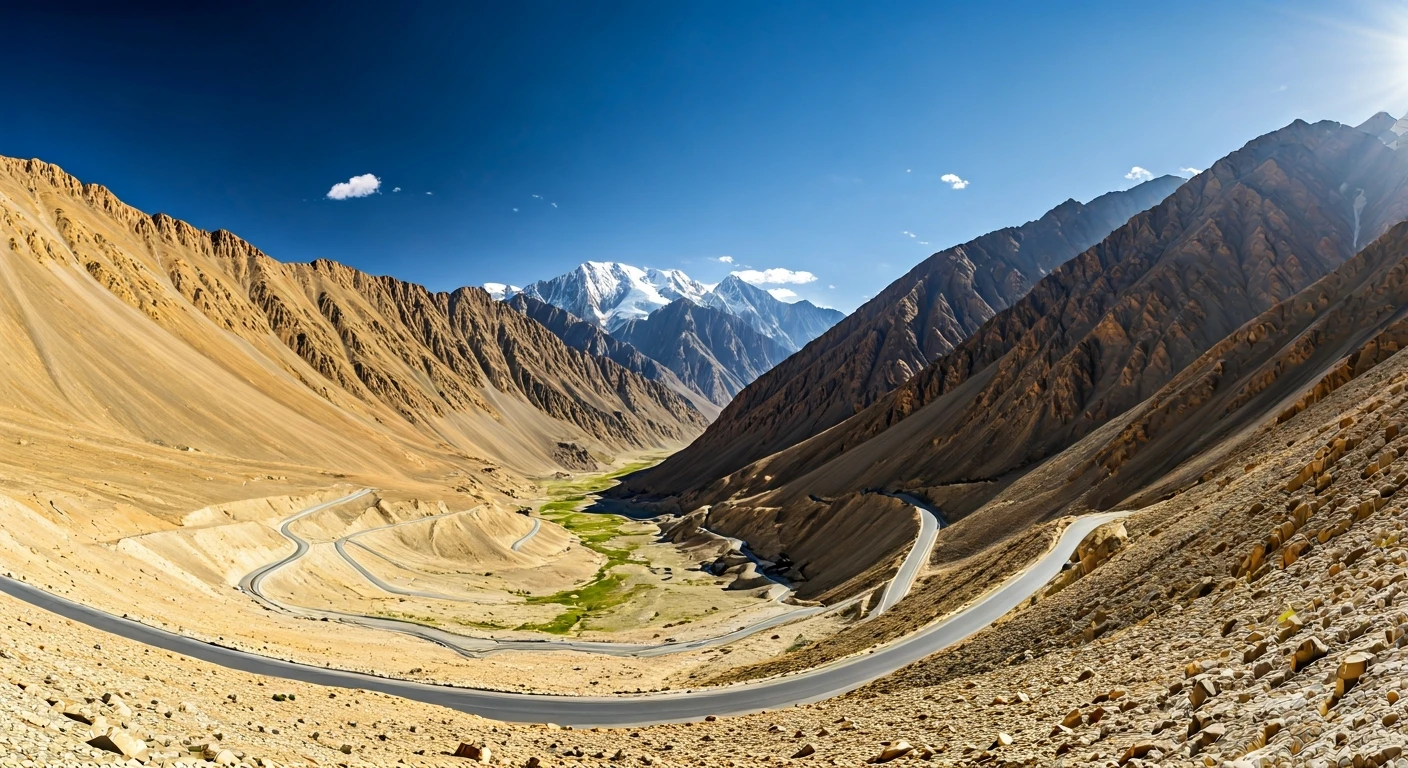
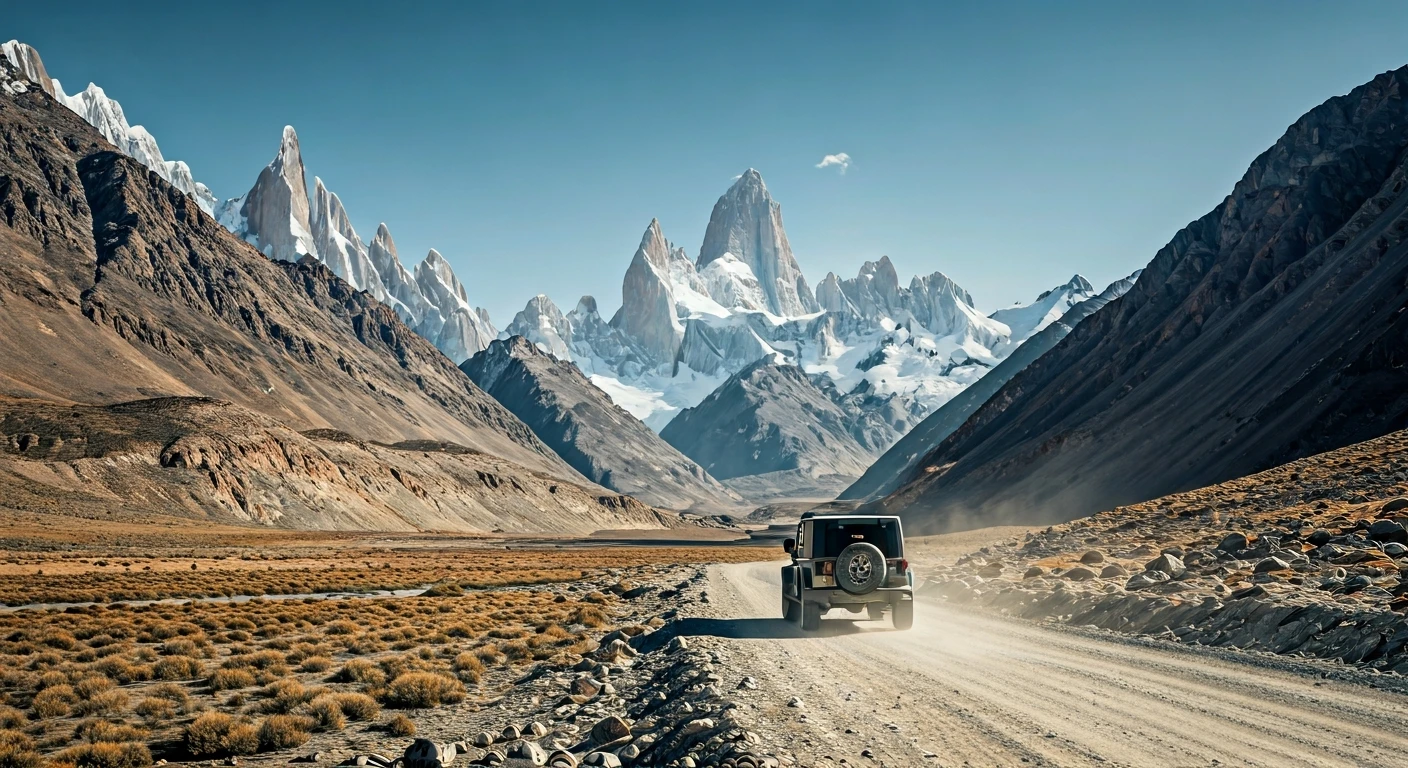
The magic of Chandratal is inseparable from the journey required to reach it. This is not a casual day trip. The typical route involves a bone-jarring, multi-hour drive from the nearest town of Manali. The road, if you can call it that, is a treacherous ribbon of dirt and gravel that clings to the side of mountains, crosses gushing glacial streams, and ascends two of the world's most formidable high-altitude passes: Rohtang Pass and Kunzum Pass. Vehicles lurch and grind their way through a landscape that is both terrifying and breathtakingly beautiful. Waterfalls cascade onto the road, herds of sheep block traffic for miles, and prayer flags whip in the wind, marking spots of spiritual significance. This arduous journey acts as a filter, ensuring that only the most determined travelers arrive at the lake’s doorstep. It’s a pilgrimage that makes the final view of the serene water feel earned, a true reward for enduring the challenge.
A Night Under a Billion Stars
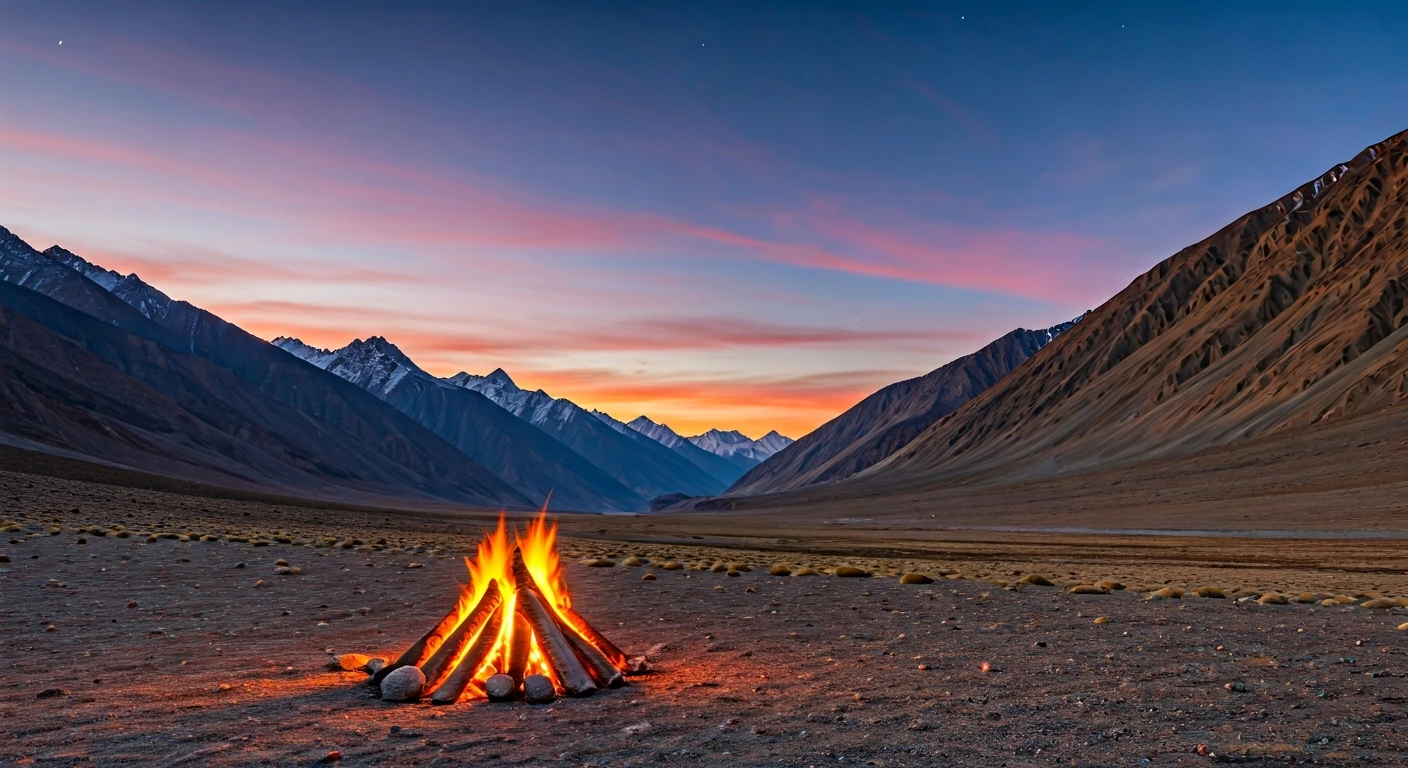
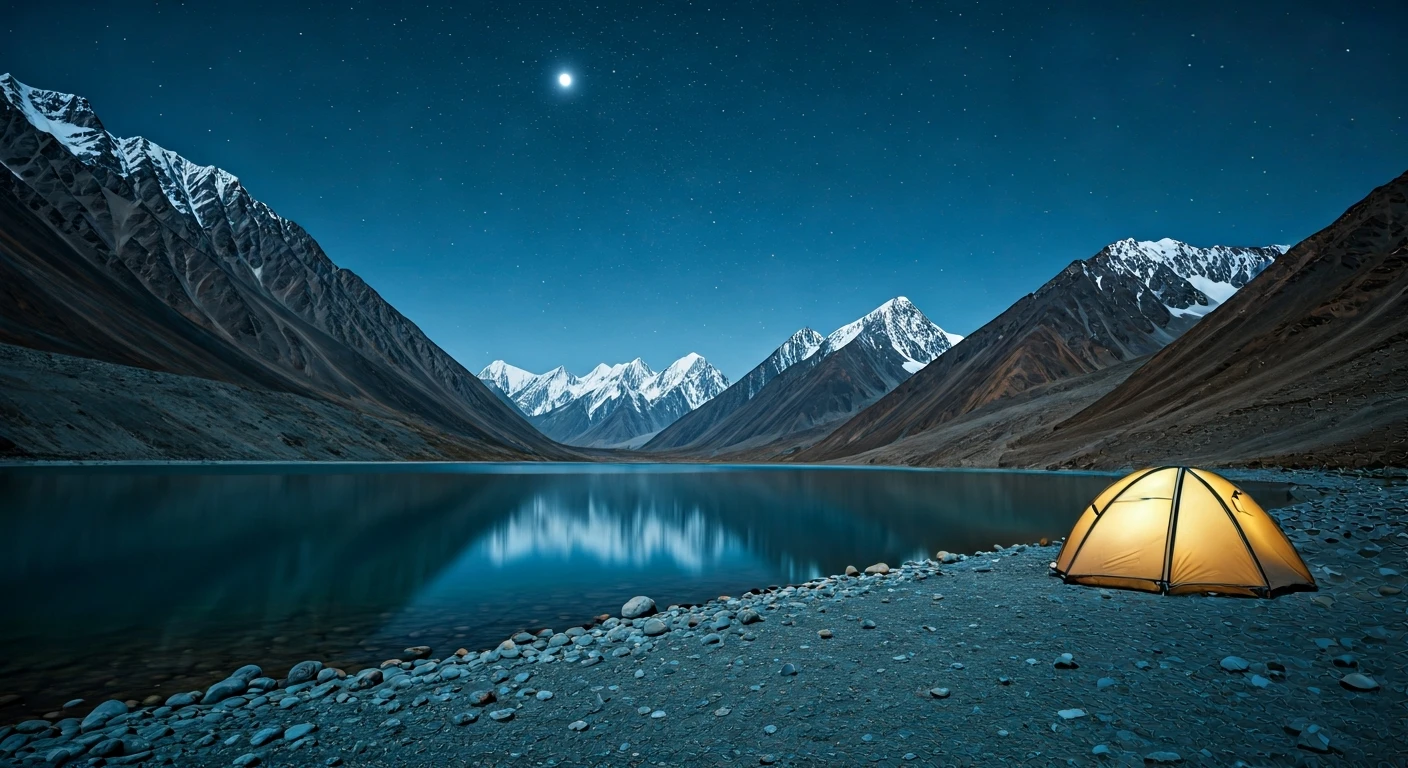
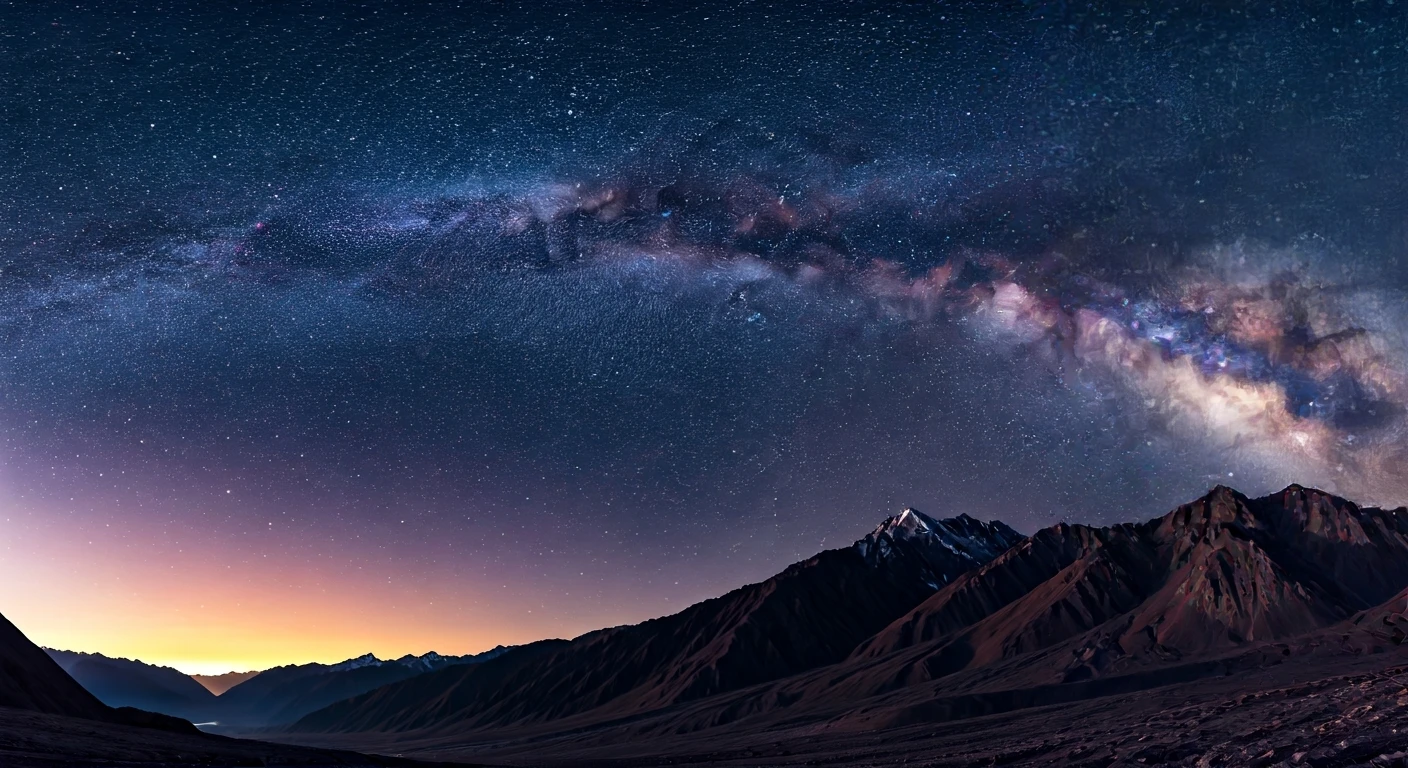
While the lake itself is the main attraction, the camping experience is what solidifies its place on every adventurer’s wishlist. Due to the fragile ecosystem, direct camping on the lake’s immediate banks is prohibited. Instead, a cluster of seasonal, pre-established tented camps operates a couple of kilometers away, offering a surprising degree of comfort in an otherwise inhospitable environment. These camps provide sturdy tents, warm bedding, and simple, hearty meals. As dusk falls, the temperature plummets. Visitors huddle in communal dining tents, sharing stories of their travels over hot tea. But the real show begins after dark. With zero light pollution, the night sky explodes into a panorama of cosmic dust and distant galaxies. The Milky Way is not a faint smudge but a brilliant, textured band of light. It’s a humbling, almost spiritual experience to stand in the freezing cold, gazing at a universe that feels close enough to touch.
Spiti's Enduring Crown Jewel
The Spiti Valley is filled with wonders—ancient monasteries perched on cliffs, quaint villages seemingly frozen in time, and some of the most dramatic mountain scenery on Earth. Yet, it’s the image of a tent pitched near Chandratal that often defines the entire region for prospective travelers. It has become the iconic postcard, the ultimate symbol of Himalayan adventure. The experience encapsulates everything the valley represents: raw beauty, physical challenge, spiritual serenity, and a profound sense of remoteness. For many, a trip to Spiti is a loop, and Chandratal is its breathtaking climax. It’s the story people tell when they get back, the photo they share, and the memory that inspires others to add Spiti to their own travel wishlists. It proves that in an age of hyper-connectivity, the allure of a truly disconnected, elemental experience is more powerful than ever.