






The $60-a-Month Garden Dream
The promise of a small garden saving a significant chunk of change is not a fantasy. While the original story comes from India, the principle is universal. A monthly savings of $60 to $100 on produce is entirely realistic for a well-managed 200-square-foot
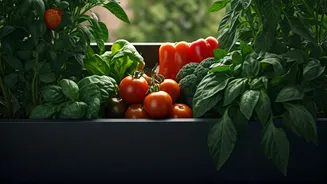
garden in the U.S. Think about the cost of a few bags of organic salad mix ($12), a pound of heirloom tomatoes ($6), a few bunches of fresh herbs ($9), and a bell pepper or two ($4). That's over $30 in a single shopping trip. By cultivating these items yourself, you replace those costs. The key isn't just growing food, but growing the *right* food—the high-cost, high-yield items that make the biggest dent in your grocery bill.
Your 200-Square-Foot Canvas
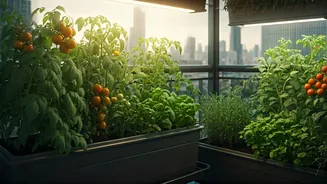
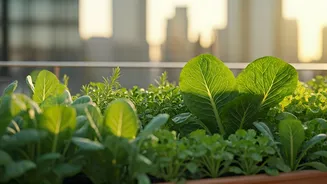
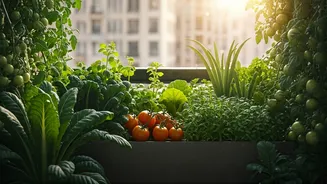
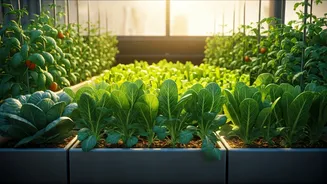
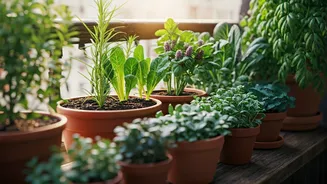
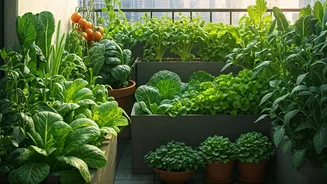
So, what does 200 square feet actually look like? It could be a 10x20 foot patio, a 14x14 foot section of your yard, a collection of containers on a sunny balcony, or a small rooftop space. The mistake most people make is thinking horizontally. To maximize a small footprint, you have to think vertically. Use trellises for vining plants like cucumbers, pole beans, and indeterminate tomatoes. Install wall-mounted planters for herbs and strawberries. Tiered or stacked containers can double or triple your growing area without taking up more floor space. Raised beds also help by allowing you to control the soil quality completely, leading to healthier plants and better yields than you might get from poor-quality yard soil.
Choose High-Value Players
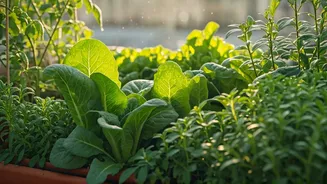
To maximize savings, you need to be strategic. Planting a sprawling patch of potatoes or corn in a small garden is a poor use of space relative to their low cost at the store. Instead, focus on high-value crops. These fall into three categories: 1. **Expensive to Buy:** Fresh herbs (basil, cilantro, mint, rosemary), gourmet salad greens (arugula, specialty lettuces), and heirloom tomatoes. 2. **Prolific Producers:** Plants that give you a continuous harvest over a long season. Think zucchini, summer squash, cherry tomatoes, and pole beans. One or two well-cared-for zucchini plants can supply a family for months. 3. **Cut-and-Come-Again:** Leafy greens like Swiss chard, kale, and many types of lettuce can be harvested leaf by leaf. The plant will continue to produce new leaves from its center, giving you fresh salads for weeks on end from the same few plants.
Secrets to a Continuous Harvest
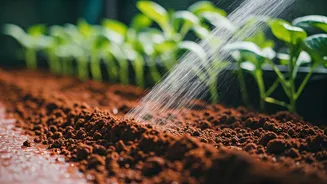
A productive garden isn't just about what you plant, but *how* you manage it. The number one factor is sunlight—most vegetables need at least 6-8 hours of direct sun per day. The second is soil. Don't skimp here. Fill your containers and raised beds with a high-quality mix of potting soil and compost to provide the nutrients your plants need to thrive. Beyond that, embrace succession planting. As one crop finishes, have another ready to take its place. When your early spring lettuce bolts in the heat, pull it and plant a bush bean seedling that loves the summer sun. When the beans are done, you can plant a fall crop of kale or spinach. This constant rotation ensures no part of your garden is left empty, maximizing your yield per square foot throughout the growing season.
From Garden Bed to Bank Account
The initial setup—pots, soil, seeds—has a cost. But view it as an investment that pays dividends for years. Seeds are incredibly cheap compared to buying seedlings, and you can even learn to save your own seeds from one season to the next. A home composting system can eliminate the need to buy bags of fertilizer, turning your kitchen scraps into black gold for your garden. The biggest return, however, comes from what you don't spend at the grocery store. Every salad you pick, every tomato you slice, and every sprig of basil you use is money you're keeping in your pocket. The savings aren't theoretical; they show up on your weekly credit card statement.