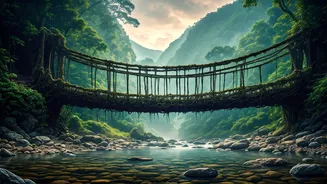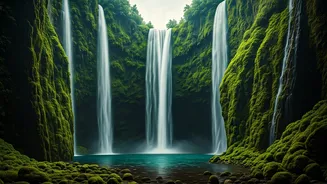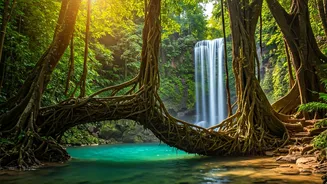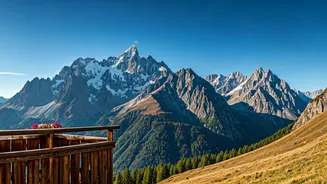


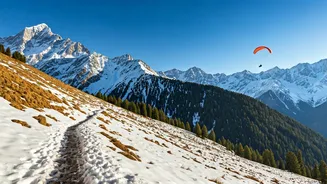
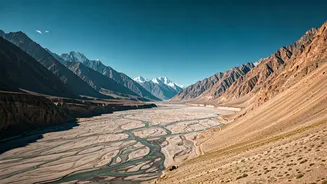


1. Scenery That Looks Like a Painting
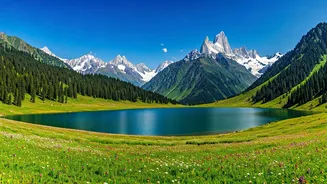
Let’s start with the obvious: Kashmir’s beauty is staggering. It’s a place that consistently exceeds the hype. The heart of its appeal is Srinagar, the summer capital, built around the iconic Dal Lake. Here, colorful wooden houseboats, known as *shikaras*,
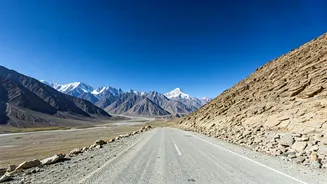
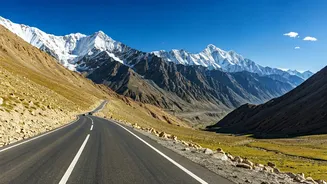
glide across waters that reflect the towering Pir Panjal mountains. Beyond the lake, Mughal-era gardens like Shalimar Bagh and Nishat Bagh burst with color, designed centuries ago as earthly versions of paradise. In the spring, the Indira Gandhi Memorial Tulip Garden becomes a mind-boggling carpet of millions of flowers, Asia's largest. For many American travelers accustomed to national parks or European countrysides, Kashmir offers a different, almost mythical, scale of natural grandeur.
2. A New Sense of Accessibility
For decades, Kashmir's complex political situation made it a challenging destination for international tourists. While the region’s history remains sensitive, recent years have seen a significant push in infrastructure development and a more stable security environment, leading to a massive tourism boom. The Indian government has actively promoted tourism, and record numbers of domestic visitors have flocked to the region. This has created a virtuous cycle: more visitors lead to better amenities, more flight options, and a more robust tourism infrastructure, making it feel more accessible and welcoming than ever for global travelers looking for their next great adventure.
3. The Gulmarg Adventure Hub
Kashmir is shedding its reputation as a destination solely for placid houseboat stays. The mountain resort of Gulmarg has emerged as a world-class hub for adventure sports, particularly skiing. The Gulmarg Gondola, one of the highest cable cars in the world, lifts skiers and snowboarders to breathtaking heights, offering access to vast stretches of pristine powder. It’s not just for experts; the resort offers slopes for all levels. Outside of winter, Gulmarg transforms into a paradise for hikers, golfers (it has one of the world's highest green golf courses), and mountain bikers. This has attracted a younger, more adrenaline-focused traveler, diversifying Kashmir’s appeal beyond traditional sightseeing.
4. The Ultimate Instagram Muse
In the visual economy of social media, Kashmir is a powerhouse. The region is photogenic on a scale that few places can match. Every element seems tailor-made for a stunning photograph: the gentle arc of a *shikara* paddle dipping into the water, the intricate wood carving on a houseboat balcony, the steam rising from a cup of saffron-infused *kahwa* tea against a mountain backdrop, or the dramatic contrast of colorful pashmina shawls against a snowy landscape. Influencers and everyday travelers alike have turned places like Dal Lake, Pahalgam's Betaab Valley, and the golden meadows of Sonamarg into global social media landmarks, fueling a cycle of digital desire that has put Kashmir on countless bucket lists.
5. A Deep and Distinct Culture
Beyond the landscapes, Kashmir offers a rich and unique cultural experience. The region is a nexus of Sufi traditions, Buddhist history, and Hindu heritage, creating a unique synthesis. This is most deliciously expressed in its cuisine. A traditional multi-course Kashmiri feast, the *Wazwan*, is a culinary event in itself, featuring complex dishes like *rogan josh* (a fragrant lamb curry) and *gushtaba* (spiced meatballs in a yogurt gravy). The region is also famous for its exquisite crafts, from hand-knotted silk carpets and intricate walnut wood carvings to the legendary softness of authentic pashmina shawls. Engaging with this living culture provides a depth to any visit that scenery alone cannot.