




Tackle Food Waste First
Before you overhaul your entire grocery list, start in your own kitchen. Roughly one-third of all food produced for human consumption is lost or wasted, and it's a massive contributor to greenhouse gas emissions as it rots in landfills. The good news
is that this is one of the easiest areas to control. Start by taking a 'shelfie'—a quick photo of your fridge and pantry—before you go to the store. This simple habit prevents you from buying duplicates. Learn to love your freezer; it's a magical pause button for everything from bread and leftover soup to produce that’s about to turn. Get creative with scraps: simmer vegetable peels and ends for a flavorful broth, or turn stale bread into croutons or breadcrumbs. By focusing on using what you already have, you save money and make a significant dent in your carbon 'foodprint' without changing a single thing you eat.
Rethink Your Protein, Don't Banish It
The conversation around diet and climate often gets stuck on meat, particularly beef. And for good reason—livestock, especially cattle, have a disproportionately large environmental impact due to land use and methane emissions. But for many, going completely vegan feels like an impossible leap. The 'practical, not perfect' approach isn't about rigid prohibitions; it's about mindful reduction and smart swaps. Try implementing 'Meatless Mondays' to build a habit of plant-based cooking once a week. When you do eat meat, consider swapping beef for a lower-impact protein like chicken or pork. Even better, explore the vast world of plant-based proteins like lentils, chickpeas, beans, and tofu. They're inexpensive, versatile, and packed with nutrients. Framing it as 'eating less red meat' rather than 'never eating red meat again' makes the goal achievable and sustainable in the long run.
Embrace 'Local-ish' and Seasonal
The advice to 'eat local' can be intimidating, especially if you don't live next to a year-round farmers market. A more practical approach is to be 'local-ish.' Pay attention to what's in season in your region. Seasonal produce is typically more abundant, which often makes it cheaper and fresher. It also hasn't traveled thousands of miles from another hemisphere, which cuts down on transportation emissions. Check for signs at the grocery store that indicate a product's origin. If you have the choice between apples from Washington State and apples from New Zealand, the choice is clear. This doesn't mean you can never have a banana in winter. It just means that when there's an easy, local-ish alternative, you make that your default choice. It’s a gentle shift that connects you more to your region's agricultural rhythms.
Get Smart About Packaging
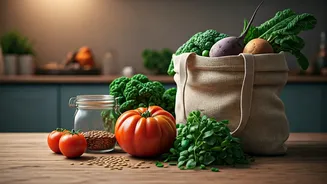
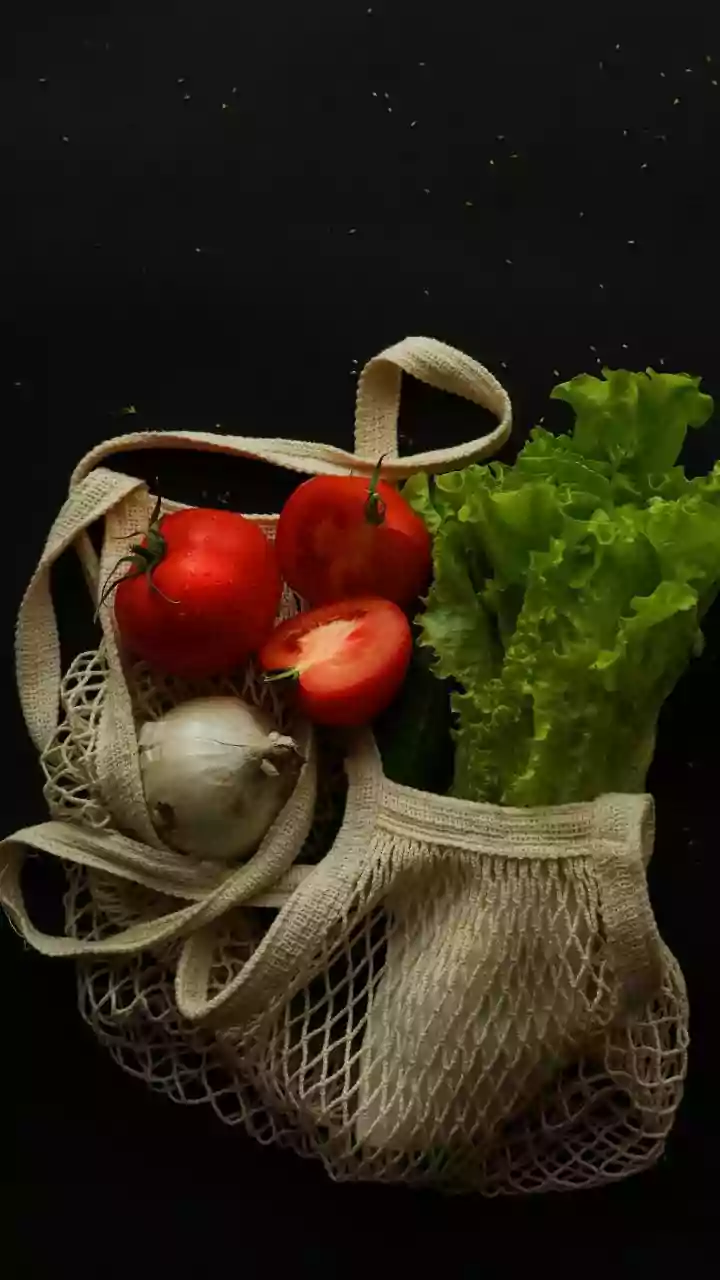
Our food system is wrapped in plastic. While it's nearly impossible to avoid it entirely, you can make simple choices to reduce it. Start with the low-hanging fruit: buy loose produce instead of the pre-bagged or plastic-wrapped versions. Bring your own reusable produce bags to the store. When you have a choice, opt for materials that are more easily recycled, like glass jars or aluminum cans, over plastic containers. Buy in bulk when it makes sense for your household, which reduces both packaging per ounce and often the cost. This isn't about achieving a zero-waste lifestyle overnight. It's about noticing the packaging on your food and making a slightly better choice when one is available and convenient. Each plastic clamshell you leave at the store is a small but meaningful victory.