




What Exactly Is Kokum?
If you've never heard of kokum, you're not alone. This unique fruit is a staple in the coastal cuisines of western and southern India, but it's still a hidden gem in most of the U.S. A relative of the mangosteen, the small, purple fruit (Garcinia indica)
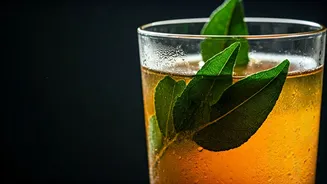
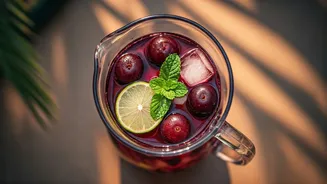
is rarely eaten fresh. Instead, its deep purple rind is harvested, dried, and used as a souring agent, much like tamarind. The flavor is where kokum truly shines. It isn't sweet in the way of berries or stone fruit. Instead, it delivers a bright, tart, and slightly briny acidity with a faint, almost floral aroma. When steeped in water, it releases a stunning, jewel-toned ruby or magenta color, making any drink it touches visually spectacular. Think of it as a more complex, less aggressive alternative to cranberry, with an earthy depth that keeps it from being one-note.
A Summer Drink Game-Changer
The primary reason to embrace kokum is its ability to create deeply refreshing drinks that don't rely on a mountain of sugar. In a world of cloying sodas and juice-heavy mocktails, kokum provides a welcome sourness that quenches thirst and cleanses the palate. In Ayurvedic tradition, it's considered a cooling ingredient, prized for its use in hot weather to combat fatigue and dehydration—a traditional belief that speaks to its refreshing properties. Beyond that, its complex flavor profile instantly elevates a simple glass of sparkling water into something that feels intentional and crafted. It adds the kind of tartness and structure you'd expect from a shrub or a high-end craft cocktail ingredient, making your non-alcoholic options feel just as special as their spirited counterparts. It's the perfect way to build a grown-up beverage without the buzz.
How to Find and Use Kokum
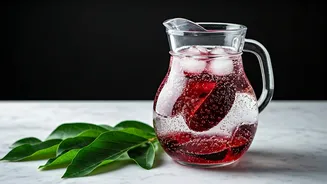
You’re unlikely to find fresh kokum at your local supermarket, but it’s readily available in two main forms at most Indian grocery stores or online specialty food retailers. 1. **Dried Kokum Rind:** This is the most traditional form. It looks like dark, curled pieces of purple-black fruit skin. To use it, you simply soak a few pieces in hot water for 10–15 minutes. The water will turn a beautiful ruby red and absorb the fruit's tart flavor. You can then strain this liquid extract and use it as the base for your drinks. The leftover rinds can be used in curries or dals as a souring agent. 2. **Kokum Concentrate or Syrup (Sharbat):** This is the easiest entry point. Sold in bottles, this is a ready-to-use liquid that can be mixed directly into drinks. Be sure to read the label—some syrups, often called *sharbat*, contain added sugar and spices like cumin. A pure concentrate, sometimes labeled *kokum agal*, will give you more control over the sweetness and flavor of your final mocktail.
Your First Mocktail: The Kokum Sparkler
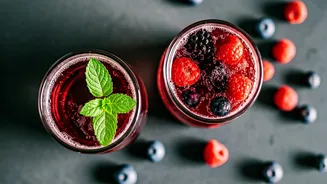
Ready to try it? This simple recipe is the perfect introduction to kokum’s unique taste. It’s bubbly, refreshing, and comes together in seconds. **Ingredients:** * 1 oz (2 tablespoons) kokum syrup or homemade kokum extract * 5–6 oz sparkling water or club soda, chilled * ½ oz fresh lime juice (optional, for extra brightness) * A sprig of fresh mint for garnish * Ice **Instructions:** Fill a tall glass (like a Collins or highball) with ice. Pour in the kokum syrup and the optional lime juice. Slowly top with the chilled sparkling water, which will create a beautiful layered effect. Give it a gentle stir to combine, then garnish with a fresh sprig of mint before serving. Adjust the amount of kokum to your preferred level of tartness.
Get Creative with Flavor Pairings
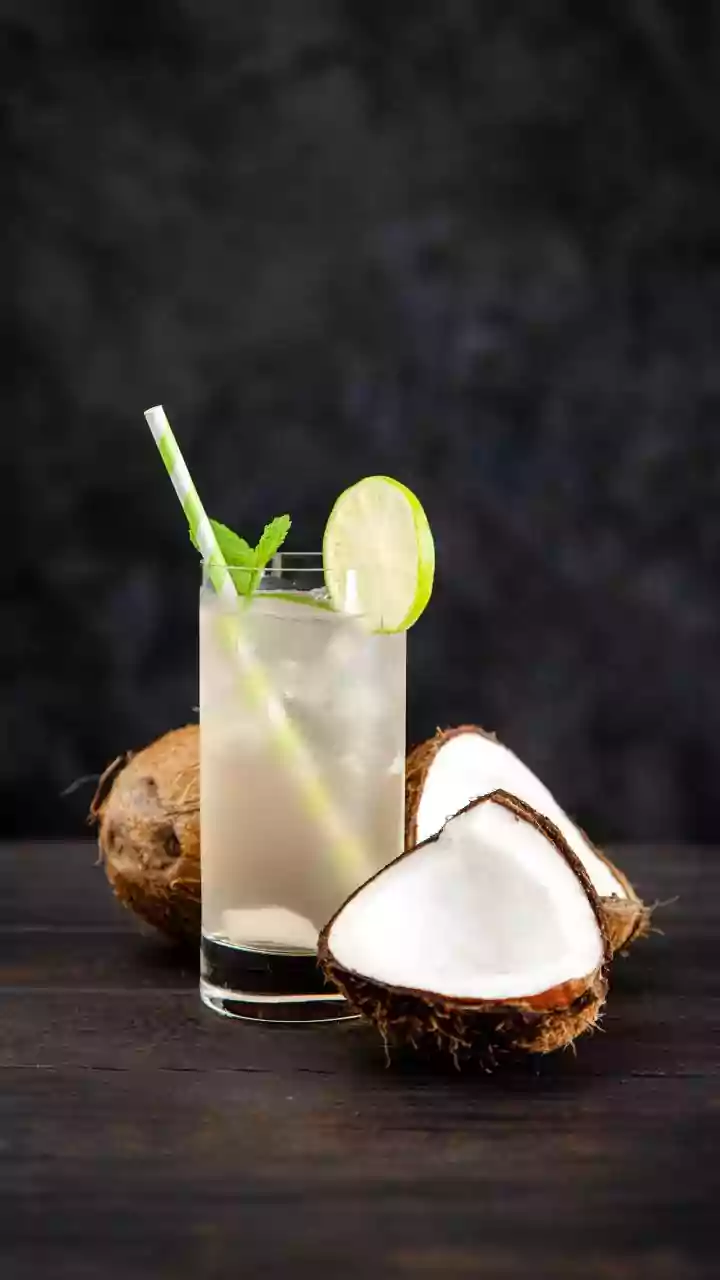
Once you’ve mastered the basic sparkler, kokum becomes a versatile player in your beverage arsenal. Its tart, slightly savory profile pairs wonderfully with a variety of other ingredients. Try muddling fresh ginger at the bottom of the glass before adding the kokum for a spicy kick. For a more tropical vibe, swap the sparkling water with coconut water. A pinch of black salt or roasted cumin powder can bring out its savory side, echoing the flavors of traditional Indian drinks like *solkadhi*. It also works beautifully with botanical notes from non-alcoholic spirits, especially those with juniper or floral profiles.