

Why June is the Perfect Moment
Planting perennials in late spring and early summer often feels counterintuitive. Shouldn't everything be in the ground by Memorial Day? Not for jasmine. June offers a 'sweet spot' for planting. The soil has fully warmed up from the winter chill, which
encourages rapid root growth. Unlike the intense, often dry heat of July and August, June's conditions are typically milder, reducing the initial transplant shock on the young plant. By giving your jasmine a head start now, you allow it to spend the entire summer establishing a robust root system. This is critical for its long-term health and its ability to survive its first winter, whether it's a mild one in Zone 9 or a more challenging one in Zone 7. The long days and abundant sunshine provide the energy it needs to settle in and thrive before the growing season ends.
Choose Your Champion: True vs. False Jasmine
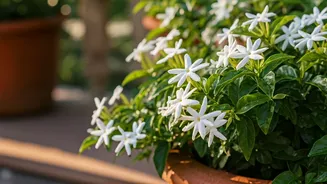
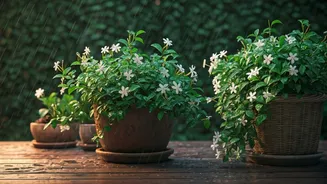
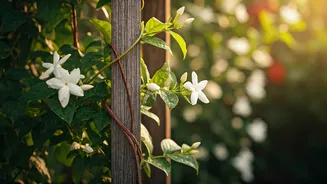
Before you head to the nursery, it’s important to know what you’re looking for, as 'jasmine' can refer to a few different plants. The two main categories you'll encounter are true jasmines (from the genus *Jasminum*) and false jasmines. **True Jasmines (*Jasminum*)**: These are the real deal, part of the olive family. Common White Jasmine (*Jasminum officinale*) is a classic vining choice, celebrated for its intensely fragrant white flowers. It's hardy in USDA Zones 7-10. Winter Jasmine (*Jasminum nudiflorum*) is a hardier, shrub-like variety (Zones 6-10) that produces unscented yellow flowers in late winter, offering a different kind of appeal. **False Jasmines**: The most popular plant in this category is Star Jasmine (*Trachelospermum jasminoides*). Despite its common name, it isn't a true jasmine but is prized for its similar qualities: glossy evergreen leaves, fragrant star-shaped white flowers, and a vigorous vining habit. It's an excellent, low-maintenance choice for gardeners in Zones 8-11 and is often used as a dense ground cover or to climb trellises and walls.
Your Step-by-Step Planting Guide
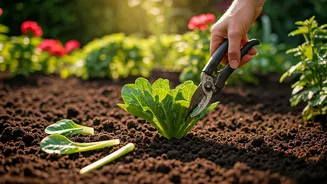
Once you've brought your new plant home, success is all about location and preparation. Jasmine isn't overly fussy, but getting these basics right will pay off for years. 1. **Find the Right Spot:** Most jasmine varieties thrive in full sun to partial shade. More sun generally means more flowers. If you're in a hot southern climate, a spot with morning sun and afternoon shade is ideal to protect it from scorching. For vining types, ensure it's near a structure it can climb, like a trellis, fence, or arbor. 2. **Prepare the Soil:** Jasmine prefers well-draining soil. If you have heavy clay, amend the area with compost or other organic matter to improve drainage. Good drainage is key to preventing root rot. 3. **Dig the Hole:** Dig a hole that is twice as wide as the nursery pot and just as deep. You want the roots to have plenty of loose soil to expand into. 4. **Plant and Backfill:** Gently remove the jasmine from its container and place it in the center of the hole. The top of the root ball should be level with the surrounding ground. Fill the hole back in with the amended soil, pressing down gently to remove air pockets. 5. **Water Thoroughly:** Give the new plant a deep, slow watering right after planting to help the soil settle around the roots. This is the most important watering it will receive.
Aftercare for a Fragrant Future
Your jasmine is in the ground—now what? The first year is about establishment. Water the plant regularly, about once a week, especially during dry spells. The goal is to keep the soil consistently moist but not waterlogged. A two-inch layer of mulch (like wood chips or shredded bark) around the base of the plant will help retain soil moisture and suppress weeds, but be sure to keep the mulch from touching the stem directly. For vining varieties, gently guide the new growth onto its support structure. You can use soft ties to help it get started. Don't worry about heavy pruning in the first year; just let it grow. Once established, most jasmines are fairly drought-tolerant and require minimal fuss, rewarding you with a cascade of scented blooms for summers to come.