




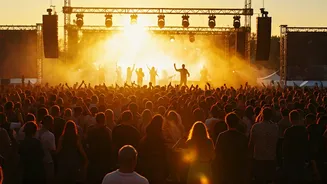
The Vibe Is the Destination
For decades, the American vacation was a noun: The Beach, The Mountains, The Big City. It was defined by a dot on a map. But a subtle yet significant shift is underway. A growing number of travelers are now planning their getaways around an adjective.
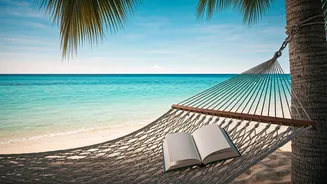
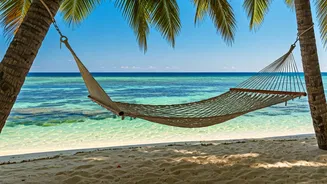
Instead of asking 'Where should we go?', they’re asking, 'How do we want to feel?' Welcome to the era of the 'mood vacation'—or as some in the travel industry call it, the 'vibe-cation.' This approach ditches the rigid, checklist-driven itinerary in favor of chasing a specific emotional state. The destination becomes secondary, chosen because it facilitates the desired mood, whether that’s 'cozy and disconnected,' 'vibrant and creative,' or 'serene and restorative.' It’s a move from geography to psychology, where the success of a trip is measured not by the number of sights seen, but by how well it delivered a feeling.
A Backlash to Burnout Culture
So, what’s driving this change? In a word: exhaustion. The post-pandemic world has left many Americans feeling overstimulated, overworked, and perpetually online. The pressure to perform extends even to our leisure time, with the 'perfectly curated' Instagram vacation becoming another source of stress. The meticulously planned trip to Rome, packed with 6 a.m. wake-up calls to beat the crowds, can leave you feeling like you need a vacation from your vacation.
The mood vacation is a direct rebellion against this. It’s an acknowledgment that time off should be genuinely restorative, not another project to manage. Instead of seeking external validation through photos of famous landmarks, travelers are seeking internal balance. This trend is particularly strong among Millennials and Gen Z, who are more inclined to prioritize mental wellness and are fluent in the language of 'vibes' and 'aesthetics.' They understand intuitively that the atmosphere of a place can be more important than its name recognition.
What Does a Mood Look Like?
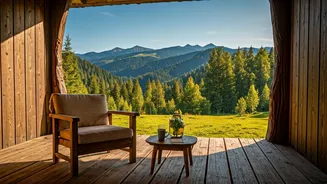
Planning for a mood means your search criteria change. A desire for 'quiet solitude' might lead you to a secluded cabin in rural Oregon or a minimalist desert retreat in West Texas—places that might not have made a traditional top-ten travel list. The goal isn't 'to see the desert,' but 'to feel a sense of peace and smallness under a vast sky.'
A craving for 'spontaneous fun' could mean booking a trip to a second-tier city like Richmond, Virginia, or Kansas City, Missouri, known for their walkable neighborhoods, live music scenes, and great food, rather than a sprawling metropolis like New York. The focus is on the experience: stumbling upon a great dive bar or spending an afternoon in a park, not queuing for a famous museum.
Even a classic beach trip gets a mood-based makeover. Instead of just searching 'Florida beaches,' you might search for 'calm, family-friendly beach town' or 'lively beach with nightlife,' letting the desired energy guide you to a place like Anna Maria Island for the former or Miami's South Beach for the latter.
How to Plan for a Feeling
Embracing mood-based travel requires a mental shift. Start by brainstorming feelings, not places. Do you need to unplug and recharge? Feel inspired and creative? Reconnect with your partner or friends? Once you have your core mood, use those keywords in your search. Travel sites and social media are adapting, with searches for 'unplugged getaway' or 'cozy cabin' yielding better results than ever.
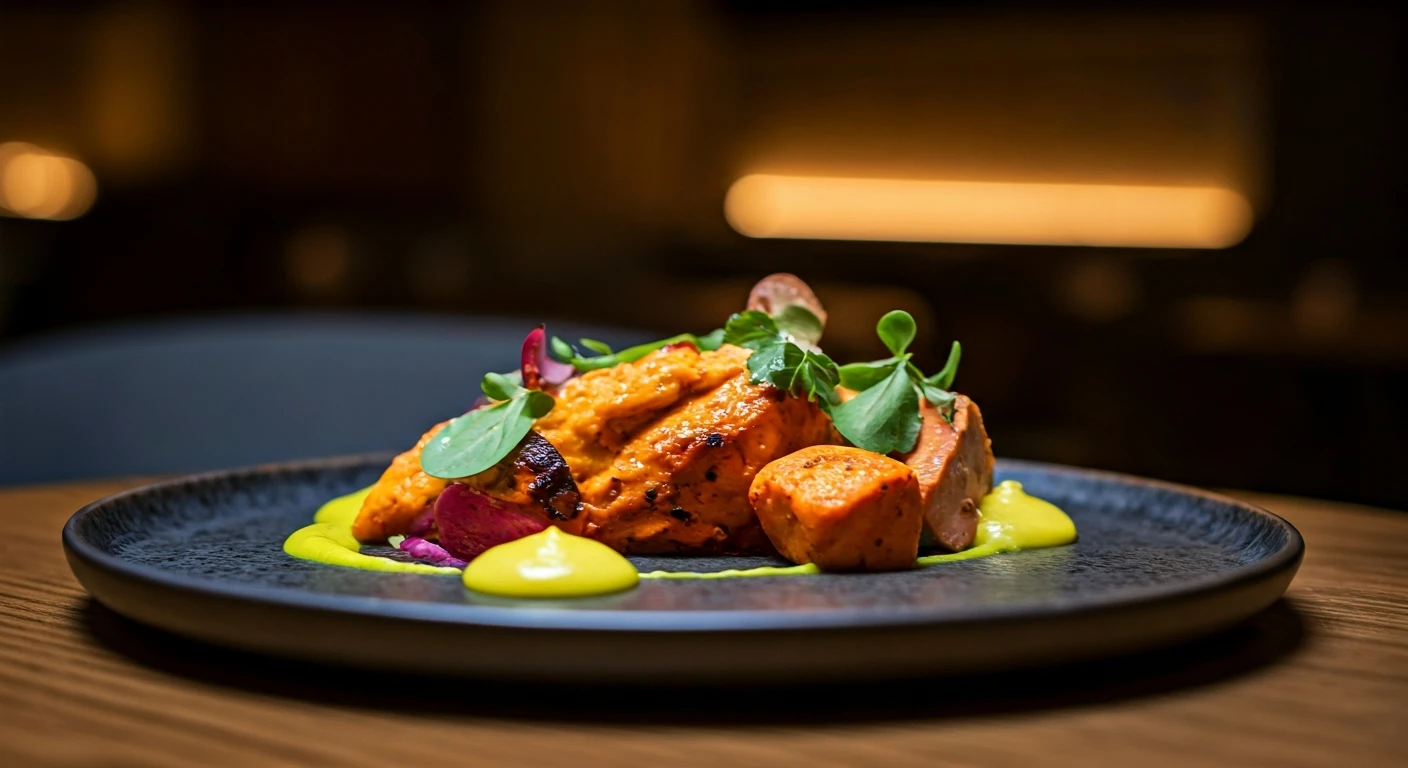
Look at photos and reviews with an eye for atmosphere. Does the rental property have comfortable seating and a fireplace for a 'cozy' vibe? Does the neighborhood have bustling cafes and street art for a 'creative' feel? Prioritize amenities and experiences that support your desired mood. This might mean choosing a hotel with a great pool and room service over one that’s merely close to the main attractions. It’s about building an environment that nurtures the feeling you’re chasing, letting the destination simply be the beautiful backdrop.