

The Old Guard of Comfort
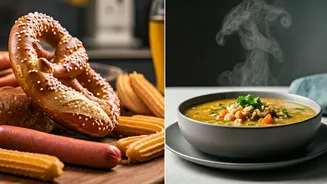
For generations, American comfort food was synonymous with heft. Think meatloaf with a thick gravy, macaroni and cheese so dense it could be sliced like a cake, or a pot roast that had simmered for hours, promising a satisfying, belly-filling meal. These
dishes were born from a different era—one of more physical labor, less sedentary work, and a culinary tradition that equated weight with value and love. This food was designed to fortify and sustain. It was a delicious, edible anchor in a world that felt more predictable. A heavy meal was a reward, a Sunday-dinner staple, a way to mark the end of a long week. The subsequent need for a nap was not a bug; it was a feature. But our modern lives have fundamentally changed the equation. We work at desks, not on farms, and our days are often a marathon of mental, not physical, exertion. The post-meal slump that once felt like a luxury now feels like a liability.
The Rise of the Lighter Touch
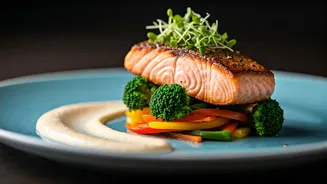
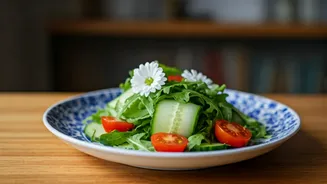
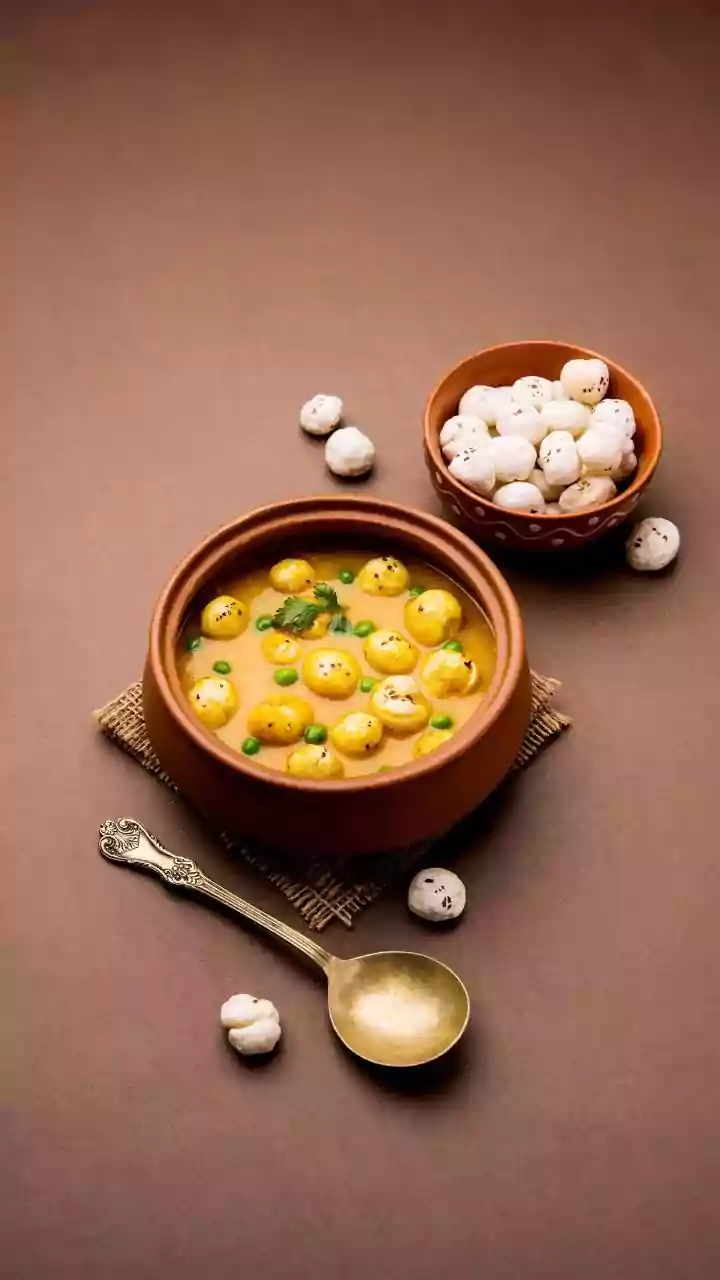
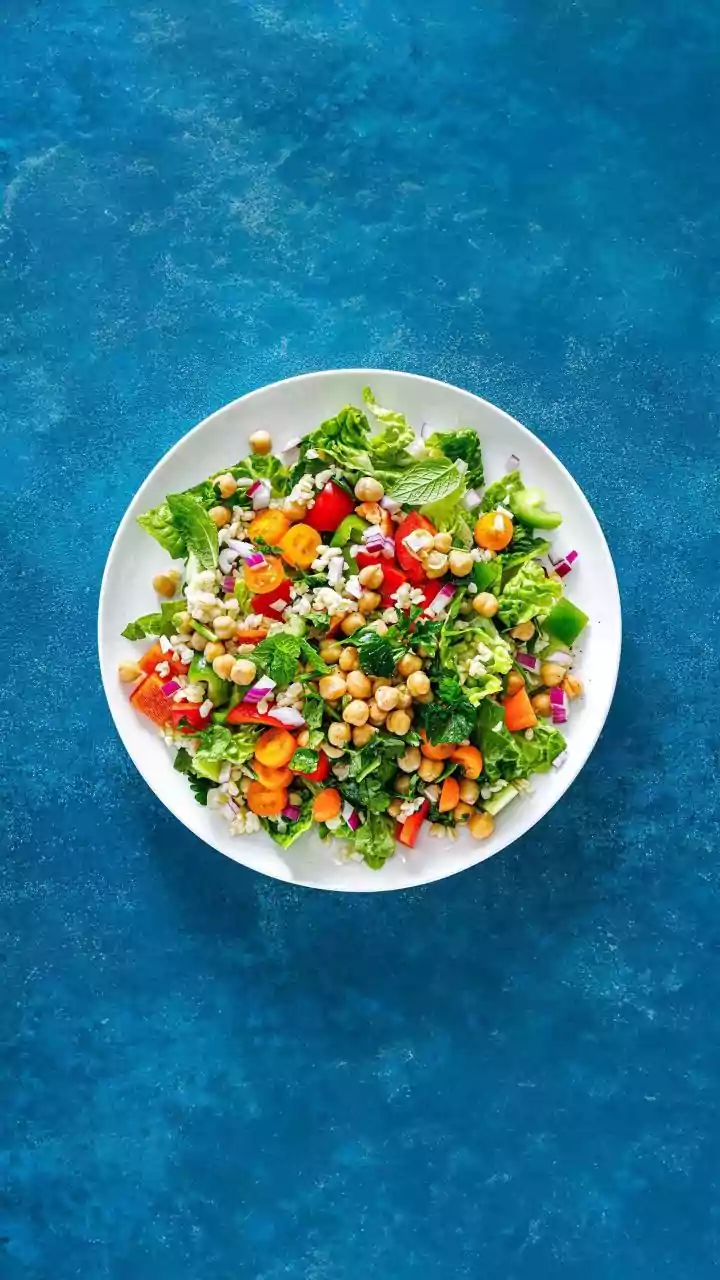
The new comfort food isn’t about deprivation; it’s about a redefinition of satisfaction. “Light comfort” is the art of feeling soothed, nourished, and cared for without feeling weighed down. It’s the warm hug of a meal, not the suffocating bear hug. This movement prioritizes flavor, texture, and warmth over sheer caloric density. What does this look like on a plate? It’s a deeply savory mushroom broth with silky tofu and wilted greens. It’s a simple bowl of pasta tossed with good olive oil, garlic, and a sprinkle of parmesan. It’s a piece of perfectly toasted sourdough with high-quality butter and flaky salt. It might even be a creamy, roasted vegetable soup or a simple baked sweet potato. These meals deliver on the promise of comfort—they are warm, easy to eat, and evoke a sense of well-being—but they leave you feeling energized and clear-headed, not ready for hibernation.
It’s About Time and Energy
This shift isn’t just about our waistlines; it’s about our schedules and our sanity. The multi-hour braise or the complex, layered casserole requires a significant investment of time and energy—two resources that feel increasingly scarce. Light comfort, by contrast, is often beautifully simple to prepare. A brothy soup can come together in 20 minutes. A simple pasta is a weeknight miracle. Even the viral “girl dinner”—a curated plate of snacks like cheese, fruit, and crackers—is a form of light comfort, prioritizing ease and personal satisfaction over performative cooking. Cooking a simple, nourishing meal is an act of self-care that feels achievable on a Tuesday night. It reduces the cognitive load of meal planning and the physical drain of a lengthy cleanup. In a culture grappling with decision fatigue, the elegant simplicity of a one-pot, one-bowl meal is a powerful form of relief. The comfort comes not just from eating the food, but from the ease of its creation.
Finding Your Own Light Comfort
Embracing this trend doesn’t mean abandoning your grandmother’s recipes. There will always be a place for the celebratory feast and the nostalgic, heavy-hitting classics. Instead, it’s about expanding your definition of what can bring you comfort on a daily basis. It’s about listening to what your body and mind actually need, which is often less about being stuffed and more about being genuinely nourished and restored. So next time you’re feeling depleted, instead of automatically reaching for the takeout that will leave you sluggish, consider the alternatives. Could a warm bowl of congee, a simple tomato soup with a grilled cheese, or even a mug of hot broth do the trick? You might find that the most profound comfort comes from a meal that lifts you up, rather than holds you down.