



Your Gut Is a Thriving Ecosystem
Think of your gut not as a simple digestive tube, but as a bustling rainforest teeming with trillions of microorganisms. This community, known as your gut microbiome, is made up of thousands of different species of bacteria, fungi, and other microbes.
A healthy, resilient microbiome is a diverse one. Just as a rainforest with many species of plants and animals is more robust than a monoculture farm, a gut with a wide array of microbes is better equipped to perform its essential functions—from digesting food and producing vitamins to supporting your immune system and even influencing your mood.
Why Variety Is the Magic Ingredient
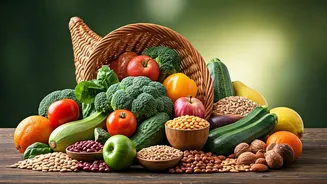
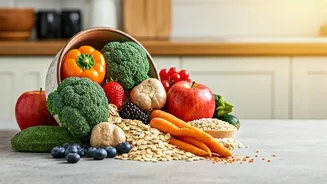
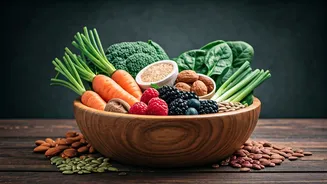
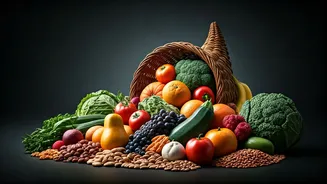
Different microbes have different food preferences. Some thrive on the fiber from oats, while others prefer the polyphenols found in berries or the complex starches in lentils. When you eat the same few foods day after day, you’re only feeding a small fraction of your microbial population. The unfed microbes can dwindle, reducing the overall diversity of your gut ecosystem. By eating a wide variety of plant-based foods, you provide a full-spectrum buffet for your gut bacteria. This encourages a more diverse and balanced community, where beneficial microbes can flourish and keep potentially harmful ones in check. This is a foundational principle that no single supplement can replicate.
Aim for 30, But Don't Panic
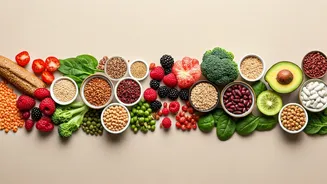
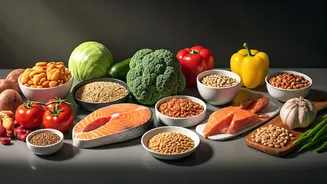
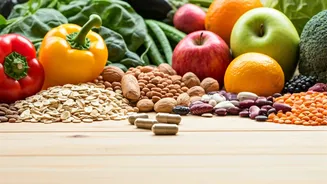
A compelling body of research, including work from the American Gut Project, suggests that people who eat 30 or more different types of plants per week have a more diverse gut microbiome than those who eat 10 or fewer. Before you get intimidated, remember what “plant” means in this context. It’s not just vegetables. It includes fruits, whole grains, legumes (beans, lentils), nuts, seeds, herbs, and spices. Each one counts as one point. A morning oatmeal with berries, walnuts, and flax seeds could already be four points. That can of mixed beans you add to a chili counts as several. The goal isn't immediate perfection but gradual expansion.
Simple Swaps for Big Gains
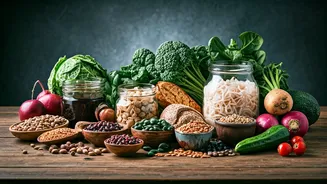
You don't need a radical diet overhaul. The best approach is to make small, sustainable changes that add variety without adding stress. Start here: - **Upgrade Your Grains:** Instead of just wheat bread, try a seeded whole-grain loaf. Swap white rice for quinoa, farro, or a wild rice blend. - **Diversify Your Produce:** If you always buy Gala apples, try a Fuji or a pear next time. Instead of just spinach, grab a bag of mixed greens. The freezer aisle is your friend—a bag of mixed berries or frozen vegetable medley is an easy way to get variety. - **Embrace Nuts and Seeds:** Sprinkle a tablespoon of mixed seeds (chia, flax, sunflower) over yogurt, salads, or oatmeal. A small handful of mixed nuts is a great snack. - **Use Herbs Liberally:** Fresh herbs like parsley, cilantro, and basil aren't just garnish; they are nutrient-dense plants that count toward your goal. Add them generously to your meals. - **Lean on Legumes:** Add a can of chickpeas to your salad, use lentils in a soup, or make a simple black bean dip. They are inexpensive, fiber-packed powerhouses.
Focus on Adding, Not Subtracting
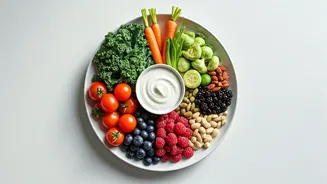
The beauty of this approach is its positive framing. Instead of focusing on what to eliminate, you focus on what to add. This mindset shift can make healthy eating feel like an adventure rather than a chore. Every meal is an opportunity to introduce something new and beneficial for your gut microbes. Don't worry about tracking every single bite. Simply make a conscious effort to color your plate with different foods throughout the week. Over time, these small additions will compound, fundamentally nourishing your internal ecosystem from the ground up.