








A City That Breathes After Dark
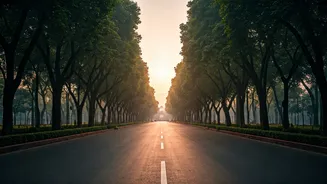
Imagine stepping out into a night that feels like an open oven. The asphalt still radiates the day’s brutal sun, and the air is a soupy mix of dust, exhaust, and humidity. Logically, the streets should be empty, save for a few souls hurrying from one
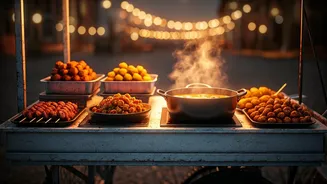
air-conditioned box to another. But this is Delhi, a city that operates on a logic all its own. As darkness falls, a different kind of energy begins to build. It starts with the clatter of steel pots and the hiss of hot oil. It’s the sound of the city’s legendary late-night food scene waking up. In places like Chandni Chowk, the historic heart of Old Delhi, or the bustling lanes near Jama Masjid, the streets transform. Makeshift stalls, many just a cart with a single gas burner, illuminate the sidewalks with the glow of fluorescent bulbs powered by humming generators. The oppressive silence of the heat is replaced by a symphony of sounds: the rhythmic chopping of onions, the sizzle of batter hitting a hot griddle, the shouts of vendors, and the contented murmur of crowds gathering for their nocturnal feast.
The Flavors That Defy the Heat
The menu on these sweltering nights is a masterclass in culinary defiance. There are, of course, the classics. Smoky, succulent kebabs—marinated mutton and chicken—are pulled from skewers straight off the coals, their spicy aroma cutting through the thick air. At another stall, a vendor expertly flips paper-thin roomali roti, or “handkerchief bread,” which is used to scoop up rich, hearty curries that seem to defy the weather. Nearby, a crowd might gather for parathas, flaky flatbreads stuffed with everything from spiced potatoes to cauliflower, fried to a golden crisp in pools of ghee. But the real genius lies in the balance. For every fiery dish, there’s a cooling counterpoint. Vendors sell tall glasses of lassi, a creamy yogurt drink, or tangy, mint-infused jal-jeera that offers a jolt of refreshment. The undisputed king of the cool-down, however, is kulfi. This dense, slow-melting Indian ice cream, often flavored with pistachio, cardamom, or mango, provides a moment of sweet, frozen bliss—a temporary truce with the relentless temperature.
More Than Just a Meal
For an American visitor, the scene can be bewildering. Why would anyone choose to stand on a hot sidewalk, sweating, to eat a plate of steaming food? The answer is that it’s rarely just about the food. In a city of staggering density, where private space is a luxury, the street becomes the communal living room. These late-night food gatherings are a social ritual, a cornerstone of the city's cultural fabric. Families, groups of friends, and couples on dates all congregate under the hazy orange glow of the streetlights. They share plates, swap stories, and participate in a collective experience that reinforces community bonds. Eating on the street is an act of reclaiming the city from the heat, of asserting that life, conversation, and joy will not be defeated by a number on a thermometer. It’s a shared, democratic experience where a university student can be standing next to a taxi driver, both enjoying the same perfect kebab.
An Enduring Habit in a Changing Climate
This tradition is not new, but it is being tested. As climate change brings more frequent and intense heatwaves to India, nights that fail to cool down are becoming the norm, not the exception. The 38-degree (100°F) night is moving from hyperbole to a recurring reality. This puts a strain on the vendors who work over hot stoves in already stifling conditions and on the patrons who brave the elements. Yet, the culture persists. This resilience isn't born of ignorance; it's a testament to how deeply ingrained this way of life is. The foodie energy of Delhi is not a fleeting trend; it’s an essential expression of the city’s soul. It has adapted for centuries, and it continues to adapt, one plate of chole bhature at a time.