


A Festival on the Roof of the World
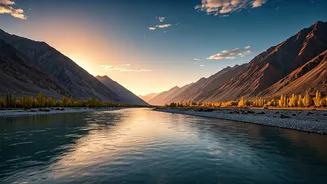
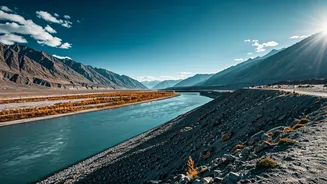
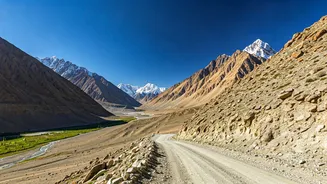
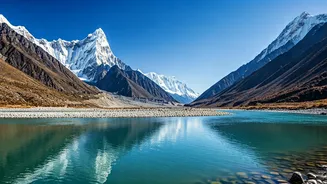
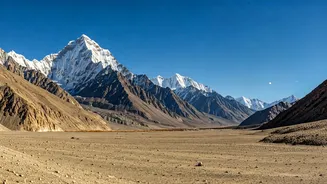
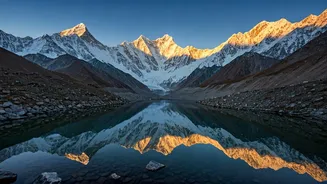
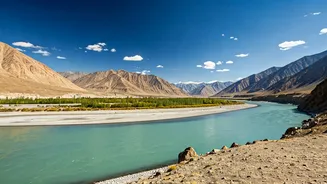
First, let’s set the scene. The Sindhu Darshan Festival unfolds each June in Ladakh, a high-altitude desert region in northern India often called “Little Tibet.” Held on the banks of the mighty Indus River near the town of Leh, the festival site itself
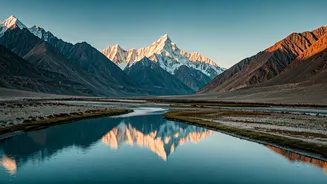
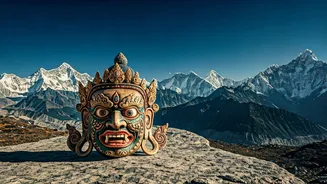
is breathtaking. At over 11,000 feet, the air is thin, the silence is profound, and the landscape is a stark canvas of barren mountains and vibrant monasteries. This setting isn't just a pretty backdrop; it's fundamental to the experience. The remoteness and raw beauty of the Himalayas naturally disconnect visitors from the noise of daily life, creating an immediate sense of stepping into a different, more contemplative world. The river, known as 'Sindhu' in Sanskrit, isn't just a body of water here; it's revered as the cradle of one of the world's oldest civilizations.
The River That Gave India Its Name
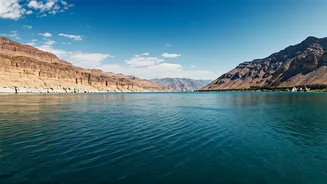
To understand the festival, you have to understand the river. The Indus, or Sindhu, is one of the most significant rivers in South Asia. It originates in Tibet, flows through Ladakh, and continues down through Pakistan to the Arabian Sea. The very name “India” is derived from “Indus.” For centuries, it has been a symbol of life, continuity, and cultural identity. The festival was conceived to honor this legacy and re-establish the river as a symbol of communal harmony and national unity for all Indians, regardless of their faith or regional background. It's a conscious effort to celebrate a shared natural heritage that transcends modern borders and divisions.
A Modern Tradition with a Purpose
Unlike ancient religious fairs, the Sindhu Darshan Festival is a relatively modern invention. It was first held in 1997, born from a desire to promote patriotism and unity. The idea was to bring people from every corner of India to the shores of the river that is so central to their nation's identity. Participants are encouraged to bring water from rivers in their own home states. In a powerful ritual, these waters are mingled with the Indus, symbolizing the merging of India's diverse cultures into a single, harmonious whole. This act is the heart of the festival’s “peace” mission: a tangible, visual representation of unity in diversity.
What Actually Happens There?
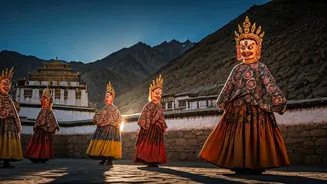
So, what does this “peace retreat” look like in practice? The three-day event is a vibrant blend of solemn ritual and joyful celebration. The first day is marked by a reception ceremony for the participants, followed by the water-mingling ritual and prayers led by a diverse group of spiritual leaders. The following days are filled with cultural performances. Troupes from various Indian states showcase their traditional music, dance, and art, turning the riverbank into a kaleidoscope of color and sound. It’s not a silent, meditative retreat in the traditional sense. Instead, the peace it fosters comes from a shared experience of cultural appreciation and collective goodwill. It's a loud, vibrant, and deeply moving expression of harmony.
More Than a Festival, a Feeling
Ultimately, the Sindhu Darshan Festival earns its reputation as a peace retreat by combining three powerful elements: place, purpose, and people. The awe-inspiring landscape of Ladakh provides the space for reflection. The clear purpose of celebrating unity and honoring the Sindhu River gives the event a profound meaning beyond simple entertainment. Finally, the gathering of people from countless different backgrounds, all sharing in this common goal, creates an atmosphere of acceptance and camaraderie. Attendees leave not just with photos of stunning mountains, but with a renewed sense of connection—to the land, to the nation, and to each other. It’s a reminder that peace can be found not only in silence but also in a shared, joyful noise.